


 Intel Emerges as Key Contender in Apple’s Chip Manufacturing Strategy Shift
  Strategy Hints at Bitcoin Sales to Cover Dividends After Massive Q1 Loss
  AMD Q1 Earnings Surge on AI Demand, Stock Jumps After Strong Guidance
  Arm Stock Drops Despite Strong AI Chip Demand and Earnings Beat
  Infineon Raises 2026 Outlook as AI Data Center Chip Demand Surges
  Pinterest Stock Surges After Strong Q1 2026 Earnings Beat Expectations
  Apple Explores Intel and Samsung Partnerships to Diversify Chip Supply Chain
  Hantavirus Cruise Ship Outbreak Triggers Global Health Alert
  Continental AG Shares Jump After Q1 Profit Beats Expectations
  Hua Hong Semiconductor Stock Surges to Multi-Year High Amid AI Boom
  Agentic AI Boom to Drive Massive Growth in CPU Market, UBS Says
  BMW Keeps 2026 Outlook Despite 25% Profit Drop Amid Tariff Pressure
  Philips Reaffirms 2026 Outlook After Strong Q1 Sales and Margin Beat
  Samsung Surpasses $1 Trillion Market Cap Amid AI Chip Boom and Apple Partnership Talks
  Volvo Car Sales Drop 10% in Early 2026 Despite Growth in Electric Vehicles
  Lufthansa Q1 Loss Narrows as Strong Summer Travel Demand Boosts Outlook
  Palantir Reports Record Growth, Raises 2026 Revenue Outlook Above Expectations


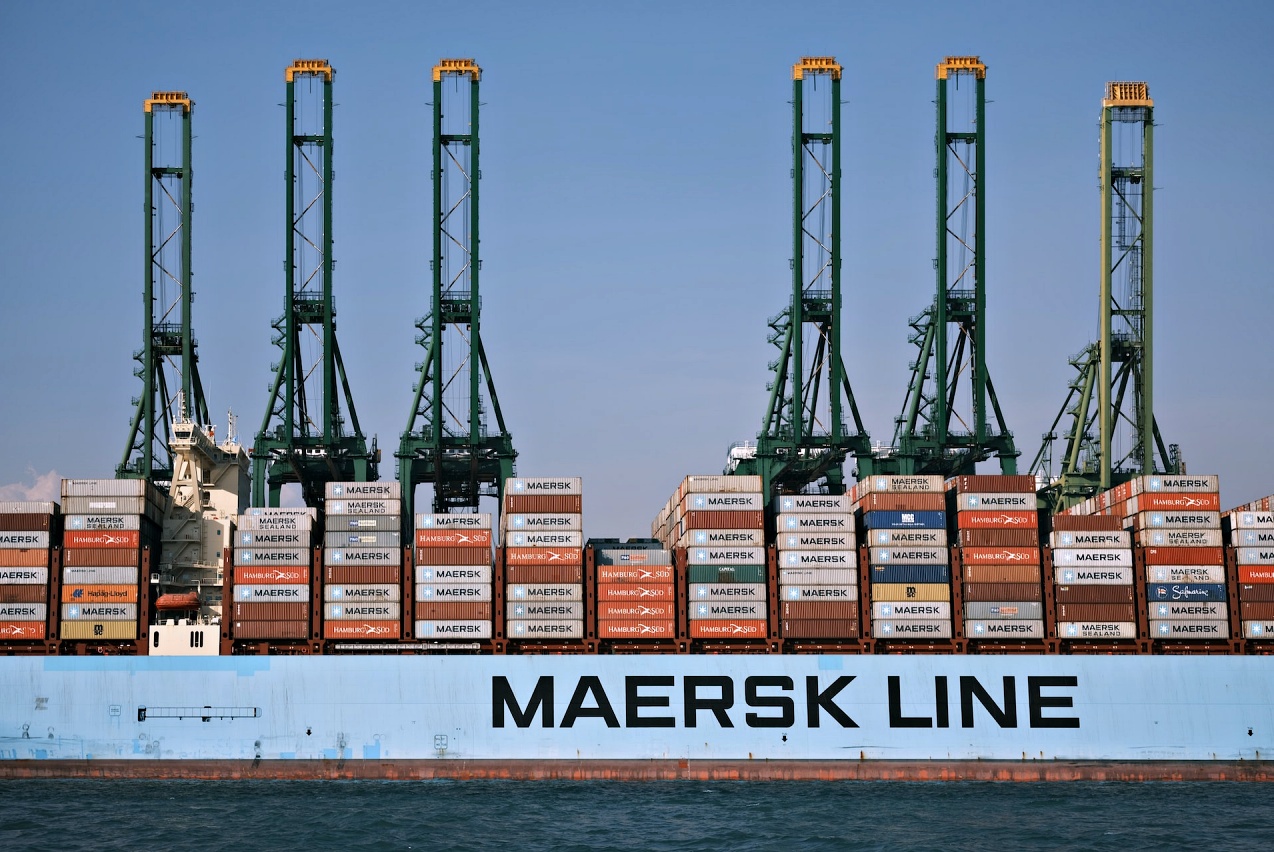
Shipping giant Maersk posted stronger-than-expected first-quarter earnings but maintained its full-year forecast, warning that rising costs linked to the Iran conflict are creating uncertainty for global freight markets. Despite the earnings beat, Maersk shares fell nearly 3% in Copenhagen trading as investors weighed concerns over freight rates and global shipping demand.
The Danish container shipping company reported EBITDA of $1.73 billion for the January-to-March period, surpassing analyst expectations of $1.66 billion. However, the figure remained significantly lower than the $2.71 billion recorded during the same quarter last year. The decline reflects ongoing pressure from excess vessel capacity and softer freight rates earlier in the quarter.
Global shipping conditions shifted rapidly toward the end of the period as tensions in the Middle East intensified. Iran’s closure of the Strait of Hormuz disrupted commercial shipping routes, forcing carriers to reroute vessels and absorb higher fuel and operating expenses. The development has added fresh volatility to the container shipping industry and raised concerns about supply chain disruptions.
Maersk reaffirmed its forecast for global container volume growth of 2% to 4% in 2026, citing resilient consumer demand despite geopolitical uncertainty. The company warned that higher energy prices and trade limitations in the Upper Gulf region could weigh on global trade growth, particularly as the region accounted for roughly 6% of global container trade in 2025.
Analysts at Morgan Stanley said Maersk could continue benefiting from shipping disruptions in the near term, but noted that long-term market fundamentals remain weak due to oversupply in the shipping sector. They highlighted that freight rates on key European trade routes have already erased much of the gains triggered by the Iran conflict.
The analysts also pointed to continued vessel expansion across the industry, including Maersk’s order of eight new ships earlier this year, as a factor likely to pressure freight rates moving forward. However, potential bunker fuel shortages remain a risk that could tighten shipping capacity if vessel idling accelerates.







