


 Asian Stocks End Strong Quarter as Dollar Surges, Yen Hits 40-Year Low Ahead of US Jobs Data
  France Keeps Top Health Alert as Officials Brace for Another Heatwave
  U.S. Eases Iran Team Travel Restrictions Ahead of Seattle World Cup Match
  US-Iran De-Escalation Shifts Washington’s Focus to AI Regulation and Crypto Legislation
  NTSB Investigates Boston Logan Airport Near-Miss Between Delta and American Airlines Jets
  US Seizes Nearly 400 Illegal World Cup Streaming Domains in Global Anti-Piracy Crackdown
  China Factory PMI Seen Returning to Growth in June as AI Export Demand Supports Economy
  Trump Administration Delays DeepSeek and CXMT Trade Blacklist Designations Amid U.S.-China Tensions
  Serbia President Aleksandar Vucic to Resign, Calls Early Elections After Months of Protests
  Oil Prices Slip as U.S.-Iran Peace Talks and Strait of Hormuz Risks Keep Markets on Edge
  Taiwan Coast Guard Officer Finds Strength in Faith as China Increases Pressure in Taiwan Strait
  US Strikes Iran Again After Strait of Hormuz Tanker Attack Escalates Ceasefire Tensions
  Israeli Airstrike Kills Three in Central Gaza Despite Ceasefire
  RBA Minutes Signal Australia Central Bank Remains Ready to Raise Interest Rates if Inflation Persists
  Asian Currencies Stay Range-Bound as Investors Eye China Data, RBNZ Outlook and U.S.-Iran Ceasefire
  Trump Threatens 100% Tariffs on Countries Imposing Digital Services Taxes on U.S. Tech Firms
  Despite its best efforts, Iran won’t be able to toll the Strait of Hormuz. Here’s why


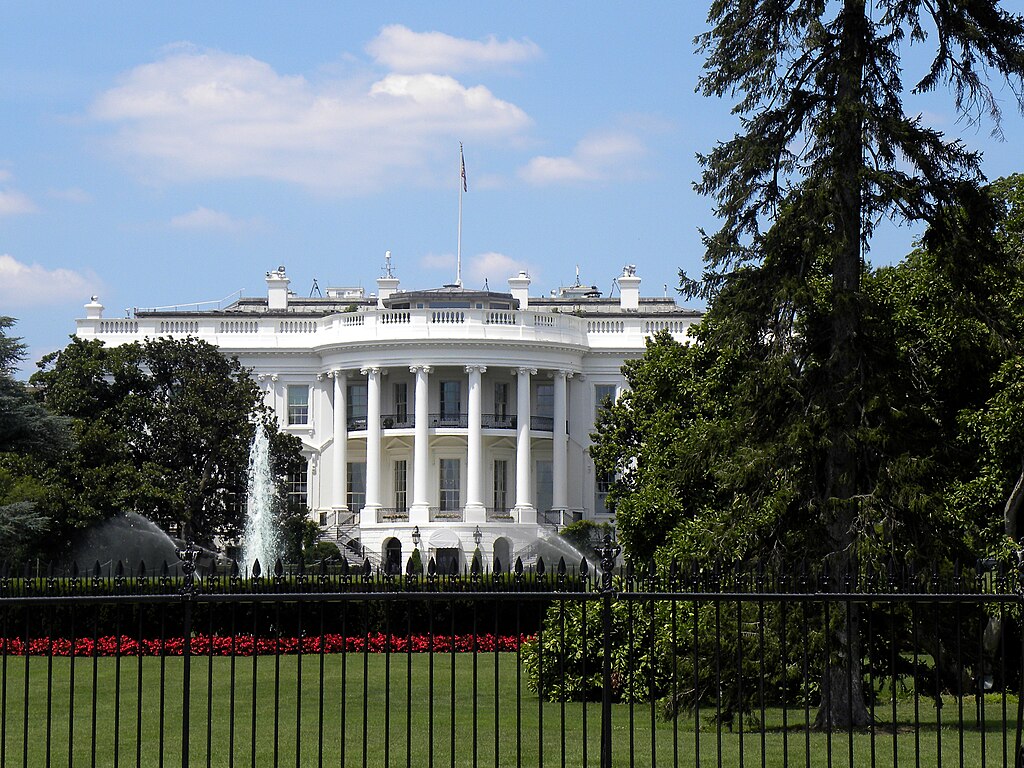
The White House issued an internal warning to staff on March 24, cautioning employees against exploiting their government positions to gain an unfair advantage in financial futures markets. The directive came just one day after President Donald Trump ordered a temporary pause on certain strikes targeting Iran's energy infrastructure — a decision that triggered a dramatic crash in global oil prices.
The timing of the warning has drawn significant attention, as it follows a pattern of unusually well-timed trades that appear to anticipate major policy announcements. According to exchange data reviewed by Reuters, an unidentified trader or group of traders placed approximately $500 million worth of bets on Brent and WTI crude oil futures within a single minute — just before Trump announced a five-day delay on March 23 in planned strikes against Iranian oil facilities. Oil prices subsequently fell by roughly 15%, potentially generating enormous profits for whoever executed those trades.
Financial watchdogs and policy experts have raised serious concerns about whether confidential government information may have been leaked ahead of these key decisions, enabling opportunistic trading that could constitute illegal insider activity. The pattern has become difficult to ignore, with multiple high-stakes market moves appearing to foreshadow significant White House announcements.
White House spokesman Davis Ingle addressed the issue directly, stating that while Trump remains committed to fostering a strong and prosperous stock market for all Americans, government officials and members of Congress must be strictly prohibited from using non-public information for personal financial gain. The staff-wide email, reportedly distributed by the White House management office, reinforces existing legal and ethical boundaries surrounding the use of privileged information in financial markets.
The situation has reignited broader calls for stronger enforcement of insider trading laws as they apply to government officials, with growing bipartisan pressure to ensure accountability and transparency at the highest levels of power.







