


 SK Hynix Shares Fall as Workers Reject Wage Deal
  Peru Court Frees Former President Ollanta Humala After Conviction Overturned
  New Zealand Labour Backs Social Media Ban for Under-16s
  U.S. Probes Apex Logistics Over Nvidia AI Chip Shipments to China
  Nvidia Revenue Soars 106% as AI Demand Hits ‘Inflection Point’
  Judge Rejects Minnesota Bid to Force ICE Agent Extradition
  Iran Allows Iraqi Oil Tankers Through Strait of Hormuz
  Jefferies Names AMEC Top China Semiconductor Equipment Pick
  Sun Pharma Wins U.S. Appeal in Pfizer Lipitor Antitrust Case
  Meta Agrees to $18 Billion Settlement, Tightens Teen Social Media Rules
  Tennessee Plans to Rename Nashville Airport After Dolly Parton
  US Revokes Over 175,000 Visas Under Trump Immigration Crackdown
  Trump Buys SpaceX Shares After Record IPO
  US Supreme Court Lets $655.5 Million Judgment Against Palestinian Authorities Stand During Appeal
  Salesforce Shares Surge as AI Demand Powers Q2 Earnings Beat
  U.S. Disrupts China-Linked Hacking Campaign Targeting Government Agencies
  Trump Escalates Canada Trade War With 50% Tariffs


 Add as a preferred source on Google
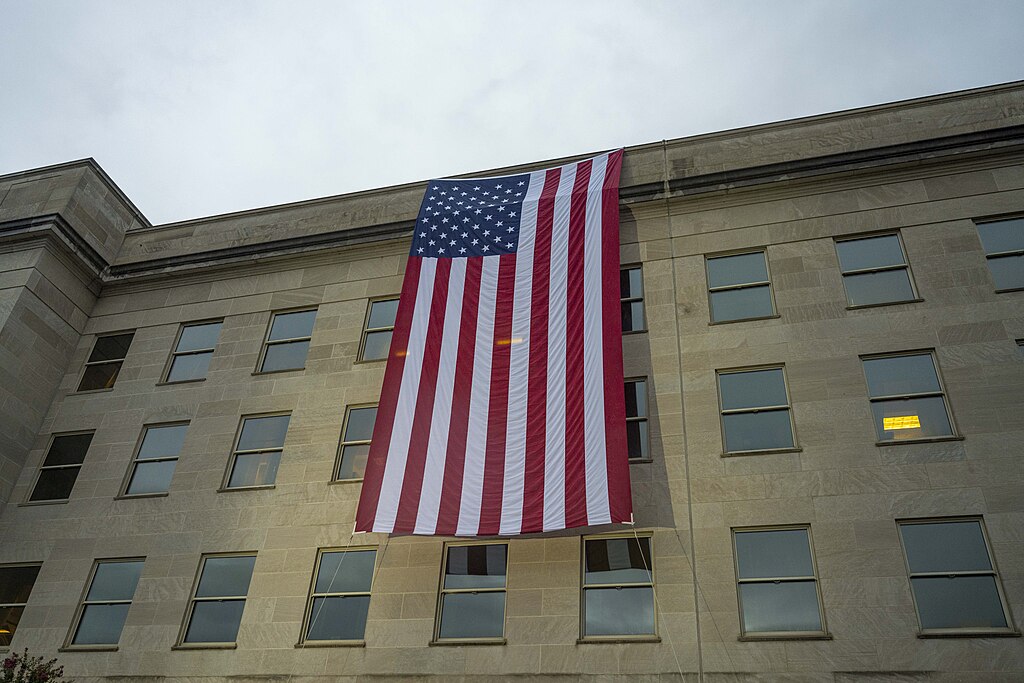
A federal appeals court in Washington, D.C., has refused to halt the Pentagon's national security blacklisting of AI company Anthropic, delivering a temporary win for the Trump administration. The ruling comes as another appeals court reached the opposite conclusion in a separate but related legal challenge filed by the same company.
Anthropic, the company behind the widely used Claude AI assistant, argues that Defense Secretary Pete Hegseth exceeded his authority when he labeled the firm a national security supply-chain risk. The designation followed Anthropic's refusal to remove safety guardrails from its AI products, effectively barring it from Pentagon contracts and potentially triggering a broader government-wide blacklist.
Company executives warn the move could cost Anthropic billions in lost revenue and lasting reputational damage. Despite the D.C. Circuit Court's denial of a pause on the designation, an Anthropic spokesperson confirmed the company remains confident the courts will ultimately rule the designation unlawful.
Acting Attorney General Todd Blanche praised the ruling, framing it as a victory for military readiness and presidential authority over defense operations.
The dispute stems from Anthropic's refusal to allow Claude to be used for military surveillance or autonomous weapons systems, citing safety and ethical concerns. Hegseth invoked two separate laws to issue the designations, and Anthropic is challenging both. A California federal judge previously blocked one of the orders on March 26, ruling that the Pentagon appeared to have unlawfully retaliated against Anthropic for its AI safety stance.
In its legal filings, Anthropic claims the government violated its First Amendment free speech rights by penalizing the company for its views on AI safety, and its Fifth Amendment due process rights by denying it a chance to contest the designation. The Justice Department counters that its decision was driven by contractual disagreements, not ideology.
The two cases are being heard under different laws, with the D.C. case carrying broader implications for civilian government contracts.







