


 Oil Prices Rise as US-Iran Tensions Threaten Strait of Hormuz Oil Shipments
  World Bank Approves $1.1 Billion Emergency Funding for Bangladesh Amid Food and Energy Price Pressures
  Gold Prices Drop as Fed Rate Outlook and Iran Tensions Weigh on Market
  Trump Announces September Overhaul of Washington’s East Potomac Golf Links
  China Factory PMI Seen Returning to Growth in June as AI Export Demand Supports Economy
  China Sets 1.25% Overnight Reverse Repo Rate Below Market Expectations
  Maria Corina Machado Vows Return to Venezuela After Earthquakes Despite Obstacles
  Trump Threatens 100% Tariffs on Countries Imposing Digital Services Taxes on U.S. Tech Firms
  Trump Signs Memorandum Backing Americans’ Right to Repair Their Own Vehicles
  Javier Milei Cabinet Chief Manuel Adorni Resigns Amid Spending Scandal Investigation
  Iran Launches Drone Attack on Bahrain After U.S. Strikes, Strait of Hormuz Tensions Escalate
  Economic pessimism has set in – but there are reasons for Australians to be hopeful
  Trump Questions Housing Bill as He Prioritizes SAVE America Act
  Russia Intensifies Assault on Kostiantynivka as Ukraine’s Donetsk Defense Faces Mounting Pressure
  Mexico, U.S. Launch Sterile Fly Facility to Combat New World Screwworm Outbreak
  China Expands Export Controls, Adds 20 Japanese Companies to Restricted List


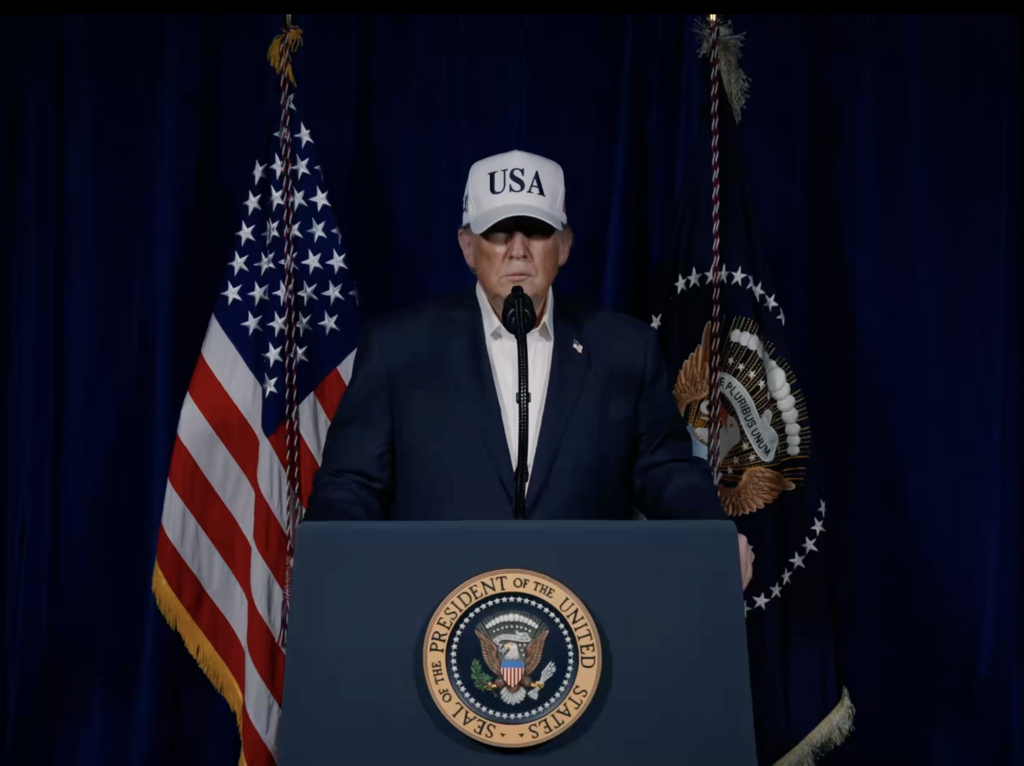
President Donald Trump announced Tuesday evening that he would delay planned military strikes against Iran for two weeks, marking a significant diplomatic breakthrough after weeks of escalating tensions. The suspension came hours before Trump's 20:00 ET deadline and followed intense mediation efforts led by Pakistan.
Trump confirmed the decision came after direct conversations with Pakistani Prime Minister Shehbaz Sharif and Field Marshal Asim Munir. The two-week pause is conditional on Iran's "complete, immediate and safe opening of the Strait of Hormuz," a critical global oil chokepoint that Tehran had effectively blockaded in response to U.S. and Israeli military pressure.
Pakistani Prime Minister Sharif announced that both nations had agreed to an "immediate ceasefire everywhere" and extended an invitation for peace negotiations to be held in Islamabad on Friday. Iran's Foreign Minister Seyed Aragchi confirmed that Tehran would halt its "defensive operations" provided that attacks on Iranian soil also ceased, adding that safe passage through the Strait of Hormuz would be restored.
Trump stated that Washington had already received a 10-point proposal from Iran offering a workable framework for negotiations, and that nearly all major points of disagreement had been resolved. The two-week window, he said, would allow a final agreement to be formally concluded.
Financial markets reacted swiftly to the news. S&P 500 Futures surged more than 2% in after-hours trading, while WTI crude oil futures dropped nearly 13% to $86.21 per barrel — reflecting optimism that a prolonged conflict threatening global oil supplies may be nearing resolution. Reports also indicated that China had quietly encouraged Iran to accept ceasefire terms.
The Iran conflict, now entering its sixth week, had drawn in Israel and several Gulf nations. The Strait of Hormuz alone accounts for roughly 20% of global oil consumption, underscoring the enormous economic stakes tied to this fragile diplomatic moment.







