


 Judge Delays SEC Settlement With Elon Musk Over Twitter Stock Disclosure Case
  Lula and Trump Talks Signal New Phase in Brazil-US Relations
  Qatar LNG Tanker Crosses Strait of Hormuz Amid Iran War Tensions
  Trump Reportedly Approves Plan to Remove FDA Commissioner Marty Makary Amid Growing Controversies
  Iran Military Readiness Intensifies After Meeting With Mojtaba Khamenei
  Germany Rejects Putin’s Proposal for Schroeder to Mediate Ukraine Peace Talks
  Israel’s Secret Iraq Base Allegedly Supported Iran Air Campaign, WSJ Reports
  Russia Accuses Ukraine of Ceasefire Violations Amid Drone and Artillery Attacks
  Trump Announces Russia-Ukraine Ceasefire for May 9-11 Amid Ongoing Peace Talks
  Malaysia Unveils Energy Security Plan Amid Iran Conflict and Rising Oil Costs
  US Revises UN Resolution on Iran Strait of Hormuz Attacks Amid Russia-China Opposition
  Trump Inspects Lincoln Memorial Reflecting Pool Renovation in Washington
  Qatar Condemns Drone Strike as Iran Conflict Threatens Gulf Shipping and Global Markets
  Ukraine-Russia Ceasefire Confirmed as Prisoner Swap Deal Advances
  Trump Administration Releases New UFO Files and Apollo Mission Records
  Australia’s Wealthy Donors Shift Support to One Nation Amid Conservative Party Decline
  Trump Invites Top CEOs Including Nvidia, Apple, Boeing to China Summit With Xi Jinping


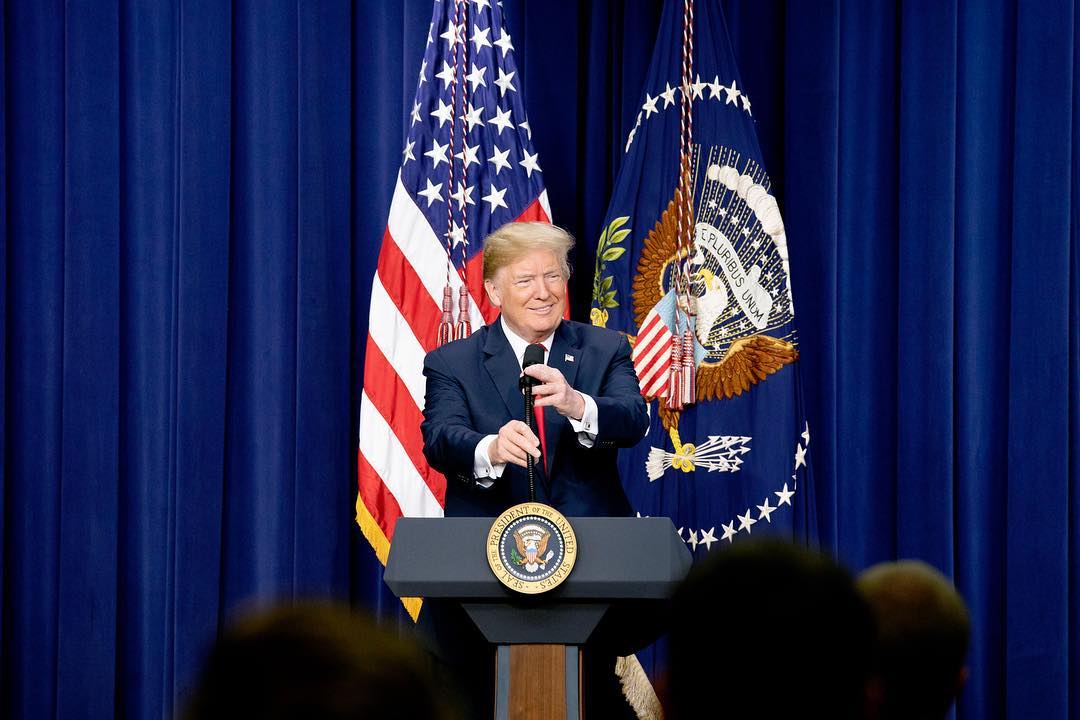
As cyberattacks grow more sophisticated, President-elect Donald Trump has unveiled an ambitious agenda to overhaul the United States’ cybersecurity laws in 2025. Trump announced his plan during a cybersecurity summit in Dallas, emphasizing the need for "modern laws to confront modern threats." The initiative is aimed at strengthening national security, protecting critical infrastructure, and combating online crimes like ransomware attacks and data breaches.
Central to the proposal is the establishment of the National Cybersecurity Strategy Act, which seeks to enhance public-private partnerships and mandate stricter reporting requirements for cyber incidents. Trump highlighted the urgency of the matter, pointing to the recent rise in ransomware attacks targeting government institutions and private enterprises.
However, critics argue the plan leans too heavily on surveillance measures that could infringe on privacy rights. While proponents see it as a necessary response to evolving threats, the proposal has ignited heated debates among policymakers, cybersecurity experts, and the public.
Key Elements of Trump’s Cybersecurity Initiative
The National Cybersecurity Strategy Act will require private companies to report cyberattacks to federal authorities within 48 hours of discovery. Trump’s plan also includes a $15 billion investment in cybersecurity training programs and upgrades to federal IT systems, many of which rely on outdated software.
Another major component is the establishment of a National Cyber Defense Agency. The proposed agency would centralize efforts to monitor and respond to cyber threats, bridging gaps between existing entities like the Department of Homeland Security and the FBI.
Additionally, Trump’s initiative calls for international collaboration to address cross-border cybercrimes, such as those originating from Russia and China. The plan would increase penalties for hackers and establish new legal frameworks to prosecute cybercriminals operating outside U.S. jurisdiction.
Critics, however, are concerned about expanded surveillance powers under Trump’s plan. A provision allowing government agencies to monitor internet traffic in real time has drawn backlash from privacy advocates, who argue it could pave the way for mass data collection.
Public Reactions Highlight Divided Opinions
Trump’s announcement has sparked mixed reactions online, with some hailing it as a long-overdue response to growing cybersecurity threats and others expressing alarm over potential privacy violations.
- @CyberSkeptic: “More surveillance? Sounds like Big Brother in disguise. Protecting data shouldn’t come at the cost of freedom.”
- @ITGuru21: “Finally, a president who gets it. Cybersecurity is national security. Let’s get those laws updated ASAP.”
- @DataPrivacyFan: “Reporting attacks is one thing, but government monitoring real-time traffic? That’s a step too far.”
- @TechInnovator89: “The National Cyber Defense Agency sounds promising, but can they manage coordination with existing agencies effectively?”
- @RansomwareSurvivor: “As someone whose business was crippled by a hack, I’m all for stricter penalties and faster response times.”
- @PrivacyWarrior: “This is just another excuse to spy on Americans under the guise of protecting us. Unacceptable.”
Challenges to Implementing Cybersecurity Reform
While Trump’s cybersecurity agenda appears well-intentioned, experts note significant challenges to its implementation. Critics argue that reporting mandates could overwhelm smaller businesses that lack robust IT resources. Additionally, coordinating efforts between federal agencies and private companies has historically proven difficult.
Privacy concerns also loom large. Provisions allowing real-time monitoring of internet traffic could face legal challenges, particularly from civil liberties organizations. Cybersecurity experts warn that overly broad surveillance powers could erode public trust and lead to potential abuse.
Despite these challenges, Trump’s plan underscores the critical importance of modernizing the nation’s cybersecurity framework. As cyber threats continue to evolve, the debate over balancing security with privacy is likely to intensify.







