


 TikTok Nears $400 Million Settlement With Trump Administration Over Child Privacy Lawsuit
  Qatar Condemns Drone Strike as Iran Conflict Threatens Gulf Shipping and Global Markets
  Trump Administration Releases New UFO Files and Apollo Mission Records
  Russian LNG Shadow Fleet Expands Amid Arctic LNG 2 Sanctions
  Russia Accuses Ukraine of Ceasefire Violations Amid Drone and Artillery Attacks
  Mexico President Claudia Sheinbaum Reconsiders Early School Closure Plan Ahead of 2026 World Cup
  Malaysia Unveils Energy Security Plan Amid Iran Conflict and Rising Oil Costs
  Pope Leo Calls for Peace as Vatican Seeks Better Ties With U.S.
  Trump Reportedly Approves Plan to Remove FDA Commissioner Marty Makary Amid Growing Controversies
  Israeli Strikes in Gaza Kill Three as Ceasefire Tensions Continue
  Senate Stablecoin Bill Sparks Clash Between Banks and Crypto Industry
  Iran Military Readiness Intensifies After Meeting With Mojtaba Khamenei
  Judge Delays SEC Settlement With Elon Musk Over Twitter Stock Disclosure Case
  Trump-Xi Beijing Summit to Focus on Trade, Taiwan, and Boeing Deal
  U.S.-China Beef Trade Deal Hopes Rise Ahead of Trump-Xi Summit
  Trump Invites Top CEOs Including Nvidia, Apple, Boeing to China Summit With Xi Jinping
  US Revises UN Resolution on Iran Strait of Hormuz Attacks Amid Russia-China Opposition


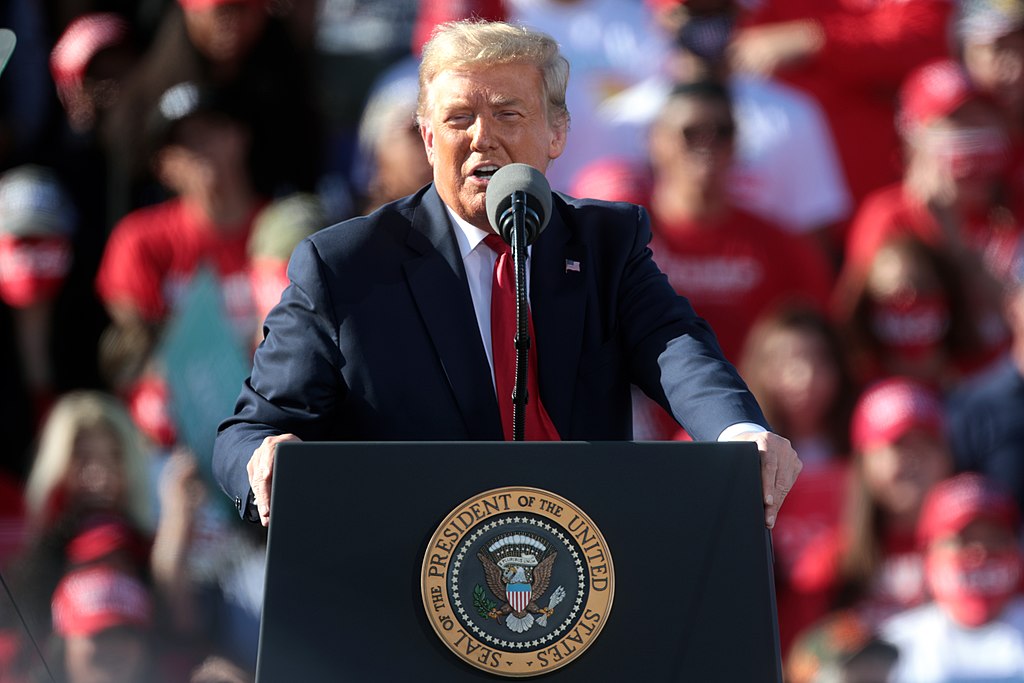
President-elect Donald Trump has announced an ambitious plan to boost small-town economies across the United States in 2025. Titled the "Small-Town Prosperity Initiative," the proposal emphasizes investment in infrastructure, manufacturing, and local entrepreneurship to create jobs and foster economic growth. Trump unveiled the initiative during a rally in West Virginia, a state that has long struggled with economic challenges.
The plan includes funding for rural broadband expansion, small-business tax incentives, and grants for revitalizing abandoned industrial sites. Trump emphasized the importance of bringing jobs back to forgotten towns, stating, “We’re going to make small-town America great again. No community will be left behind.”
However, critics argue the initiative lacks specifics, particularly regarding how funding will be allocated and monitored. While supporters praise the focus on rural areas, others question whether the plan will adequately address long-term economic sustainability.
Key Elements of the Small-Town Prosperity Initiative
The cornerstone of Trump’s plan involves a $50 billion federal investment in infrastructure projects aimed at modernizing rural transportation, water systems, and high-speed internet access. Proponents believe these upgrades will attract businesses and create jobs in underserved areas.
Additionally, the initiative proposes significant tax breaks for small businesses and incentives for companies that relocate to rural towns. Trump also highlighted plans to provide grants for local governments to repurpose abandoned industrial sites into hubs for new businesses.
While the plan’s objectives seem promising, analysts warn that its success depends on effective implementation. Critics argue that similar initiatives in the past have fallen short due to poor oversight and insufficient funding.
Trump’s plan also calls for partnerships with private investors to accelerate the creation of job-training programs tailored to the needs of rural communities. However, some experts question whether the private sector will commit to these partnerships without clear incentives.
Public Reaction Divided Over Trump’s Economic Plan
The announcement has sparked mixed reactions across social media platforms. While some netizens expressed optimism, others voiced skepticism about Trump’s ability to deliver on his promises.
- @RuralRebound: “Finally, a president who cares about small-town America! This plan could be a game-changer for our community.”
- @FactCheckRural: “Trump’s plan sounds great, but where’s the funding coming from? More empty promises, less real action.”
- @ProgressivePlanner: “Investing in infrastructure is a step forward, but will small towns see the money or just big corporations?”
- @HeartlandWorker: “We’ve heard it all before. What guarantees do we have this time?”
- @SmallTownHopeful: “If Trump pulls this off, he might actually make a difference for places like mine. Fingers crossed!”
- @SkepticSally: “Trump’s track record isn’t exactly spotless. How much of this will actually help real people?”
Challenges Ahead for Revitalizing Small-Town Economies
While Trump’s initiative has generated excitement, experts highlight several challenges. Effective allocation of resources and avoiding misuse of funds are critical. Previous federal programs have faced criticism for disproportionately benefiting larger companies rather than small-town businesses.
Additionally, Trump’s reliance on public-private partnerships raises questions about accountability. Experts suggest that without robust oversight, these partnerships could lead to uneven economic benefits.
Economists also warn that revitalizing small towns requires addressing systemic issues like access to education, healthcare, and affordable housing. Without tackling these underlying problems, they argue, economic gains may be short-lived.







