


 Gold Prices Drop as Fed Rate Outlook and Iran Tensions Weigh on Market
  Taiwan Coast Guard Officer Finds Strength in Faith as China Increases Pressure in Taiwan Strait
  Canada Grants C$7 Million to Greenland Molybdenum Mine to Strengthen Critical Minerals Supply
  Oil Prices Rise as US-Iran Tensions Threaten Strait of Hormuz Oil Shipments
  Asian Currencies Stay Range-Bound as Investors Eye China Data, RBNZ Outlook and U.S.-Iran Ceasefire
  Japan Targets 1%+ Real Economic Growth With ¥370 Trillion Investment Plan
  Gold Price Hits Annual Low as Fed Rate Hike Bets and Sticky Inflation Weigh on Bullion
  Asian Stocks Slip as US-Iran Ceasefire Hopes Lift Oil, Dollar Strength Persists
  Serbia President Aleksandar Vucic to Resign, Calls Early Elections After Months of Protests
  Supreme Court Backs Lisa Cook, Defends Federal Reserve Independence Against Trump Firing Attempt
  Central Banks Eye Gold, Reduce Dollar Exposure as AI Adoption Accelerates: OMFIF Survey
  Russian Attacks on Dnipro, Zaporizhzhia, and Kharkiv Kill 10 as Ukraine Vows Response
  Russia Intensifies Assault on Kostiantynivka as Ukraine’s Donetsk Defense Faces Mounting Pressure
  China Expands Export Controls, Adds 20 Japanese Companies to Restricted List
  Trump Suspends Some Morocco Fertilizer Tariffs to Ease U.S. Supply Shortage
  Trump Questions Housing Bill as He Prioritizes SAVE America Act
  China Factory PMI Seen Returning to Growth in June as AI Export Demand Supports Economy


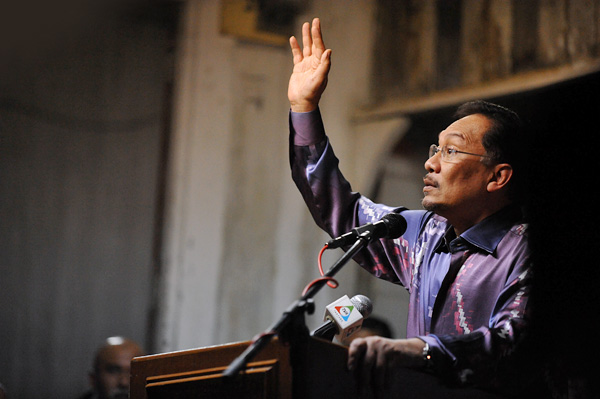
Malaysia is preparing to introduce a comprehensive strategy to protect its oil supply as tensions surrounding the Iran conflict continue to disrupt global energy markets. Prime Minister Anwar Ibrahim is expected to announce the plan soon, focusing on securing stable fuel supplies and reducing the country’s exposure to international oil market volatility.
According to reports from Bernama, the Malaysian government is taking urgent steps to ensure energy reserves remain sufficient to sustain economic growth and domestic demand. Economy Minister Akmal Nasrullah Mohd Nasir said concerns over disruptions in the Strait of Hormuz have intensified fears of a wider global energy crisis, pushing Malaysia to strengthen its energy security measures.
The ongoing conflict has significantly increased Malaysia’s financial burden, especially through fuel subsidies. The government is projected to spend nearly 7 billion ringgit ($1.8 billion) on fuel subsidies for April alone, marking a dramatic rise compared to pre-war levels. Officials have also warned that national oil reserves could face serious pressure by June if supply chains are not stabilized quickly.
To reduce dependency on traditional supply routes, Petroliam Nasional Bhd. (Petronas) is reportedly finalizing agreements with alternative international suppliers. The move aims to diversify Malaysia’s crude oil and refined fuel sources while minimizing risks linked to Middle Eastern instability.
Malaysia is also engaging with ASEAN partners to discuss the creation of regional energy reserves that could provide emergency support during supply disruptions. However, government officials acknowledged that further coordination and policy development are still required before a regional framework can be implemented.
In the short term, Malaysia plans to accelerate its transition to B15 biodiesel beginning June 1. Authorities believe the higher biodiesel blend will help extend diesel supplies and reduce dependence on imported fuel. The strategy highlights Malaysia’s efforts to balance rising domestic energy demand with the challenges posed by global oil market uncertainty.







