


 US Revises UN Resolution on Iran Strait of Hormuz Attacks Amid Russia-China Opposition
  Trump Reportedly Approves Plan to Remove FDA Commissioner Marty Makary Amid Growing Controversies
  Australia’s Wealthy Donors Shift Support to One Nation Amid Conservative Party Decline
  Senate Stablecoin Bill Sparks Clash Between Banks and Crypto Industry
  Iran Military Readiness Intensifies After Meeting With Mojtaba Khamenei
  Russian LNG Shadow Fleet Expands Amid Arctic LNG 2 Sanctions
  Germany Rejects Putin’s Proposal for Schroeder to Mediate Ukraine Peace Talks
  Qatar LNG Tanker Crosses Strait of Hormuz Amid Iran War Tensions
  Malaysia Unveils Energy Security Plan Amid Iran Conflict and Rising Oil Costs
  Israeli Strikes in Gaza Kill Three as Ceasefire Tensions Continue
  Judge Rules DOGE Humanities Grant Cuts Unconstitutional
  U.S., South Korea Launch Shipbuilding Partnership Initiative
  Judge Delays SEC Settlement With Elon Musk Over Twitter Stock Disclosure Case
  Qatar Condemns Drone Strike as Iran Conflict Threatens Gulf Shipping and Global Markets
  Pope Leo Calls for Peace as Vatican Seeks Better Ties With U.S.
  Trump Announces Russia-Ukraine Ceasefire for May 9-11 Amid Ongoing Peace Talks
  Rubio Presses Italy Over Iran Support as Tensions Test U.S.-Italy Alliance


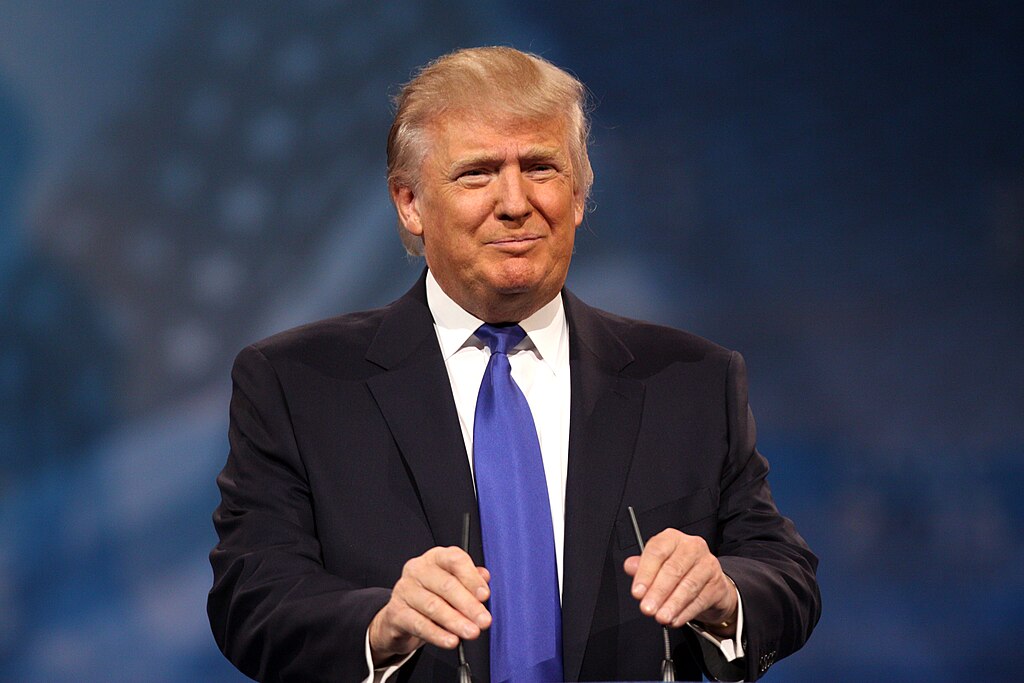
President-elect Donald Trump has unveiled a controversial initiative aimed at promoting workplace diversity in 2025. The plan, announced at a business summit in Washington, D.C., seeks to incentivize companies to create more inclusive environments while balancing the concerns of conservative groups skeptical of diversity mandates.
In a press release, Trump’s transition team outlined a multifaceted strategy that includes tax credits for businesses that demonstrate tangible progress in hiring and promoting individuals from underrepresented communities. The plan also calls for partnerships with educational institutions to foster career readiness in marginalized groups, particularly in the tech and manufacturing sectors.
Trump touted the initiative as “a pragmatic approach to leveling the playing field” during his address to a room of corporate leaders. “We want the best talent from all corners of America to drive our economy forward,” he stated, emphasizing that workplace diversity would be achieved without compromising merit-based hiring.
While the proposal has been met with applause in some circles, critics have raised concerns about its execution and potential limitations.
A Balancing Act: Incentives and Opposition
Central to Trump’s plan is a set of tax incentives designed to reward companies that meet diversity benchmarks. Businesses achieving measurable increases in hiring minorities, women, and veterans will qualify for financial benefits. Additionally, the administration plans to launch a new “Workplace Equity Advisory Council,” which will include representatives from major corporations and advocacy groups.
However, the initiative has sparked a backlash from both ends of the political spectrum. Progressive organizations argue that the plan lacks enforceable accountability measures, while conservative groups claim it imposes unnecessary pressures on businesses.
Critics have also pointed out that the plan does not address systemic barriers, such as pay disparities or inequities in access to education and training. “If Trump wants to champion diversity, this is a surface-level attempt that fails to address root causes,” said one policy expert.
Meanwhile, some Republican lawmakers have expressed concern that the plan contradicts free-market principles by encouraging government involvement in private-sector hiring practices.
Social Media Reacts to Trump’s Diversity Plan
Trump’s announcement has ignited a firestorm on social media, with users offering a wide range of opinions:
- @EqualityFirst: “Trump’s workplace diversity push is pure political theater. Real change needs to address systemic inequities, not tax credits.”
- @ConservativeNow: “This plan sounds like corporate socialism. Businesses should focus on profit, not government-imposed diversity quotas.”
- @InclusionMatters: “Finally, a step in the right direction! Diversity is the backbone of innovation. Let’s see if this works.”
- @RedStateRider: “Why is Trump catering to woke corporations? Let businesses hire who they want without interference.”
- @WorkplaceWins: “If it’s real change, I’m all for it. But we need data, not just rhetoric.”
- @JusticeSeeker2025: “Diversity matters, but without addressing pay equity and representation at leadership levels, this is just lip service.”
Challenges Ahead
While Trump’s diversity initiative presents a vision for more inclusive workplaces, its success hinges on its implementation. Critics highlight the lack of clear accountability and data collection as potential weak points in the strategy.
Experts also caution that broader systemic issues, such as educational disparities and economic inequality, require parallel action to ensure long-term success. As Trump prepares to take office, the plan’s impact on businesses and the workforce remains uncertain.







