


 Trump Calls for “Nationalizing” Voting, Drawing Backlash Over Election Authority
  Stephen Miran Resigns as White House Economic Adviser Amid Federal Reserve Tenure
  Illinois Joins WHO Global Outbreak Network After U.S. Exit, Following California’s Lead
  UN Warns of Growing Nuclear Risks as New START Treaty Expires
  Trump Stays Neutral on 2028 GOP Successor as Vance and Rubio Emerge as Top Contenders
  China and Uruguay Strengthen Strategic Partnership Amid Shifting Global Order
  U.S.-Iran Nuclear Talks Expected in Oman Following Venue Change Request
  Trump Announces U.S.–India Trade Deal Cutting Tariffs, Boosting Markets and Energy Ties
  Venezuela and U.S. Move Toward Renewed Diplomatic Relations
  U.S. Condemns South Africa’s Expulsion of Israeli Diplomat Amid Rising Diplomatic Tensions
  UK and US Reaffirm Strategic Importance of Diego Garcia Base Amid Chagos Sovereignty Dispute
  U.S. Justice Department Removes DHS Lawyer After Blunt Remarks in Minnesota Immigration Court
  Netanyahu Warns U.S. Envoy Iran Unlikely to Honor Nuclear Deal as Talks Resume
  Japan Finance Minister Defends PM Takaichi’s Remarks on Weak Yen Benefits
  U.S.–Iran Nuclear Talks Scheduled in Oman as Diplomatic Efforts Resume
  Australian Scandium Project Backed by Richard Friedland Poised to Support U.S. Critical Minerals Stockpile
  Melania Trump Pushes Diplomacy to Return Ukrainian Children from Russia


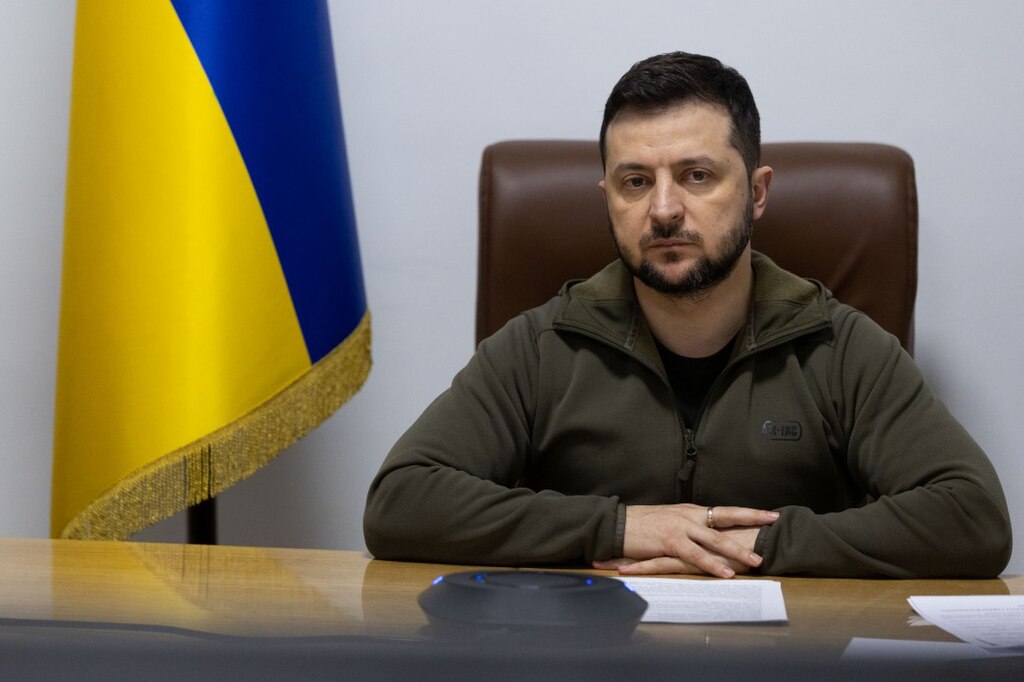
Ukrainian and Russian officials concluded what Kyiv described as a “productive” first day of new U.S.-brokered peace talks in Abu Dhabi, even as intense fighting continued across Ukraine in Europe’s largest conflict since World War Two. The two-day trilateral meetings, involving delegations from Ukraine, Russia, and the United States, are aimed at exploring pathways toward ending the four-year-old war.
Ukraine’s lead negotiator, Rustem Umerov, said discussions were focused on “concrete steps and practical solutions,” a sentiment echoed by a U.S. official who confirmed the talks would resume the following morning. Ukrainian President Volodymyr Zelenskiy stressed that the negotiations must deliver tangible progress toward peace, warning that Russia should not be allowed to use diplomacy as cover to prolong the war. He urged Ukraine’s allies to increase pressure on Moscow so that Ukrainians could feel real movement toward ending the conflict.
The talks come after Zelenskiy accused Russia of exploiting a U.S.-backed energy truce to stockpile weapons, followed by what he described as a record number of ballistic missile attacks on Ukraine. Shortly after negotiations began, Russian forces struck a busy market in eastern Ukraine using cluster munitions, killing at least seven civilians and wounding 15, according to regional authorities.
Zelenskiy said Ukraine hopes the talks will soon result in a new prisoner exchange. In a recent interview with French broadcaster France 2, he estimated that around 55,000 Ukrainian soldiers have been killed since the start of the war, an increase from the figure he cited earlier this year.
Despite renewed diplomatic engagement, major differences remain. Russia is demanding that Ukraine relinquish territory it still controls, including parts of the Donetsk region, and is pressing for conditions related to the Zaporizhzhia nuclear power plant, located in Russian-occupied territory. Ukraine, meanwhile, insists on freezing the conflict along current front lines and rejects any unilateral withdrawal of its forces.
Russia currently occupies about 20% of Ukraine’s territory, including Crimea and parts of eastern Ukraine. While analysts say Russia has made limited territorial gains since early 2024, public opinion in Ukraine remains strongly opposed to making painful territorial concessions. Many Ukrainians remain sceptical that the latest round of peace talks will lead to a breakthrough, even as international efforts to mediate the conflict intensify.













