


 Oil Prices Rise Amid U.S.-Iran Tensions and Strait of Hormuz Deadlock
  Oil Prices Surge Amid U.S.-Iran Tensions and Strait of Hormuz Supply Concerns
  European Stocks Slip as U.S.-Iran Tensions and Earnings Season Weigh on Markets
  Brazil Pension Fund Crackdown After Banco Master Collapse Raises Investment Concerns
  U.S. Consumer Sentiment Hits Record Low as Iran Conflict Fuels Inflation Concerns
  Asian Currencies Rise Ahead of BOJ and Fed Meetings as Dollar Softens
  Asian Stock Markets Rally as Japan and South Korea Hit Record Highs Amid Oil Price Concerns
  U.S. and EU Strengthen Critical Minerals Partnership to Reduce China Dependence
  Araqchi Leads Iran’s Diplomatic Push as U.S. Talks and Oil Market Tensions Rise
  Bank of England Set to Hold Interest Rates as Inflation Risks and Iran War Impact Loom
  Yen Strengthens as BOJ Signals Rate Hikes; Asian Currencies Slip Ahead of Fed Meeting
  US Stock Futures Steady as Oil Prices Surge and Big Tech Earnings Loom
  ECB Rate Outlook: Ceasefire Eases Pressure but Hikes Still Expected in 2026
  Ukraine Faces Pressure to Introduce VAT on Low-Value Imports to Secure IMF Funding
  Oil Price Forecasts Rise for 2026 as Middle East Supply Risks Persist
  Trump Urges Iran to Call for Talks as War Stalemate Disrupts Oil Markets
  BOJ Rate Decision in Focus as Yen, Inflation, and Nikkei Hang in Balance


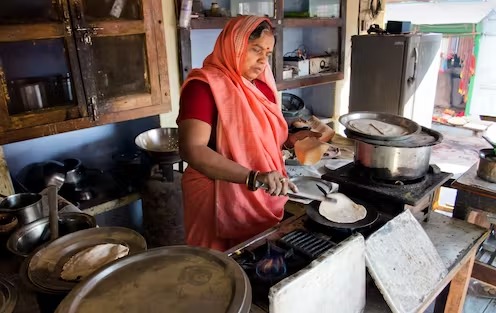
India’s dominant services sector showed a strong rebound in January after slipping to an 11-month low in December, supported by a rise in new business activity, according to the latest HSBC India Services Purchasing Managers’ Index (PMI) compiled by S&P Global. The index increased to 58.5 in January from 58.0 in December, signaling continued expansion. A PMI reading above 50 indicates growth, and January marked the 54th consecutive month of expansion, the longest streak since the survey began in 2005, although the figure fell slightly short of the preliminary estimate of 59.3.
The recovery in India’s services sector was largely driven by faster growth in new business, a key indicator of demand. New orders expanded at their quickest pace since November, with companies attributing the improvement to a stronger online presence, aggressive marketing strategies, and better client engagement. According to HSBC, robust output growth was also supported by a steady flow of international orders, particularly from South and Southeast Asia.
Export demand improved notably during the month, with new export business growing at its fastest pace in three months. Survey respondents highlighted increased demand from countries such as Indonesia, Qatar, Sri Lanka, and Vietnam. The survey data was collected between January 9 and 28, a period that also saw positive developments on the trade front. India recently signed a trade agreement with the European Union, and the United States announced a significant reduction in tariffs on Indian goods, potentially boosting export-driven growth in the coming months.
Despite the pickup in activity, employment growth remained weak. Hiring returned to expansion after a contraction in December, but job creation stayed just above the neutral 50 mark, indicating near-stagnant labor market conditions. Meanwhile, inflationary pressures intensified, with input costs rising at the fastest pace since September due to higher prices for food, electronics, and paper. Service providers passed on part of these costs to customers, pushing output charges to a three-month high.
Overall business sentiment improved, with firms expressing greater confidence in the year-ahead outlook, supported by expectations of efficiency gains, new client acquisitions, and sustained demand. Reflecting broader economic momentum, the HSBC India Composite PMI, which combines services and manufacturing, rose to 58.4 in January from 57.8 in December, reinforcing signs of resilient economic growth.







