


 U.S. Futures Slide as Oil Prices Surge on Middle East Shipping Attacks
  Iran-Israel War Sparks Global Oil Crisis as Tankers Burn in Gulf Waters
  Trump Announces New U.S. Oil Refinery in Texas with Indian Energy Giant Reliance
  Trump Hints at Possible U.S. Takeover of Cuba Amid Deepening Humanitarian Crisis
  After the Iran war, Persian Gulf nations face tough decisions on the US – a former diplomat explains
  Dollar Strengthens Amid Oil Price Surge and Inflation Fears
  Iran's Government Remains Stable Despite U.S. and Israeli Strikes, Intelligence Shows
  German Exports Drop 2.3% in January, Exceeding Forecast Decline
  Gold Prices Climb Above $5,200 as Iran War Uncertainty and Inflation Data Loom
  China's Trade Surplus Surges Past Forecasts in Early 2026
  Ukraine Strikes Russian Missile Component Factory in Bryansk Using British Weapons
  Dollar Steadies as Traders Await Clarity on U.S.-Israel-Iran War
  Trump Administration Spent $5.6 Billion in Munitions in Opening Days of Iran Strikes
  Anthropic Sues Pentagon Over AI Blacklist, Citing Free Speech Violations
  U.S. and Russia Hold Diplomatic Talks in Florida Amid Ongoing Tensions
  Bank of Japan Expected to Hold Rates at 0.75% Before June Hike Amid Middle East War Uncertainty
  U.S. Calls for Reassessment of International Aid to Taliban-Ruled Afghanistan


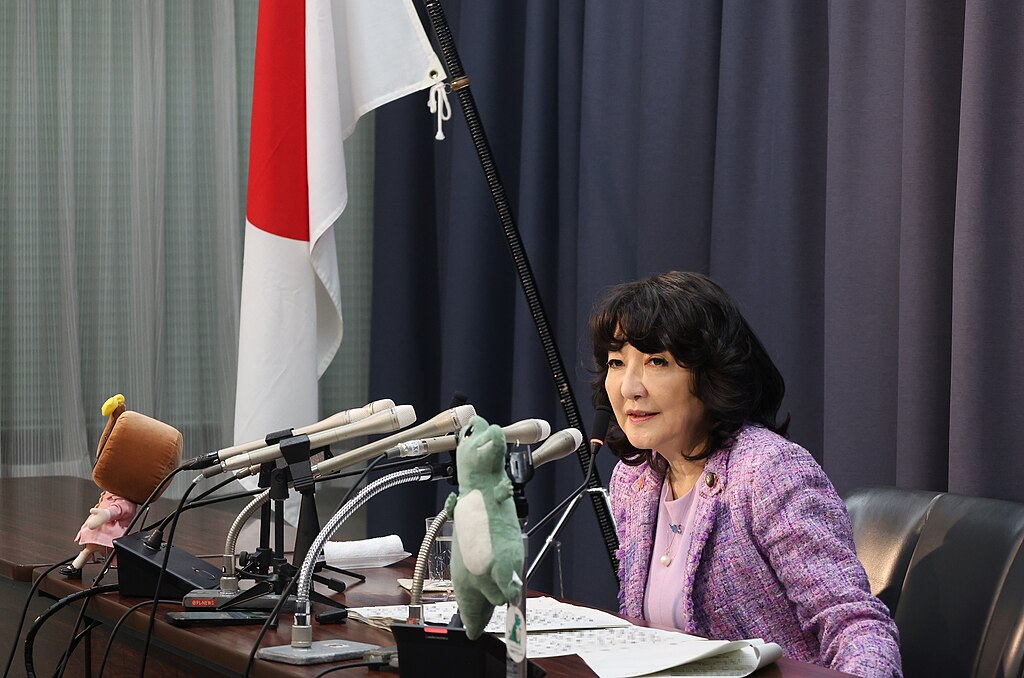
Japan’s Finance Minister Satsuki Katayama on Tuesday defended Prime Minister Sanae Takaichi’s recent comments emphasizing the potential benefits of a weaker yen, saying the remarks were grounded in standard economic theory and widely accepted textbook principles. The defense comes amid heightened market sensitivity to currency policy and growing scrutiny over Japan’s stance on the yen’s depreciation.
Speaking at a regular press conference, Katayama explained that Prime Minister Takaichi was addressing the issue in broad, academic terms rather than signaling a shift in government policy. According to the finance minister, Takaichi’s comments were meant to highlight the general economic effects of a weaker yen, which are commonly discussed in economic literature. Katayama stressed that the prime minister acknowledged both the negative and positive aspects of currency weakness.
Takaichi noted that while a weaker yen can increase import costs and place pressure on households, it can also deliver meaningful benefits to the broader economy. These include stronger corporate earnings as Japanese products become more competitive overseas, improved export performance, and increased domestic investment driven by higher profitability among manufacturers and exporters. Katayama emphasized that such dynamics are well known and not controversial from a theoretical standpoint.
The comments drew attention after the U.S. dollar climbed back above the 155 yen level, following Takaichi’s campaign speech over the weekend in which she spoke favorably about the advantages of a weaker currency. Her remarks were perceived by markets as striking a different tone from Japan’s finance ministry, which has recently been vocal about concerns over excessive yen declines and has taken steps to stabilize the currency.
Currency traders and investors closely monitor statements from Japanese officials, as verbal signals can influence exchange rate movements. The latest yen weakness has reignited debate over how Japan balances export-driven growth with the rising cost of imports and inflationary pressures. Katayama’s clarification appears aimed at easing concerns that the government is endorsing further yen depreciation, reinforcing that Takaichi’s comments were explanatory rather than prescriptive.
As Japan navigates ongoing currency volatility, the government continues to face the challenge of communicating economic realities without unsettling financial markets, while maintaining a consistent and credible policy stance.













