


 Trump Congratulates Ali al-Zaidi on Iraq Prime Minister Nomination, Signals Strong U.S.-Iraq Ties
  Comey Faces Charges Over Instagram Post as Free Speech Debate Intensifies
  UN Chief Says U.S. UN Funding Obligations Are Non-Negotiable Amid Reform Demands
  Panama Defends Port Takeover Amid U.S.-China Tensions and Canal Dispute
  Sheinbaum Questions U.S. Charges Against Sinaloa Governor Rocha, Calls for Clear Evidence
  US Proposes Maritime Freedom Construct to Secure Strait of Hormuz Shipping
  U.S. Military Presence in Germany Strengthens NATO Readiness and Training
  US-China Talks Put Taiwan at Center of Rising Geopolitical Tensions
  Israel Expands Gaza Restricted Zones, Raising Concerns for Civilians and Aid Access
  Lula Plans New Supreme Court Nomination After Historic Senate Rejection
  US Adds European Union to Section 301 Watchlist Amid Trade Concerns
  Russian Drone Strikes Hit Odesa Again, Injuring Civilians and Damaging Infrastructure
  Iran-U.S. Conflict Escalation Threatens Global Oil Supply and Economic Stability
  US House Advances $70 Billion Immigration Enforcement Budget Plan
  FEMA Reinstates Employees After Dissent Letter, Signaling Shift in Workforce Stability
  Japan Eases Arms Export Rules, Opening Door for Potential Ukraine Defense Support
  Aung San Suu Kyi Moved to House Arrest Amid Myanmar Political Crisis


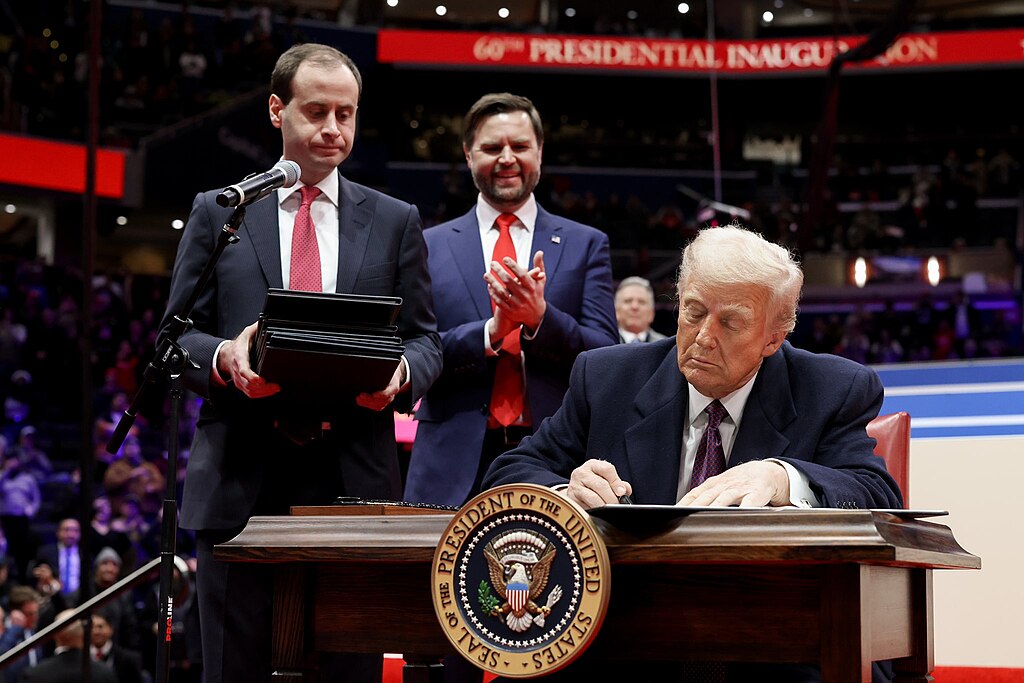
President Donald Trump has declined to take sides in early speculation over who could succeed him as the Republican presidential nominee in the 2028 election, as Vice President JD Vance and Secretary of State Marco Rubio increasingly draw attention as potential frontrunners. Speaking in an interview with NBC News on Wednesday, Trump emphasized that it is too early to weigh in on the race, noting that he still has three years left in his current term.
JD Vance, a former Republican senator from Ohio and Trump’s vice president, has publicly stated that he plans to discuss a possible 2028 run with Trump after the November midterm elections. Meanwhile, Marco Rubio, the former Florida senator and current secretary of state, is also viewed by Republican insiders as a strong presidential prospect. Rubio previously ran for the Republican nomination in 2016, ultimately losing to Trump, but has since reemerged as a key figure within the administration. While Rubio has not formally announced any plans, he has not ruled out a future run and has spoken positively about Vance’s leadership and political skills.
When asked whether he would endorse a successor, Trump said he would “be inclined” to do so at the appropriate time but stressed that he does not want to create division within his administration. He praised both men, calling them “fantastic” and highlighting their high intelligence, while noting a clear difference in their personal styles. Trump also hinted that Rubio may be “slightly more diplomatic,” a comment widely interpreted as a nod to the secretary of state’s background in foreign policy.
Trump has repeatedly floated the idea that Vance and Rubio could run together on a single ticket, suggesting that such a pairing would be difficult for opponents to defeat in what is expected to be a wide-open and highly competitive 2028 presidential race. The upcoming election is anticipated to feature crowded fields on both the Republican and Democratic sides.
During the interview, Trump also briefly revisited the controversial idea of seeking an unconstitutional third term, a notion he had previously raised and then dismissed. When asked if there was any scenario in which he could still be president in January 2029, Trump responded vaguely, saying, “I don’t know. It would be interesting.”







