


 RBA Set for Back-to-Back Rate Hikes, Westpac Forecasts
  German Exports Drop 2.3% in January, Exceeding Forecast Decline
  Iran's Government Remains Stable Despite U.S. and Israeli Strikes, Intelligence Shows
  Trump Administration Launches Trade Investigations Against 16 Countries Over Industrial Overcapacity
  China's Trade Surplus Surges Past Forecasts in Early 2026
  Taiwan's MQ-9B SkyGuardian Drone Order Stays on Schedule Despite Middle East Conflict
  IEA Releases Record 400 Million Barrels of Oil Amid U.S.-Iran War
  Shots Fired at U.S. Consulate in Toronto in Suspected National Security Incident
  Venezuela Names Paula Henao as New Oil Minister Amid U.S.-Led Industry Overhaul
  U.S. Solar Market Contracts in 2025 as Trump Rolls Back Renewable Energy Incentives
  Israel-Iran War: Herzog Urges Patience as U.S. and Israeli Strikes Intensify
  Ukraine Strikes Russian Missile Component Factory in Bryansk Using British Weapons
  Asian Currencies Face Pressure as U.S.-Iran Conflict Weighs on Markets
  Gold Prices Slip as U.S.-Israel-Iran War Fuels Dollar and Oil Demand
  U.S. Markets Slip Amid Iran Conflict Uncertainty as Oil Prices Retreat
  Mexico's Electoral Reform Bill Fails in Congress as Coalition Fractures


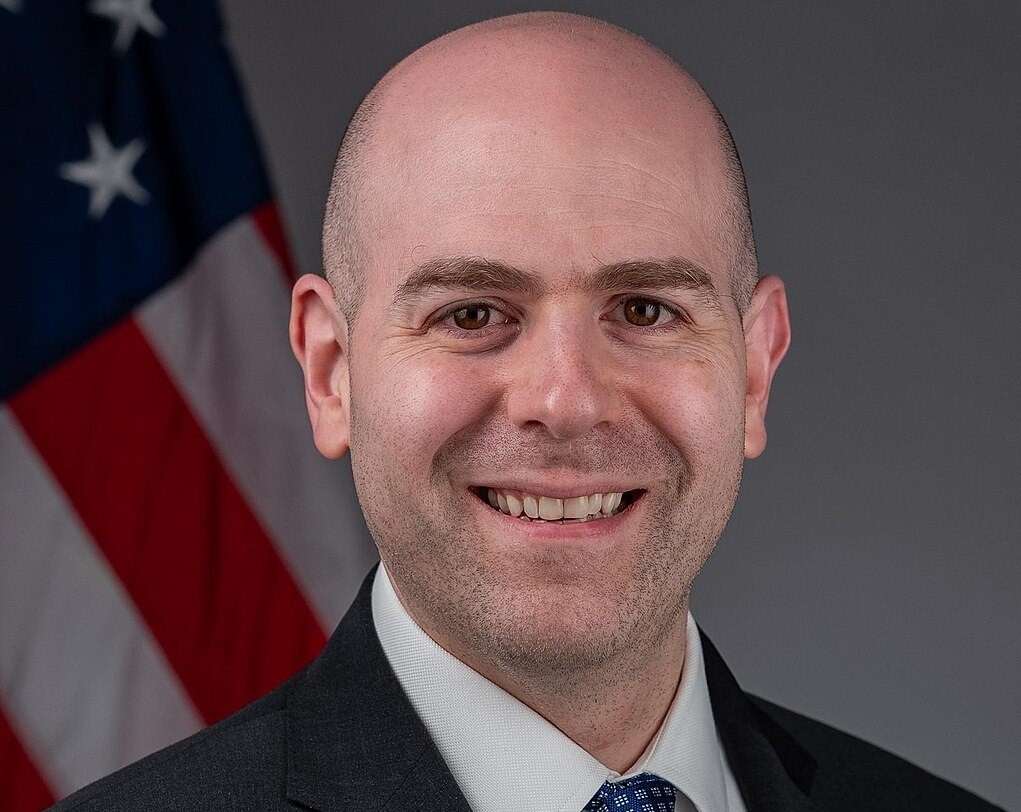
Federal Reserve Governor Stephen Miran has formally resigned from his role as chair of the White House Council of Economic Advisers (CEA), fulfilling a commitment he made to the U.S. Senate as his tenure at the Federal Reserve extends beyond its initial timeframe. Miran’s resignation, dated Tuesday, comes as scrutiny continues over the independence of the central bank and its relationship with the Trump administration.
Miran had been serving on unpaid leave from the CEA after President Donald Trump appointed him last year to fill an unexpected vacancy on the Federal Reserve’s Board of Governors. That appointment was initially set to expire on January 31, and Miran had argued that he was not legally required to resign from the CEA given the temporary nature of the role. However, Democratic senators criticized the arrangement, warning it could undermine the Fed’s independence and turn Miran into a political extension of the White House.
In his resignation letter, reviewed by Reuters, Miran emphasized his pledge to lawmakers. He stated that he believed it was important to honor his word and formally step down from the CEA now that his service on the Fed is continuing. Under federal law, Miran can remain on the Board of Governors until a successor is confirmed by the Senate.
The development follows President Trump’s announcement that he plans to nominate former Federal Reserve Governor Kevin Warsh as the next Fed chair, replacing Jerome Powell when Powell’s leadership term ends in May. Warsh’s nomination has already sparked controversy, as a majority of the Senate Banking Committee has raised concerns about ongoing Department of Justice investigations involving current Fed officials.
Miran has consistently advocated for sharply lower interest rates since joining the Federal Reserve last September, aligning with Trump’s public calls for easier monetary policy. Meanwhile, questions remain about the future leadership of the CEA, as the White House has not commented on whether acting chair Pierre Yared will be permanently appointed.
The resignation underscores the heightened political tension surrounding the Federal Reserve, interest rate policy, and the broader debate over central bank independence in the United States.













