


 Trump Says “Very Good Talks” Underway on Russia-Ukraine War as Peace Efforts Continue
  Trump Allows Commercial Fishing in Protected New England Waters
  Trump Slams Super Bowl Halftime Show Featuring Bad Bunny
  Trump Signs Executive Order Threatening 25% Tariffs on Countries Trading With Iran
  China Warns US Arms Sales to Taiwan Could Disrupt Trump’s Planned Visit
  Trump Congratulates Japan’s First Female Prime Minister Sanae Takaichi After Historic Election Victory
  Israel Approves West Bank Measures Expanding Settler Land Access
  US Pushes Ukraine-Russia Peace Talks Before Summer Amid Escalating Attacks
  U.S. Lawmakers to Review Unredacted Jeffrey Epstein DOJ Files Starting Monday
  Trump Lifts 25% Tariff on Indian Goods in Strategic U.S.–India Trade and Energy Deal
  Netanyahu to Meet Trump in Washington as Iran Nuclear Talks Intensify
  Taiwan Says Moving 40% of Semiconductor Production to the U.S. Is Impossible
  Japan’s Prime Minister Sanae Takaichi Secures Historic Election Win, Shaking Markets and Regional Politics
  Trump Backs Nexstar–Tegna Merger Amid Shifting U.S. Media Landscape
  India–U.S. Interim Trade Pact Cuts Auto Tariffs but Leaves Tesla Out
  New York Legalizes Medical Aid in Dying for Terminally Ill Patients
  Jack Lang Resigns as Head of Arab World Institute Amid Epstein Controversy


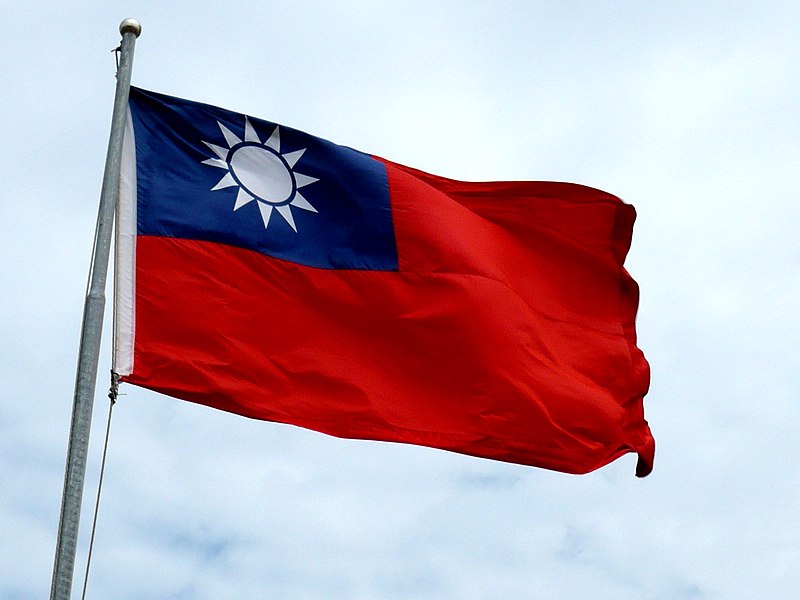
The US has sought to increase its engagement with Taiwan as the island nation resists the pressure campaign by China to accept its sovereignty over the island. Washington said Friday last week that it has approved a potential sale of military aid to Taiwan.
Reuters reports that the State Department has approved the sale of $108 million of military assistance to Taiwan, according to the Pentagon. This comes as Taipei has requested the latest military assistance, which includes spare and repair parts for tanks and combat vehicles, and US government and contractor technical and logistical support.
“The proposed sale will contribute to the sustainment of the recipient’s vehicles, small arms, combat weapon systems, and logistical support systems, enhancing its ability to meet current and future threats,” said the Pentagon’s Defense Security Cooperation Agency in a statement.
The potential sale will also enhance the military interoperability of the island nation with the US and other allies, and Taiwan’s armed forces will not have difficulties with the equipment and the support. The approval of the State Department did not include an indication that the proposed sale has been made.
However, the defense ministry of Taiwan said the deal was expected to take effect in a month.
“In the face of the expanding military threat of the Chinese Communists, properly maintaining equipment is as important as newly purchased weapons and equipment,” said the ministry in a statement.
Washington has long urged Taiwan to modernize its military to become a “porcupine” that would be hard for China to attack, pushing for the sale of inexpensive, mobile, and survivable or “asymmetric” weapons that could outlast assaults by China’s military.
This potential sale also comes as Taiwanese President Tsai Ing-Wen has launched her party’s re-election campaign Sunday for the local elections that will take place in November.
The ruling Democratic Progressive Party touted the country’s economic resilience in the midst of inflation and the war in Ukraine.
During the DPP’s annual Congress, Tsai said the post-pandemic era was full of both challenges and opportunities, referring to Russia’s invasion of Ukraine and inflation.
While Tsai did not mention China in her remarks, Taiwanese Premier Su Tseng-Chang, said the Taiwanese people will not bow to Beijing’s pressure campaign.













