


 FBI Warns of Possible Iranian Drone Attacks on California Amid U.S.-Iran War
  U.S. and Russia Hold Diplomatic Talks in Florida Amid Ongoing Tensions
  IEA Releases Record 400 Million Barrels of Oil Amid U.S.-Iran War
  Anthropic Sues Pentagon Over AI Blacklist, Citing Free Speech Violations
  Iran Mines Strait of Hormuz: Crude Oil Prices Surge Amid Middle East Tensions
  Japan's BOJ Independence Under Fire as PM Takaichi's Rate Stance Draws Political Heat
  Ukraine Strikes Russian Missile Component Factory in Bryansk Using British Weapons
  Israel-Iran War: Herzog Urges Patience as U.S. and Israeli Strikes Intensify
  Trump Announces New U.S. Oil Refinery in Texas with Indian Energy Giant Reliance
  Taiwan's MQ-9B SkyGuardian Drone Order Stays on Schedule Despite Middle East Conflict
  Iran-Israel War Sparks Global Oil Crisis as Tankers Burn in Gulf Waters
  U.S. Calls for Reassessment of International Aid to Taliban-Ruled Afghanistan
  U.S. Senate Greenlights AI Chatbots for Official Staff Use
  Iran's Government Remains Stable Despite U.S. and Israeli Strikes, Intelligence Shows
  Mexico's Electoral Reform Bill Fails in Congress as Coalition Fractures
  Trump-Putin Call Addresses Iran War, Ukraine Peace, and Global Oil Crisis


Taiwan’s defence ministry announced on Thursday that the United States government has formally initiated the congressional notification process for a proposed $11.1 billion arms sale to Taiwan, underscoring Washington’s continued support for Taipei at a time of escalating military pressure from China. The move highlights the strategic importance of Taiwan in regional security and the deepening defence cooperation between the United States and the self-governed island.
According to the ministry’s statement, the proposed arms package includes eight major categories of military equipment. These reportedly cover HIMARS rocket systems, howitzers, anti-tank missiles, drones, and spare parts for other defence platforms. The acquisition is aimed at strengthening Taiwan’s ability to deter potential aggression and to enhance its overall self-defence capabilities in an increasingly tense security environment across the Taiwan Strait.
The ministry emphasized that the United States continues to assist Taiwan in maintaining sufficient self-defence capacity and in rapidly building strong deterrence power. It added that leveraging asymmetric warfare advantages remains central to Taiwan’s defence strategy, forming a key foundation for maintaining peace and stability in the region. Asymmetric warfare focuses on mobile, smaller, and often more cost-effective weapons systems that can deliver precise and effective strikes, such as drones and missile platforms, rather than relying solely on traditional large-scale military assets.
Under strong encouragement from Washington, Taiwan has been working in recent years to transform its armed forces to better prepare for asymmetric warfare scenarios. This shift reflects lessons learned from modern conflicts, where flexibility, mobility, and technological precision play an increasingly decisive role. The goal is to complicate any potential military action against the island and raise the costs of aggression.
While the United States maintains formal diplomatic relations with Beijing, it also sustains unofficial ties with Taiwan and remains its most important arms supplier. U.S. law obliges Washington to provide Taiwan with the means to defend itself, although such arms sales are a recurring source of friction with China. Beijing considers Taiwan part of its territory, a claim that Taiwan’s government firmly rejects.
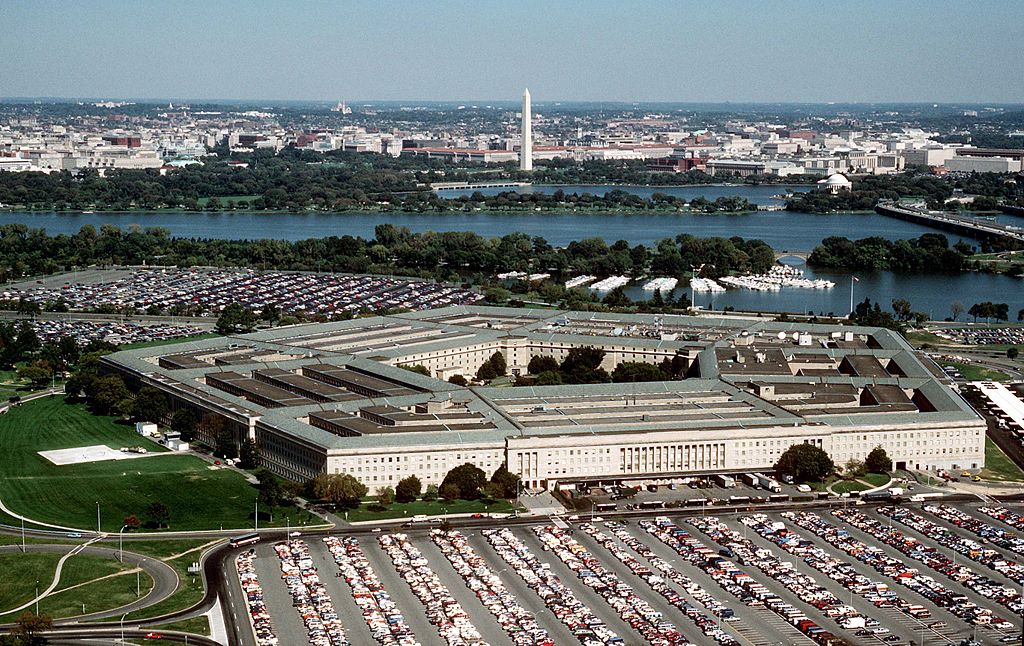
The Pentagon did not immediately respond to requests for comment on the proposed sale, which still requires congressional approval before proceeding.













