


 Israel-Iran War: Herzog Urges Patience as U.S. and Israeli Strikes Intensify
  Iran Mines Strait of Hormuz: Crude Oil Prices Surge Amid Middle East Tensions
  Trump Administration Spent $5.6 Billion in Munitions in Opening Days of Iran Strikes
  Trump Doubts Iran Mining Reports as Strait of Hormuz Tensions Escalate
  Trump-Putin Call Addresses Iran War, Ukraine Peace, and Global Oil Crisis
  Venezuela Names Paula Henao as New Oil Minister Amid U.S.-Led Industry Overhaul
  U.S. and Russia Hold Diplomatic Talks in Florida Amid Ongoing Tensions
  Ukraine Strikes Russian Missile Component Factory in Bryansk Using British Weapons
  Taiwan's MQ-9B SkyGuardian Drone Order Stays on Schedule Despite Middle East Conflict
  Pentagon Taps Wall Street Talent to Manage $200 Billion Defense Investment Fund
  Shots Fired at U.S. Consulate in Toronto in Suspected National Security Incident
  Trump Administration Launches Trade Investigations Against 16 Countries Over Industrial Overcapacity
  U.S. Calls for Reassessment of International Aid to Taliban-Ruled Afghanistan
  Iran-Israel War Sparks Global Oil Crisis as Tankers Burn in Gulf Waters
  Japan's BOJ Independence Under Fire as PM Takaichi's Rate Stance Draws Political Heat
  Iran's Government Remains Stable Despite U.S. and Israeli Strikes, Intelligence Shows
  Iran-U.S. Oil Tensions Escalate as Revolutionary Guards Threaten Strait of Hormuz Blockade


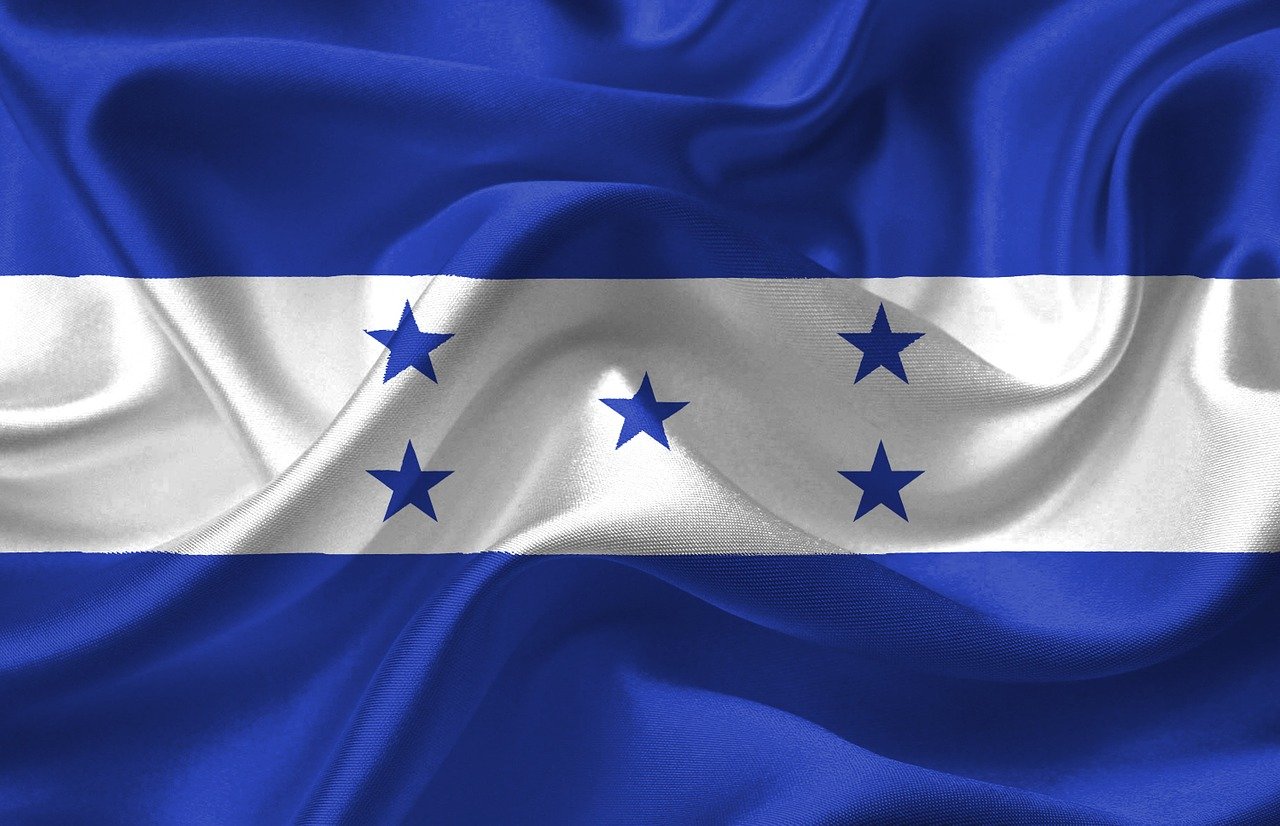
A special manual recount in Honduras’ presidential election remained stalled on Wednesday as protests prevented electoral staff from accessing their workplace, deepening political tensions and prolonging uncertainty over the final outcome. The recount, which could potentially alter the preliminary results from the November 30 election, was scheduled to begin late last week after nearly two weeks of delays caused by disputes and disruptions.
Honduras’ National Electoral Council (CNE) has confirmed that it is prepared to conduct a hand review of approximately 15% of tally sheets, equivalent to hundreds of thousands of ballots. These tally sheets reportedly contain inconsistencies that, if corrected, could shift the standings between the two leading candidates. As of Wednesday, with nearly 100% of tally sheets processed in the regular machine count, opposition National Party candidate Nasry Asfura held a lead of more than 43,000 votes over Liberal Party candidate Salvador Nasralla.
Asfura, a 67-year-old former mayor of Tegucigalpa, has drawn international attention after receiving public support from U.S. President Donald Trump. Meanwhile, Rixi Moncada of the ruling leftist LIBRE party trailed in third place. Both LIBRE and Nasralla are calling for a full recount of all votes, alleging fraud in the counting process, though no concrete evidence has been presented.
CNE President Ana Paola Hall said the recount has been delayed because protesters linked to LIBRE have blocked access to the electoral authority’s building. She emphasized that Honduran electoral law only allows special reviews when there are objective and specific grounds, adding there is no legal basis for a complete recount without verified irregularities. According to officials, just over 2,792 tally sheets show inconsistencies, a figure large enough to potentially influence the final result.
The election results will remain preliminary until the review process is completed. The CNE has until December 30 to officially declare a winner, who will assume office at the end of January for the 2026–2030 term, replacing President Xiomara Castro. International observers, including the European Union and the Organization of American States, have stated they see no evidence of systematic electoral fraud, even as protests and political rhetoric continue to escalate.













