


 Federal and State Authorities Conduct Widespread Fraud Raids Across Minnesota
  Israel’s Secret Iraq Base Allegedly Supported Iran Air Campaign, WSJ Reports
  Rubio Presses Italy Over Iran Support as Tensions Test U.S.-Italy Alliance
  Ukraine-Russia Ceasefire Confirmed as Prisoner Swap Deal Advances
  Trump-Xi Beijing Summit to Focus on Trade, Taiwan, and Boeing Deal
  Asian Stocks Slide as Iran Tensions Escalate Despite Strong Weekly Gains
  New York Moves to Ban Masked Law Enforcement During Immigration Operations
  Trump Administration Dismisses Entire National Science Board, Raising Concerns Over Scientific Independence
  US House Advances $70 Billion Immigration Enforcement Budget Plan
  Trump-Xi Meeting 2026: U.S.-China Trade Tensions Escalate Ahead of Beijing Summit
  Pope Leo Calls for Peace as Vatican Seeks Better Ties With U.S.
  UN Experts Condemn Trump’s Cuba Fuel Blockade Amid Deepening Energy Crisis
  Oil Prices Surge as U.S.-Iran Conflict Threatens Strait of Hormuz Supply Route
  China Banks Halt New Loans to Sanctioned Refineries Amid U.S.-Iran Oil Crackdown
  Trump Administration Releases New UFO Files and Apollo Mission Records
  Russian LNG Shadow Fleet Expands Amid Arctic LNG 2 Sanctions
  Australia’s Wealthy Donors Shift Support to One Nation Amid Conservative Party Decline


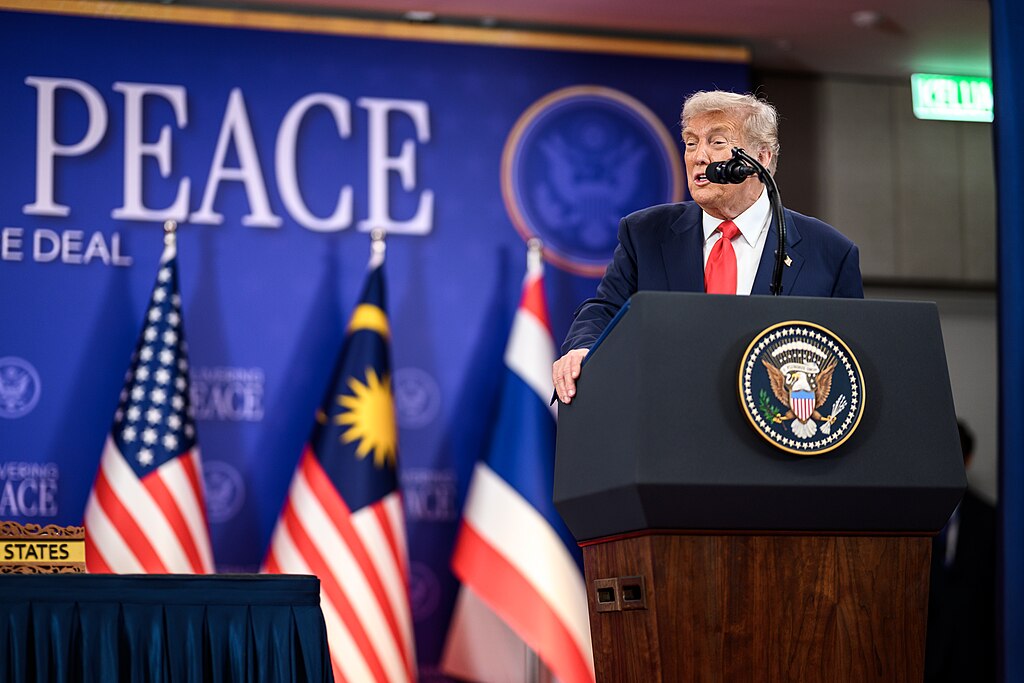
U.S. President Donald Trump has ordered a “total and complete blockade” of all sanctioned oil tankers entering and leaving Venezuela, dramatically escalating Washington’s pressure on President Nicolas Maduro’s government and directly targeting the country’s primary source of revenue. The announcement, made Tuesday on Trump’s Truth Social account, immediately rattled global energy markets and raised serious legal and geopolitical questions.
Trump justified the move by accusing the Venezuelan government of asset theft, terrorism, drug smuggling, and human trafficking, stating that the Maduro-led regime has been designated a foreign terrorist organization. However, it remains unclear how the blockade would be enforced, including whether the U.S. Coast Guard or Navy would be used to interdict vessels. The administration has already increased its military presence in the region, deploying thousands of troops and nearly a dozen warships, including an aircraft carrier.
Venezuela’s government swiftly rejected the announcement, calling it a “grotesque threat” and accusing the United States of imperialism and attempts to seize control of the country’s vast oil reserves. Tensions have been building since the U.S. seized a sanctioned tanker off Venezuela’s coast last week, effectively discouraging other vessels from loading oil. Venezuelan crude exports have since fallen sharply, worsened by a recent cyberattack that disrupted operations at state oil company PDVSA.
Oil prices reacted quickly. Brent crude rose more than 1% in Asian trading, while U.S. West Texas Intermediate crude also climbed over 1%, rebounding from its lowest close since February 2021. Market participants say prices are rising on expectations of reduced Venezuelan supply, though much depends on whether the blockade is fully implemented and whether non-sanctioned vessels are affected.
Legal experts warn the blockade could be considered an act of war under international law, while U.S. lawmakers have questioned Trump’s authority to take such action without congressional approval. Analysts estimate that if nearly one million barrels per day of Venezuelan crude are removed from the market and not offset by OPEC spare capacity, oil prices could rise by $5 to $8 per barrel, potentially fueling inflation and regional instability.
China, Venezuela’s largest oil buyer, and companies like Chevron, which operates under U.S. authorization, are closely watching developments as the standoff threatens to reshape global oil flows and deepen an already volatile crisis.







