


 Ghislaine Maxwell to Invoke Fifth Amendment at House Oversight Committee Deposition
  Trump Signs Executive Order Threatening 25% Tariffs on Countries Trading With Iran
  Trump Backs Nexstar–Tegna Merger Amid Shifting U.S. Media Landscape
  Ohio Man Indicted for Alleged Threat Against Vice President JD Vance, Faces Additional Federal Charges
  Jack Lang Resigns as Head of Arab World Institute Amid Epstein Controversy
  Trump Administration Appeals Court Order to Release Hudson Tunnel Project Funding
  Trump Lifts 25% Tariff on Indian Goods in Strategic U.S.–India Trade and Energy Deal
  Trump’s Inflation Claims Clash With Voters’ Cost-of-Living Reality
  Trump Allows Commercial Fishing in Protected New England Waters
  Federal Judge Restores Funding for Gateway Rail Tunnel Project
  Bangladesh Election 2026: A Turning Point After Years of Political Suppression
  Anutin’s Bhumjaithai Party Wins Thai Election, Signals Shift Toward Political Stability
  Bosnian Serb Presidential Rerun Confirms Victory for Dodik Ally Amid Allegations of Irregularities
  Trump Congratulates Japan’s First Female Prime Minister Sanae Takaichi After Historic Election Victory
  Nicaragua Ends Visa-Free Entry for Cubans, Disrupting Key Migration Route to the U.S.
  Japan Election 2026: Sanae Takaichi Poised for Landslide Win Despite Record Snowfall


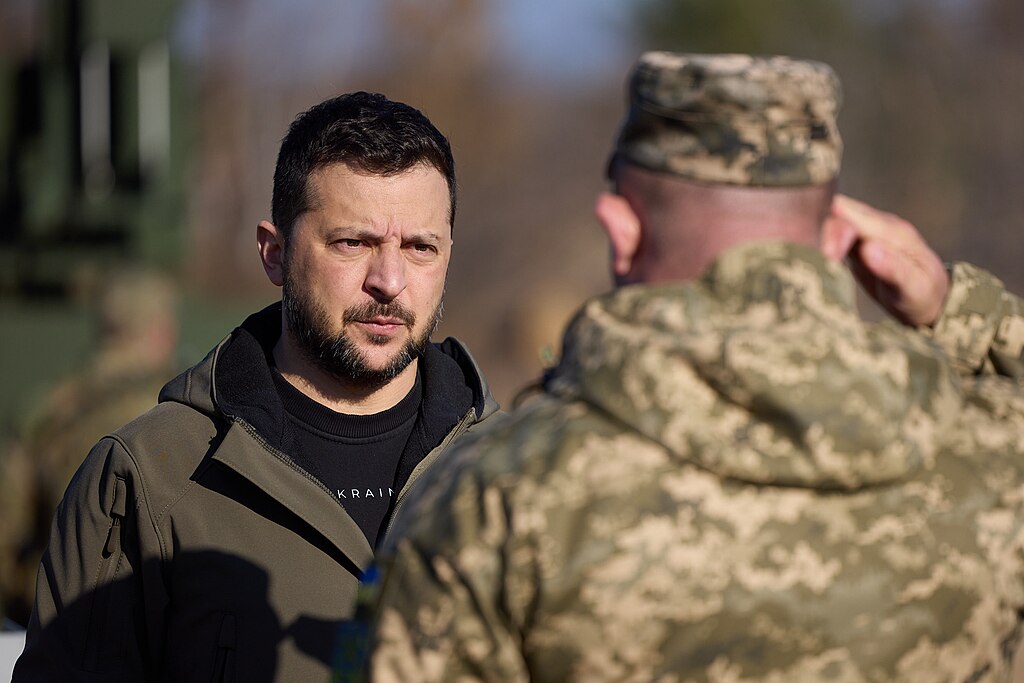
European leaders, including Ukrainian President Volodymyr Zelenskiy, are gathering in The Hague to launch a new International Claims Commission aimed at compensating Ukraine for hundreds of billions of dollars in damage caused by Russia’s invasion. The one-day conference is co-hosted by the Netherlands and the Council of Europe and brings together dozens of senior officials, including EU foreign policy chief Kaja Kallas, highlighting growing European efforts to ensure accountability and reparations for Ukraine.
The initiative comes as U.S.-backed diplomatic efforts to end the war continue, more than three years after Russia’s full-scale invasion of Ukraine in February 2022. While Russian officials have consistently denied allegations of war crimes, European governments are moving forward with mechanisms to address claims related to civilian harm, destruction of infrastructure, and violations of international law.
A key challenge facing the commission is the possibility that a future peace deal could include some form of amnesty for wartime atrocities, an idea previously floated by the administration of U.S. President Donald Trump. Such a provision could complicate Europe’s plans to compensate victims of abuses, including sexual violence, child deportations, and damage to religious and cultural sites.
The commission will build on the existing Register of Damage for Ukraine, established by the Council of Europe in 2023, which has already received more than 80,000 claims from individuals, organizations, and public authorities. Over 50 countries and the European Union have drafted a convention to formally establish the commission, which will enter into force once at least 25 states ratify it and sufficient funding is secured. Around 35 nations are expected to sign the convention during the meeting in The Hague.
The World Bank estimates that Ukraine’s post-war reconstruction will cost at least $524 billion over the next decade, a figure that does not yet account for damage caused by intensified Russian attacks in 2025. While details on compensation payments are still under discussion, frozen Russian assets held in the European Union are among the funding options being considered, underscoring Europe’s determination to support Ukraine’s recovery and long-term justice efforts.













