


 Rubio Approves $25.8 Billion Weapons Sale to Middle East Allies
  Google Secures Pentagon AI Deal for Classified Projects
  Israel Expands Gaza Restricted Zones, Raising Concerns for Civilians and Aid Access
  Malaysia Unveils Energy Security Plan Amid Iran Conflict and Rising Oil Costs
  US Adds European Union to Section 301 Watchlist Amid Trade Concerns
  Ghana Rejects U.S. Health Deal Over Data Sharing Concerns Amid Foreign Aid Shift
  Germany Rejects Putin’s Proposal for Schroeder to Mediate Ukraine Peace Talks
  Trump Administration’s National Science Board Dismissal Sparks Warning From Scientists
  Trump-Xi Beijing Summit to Focus on Trade, Taiwan, and Boeing Deal
  Netanyahu Signals Plan to End Reliance on U.S. Military Aid Within 10 Years
  Trump-Xi Summit Sparks Renewed Hope for Americans Detained in China
  Trump Administration Dismisses Entire National Science Board, Sparking Debate Over Scientific Independence
  Trump Weighs Renewed Iran Military Action Amid Hormuz Tensions
  Dominican Republic Halts GoldQuest Mining Project Amid Environmental Protests
  Keir Starmer Faces Mounting Pressure as Labour MPs Demand Leadership Change
  Trump Rejects Iran Proposal as Strait of Hormuz Crisis Pushes Oil Prices Higher


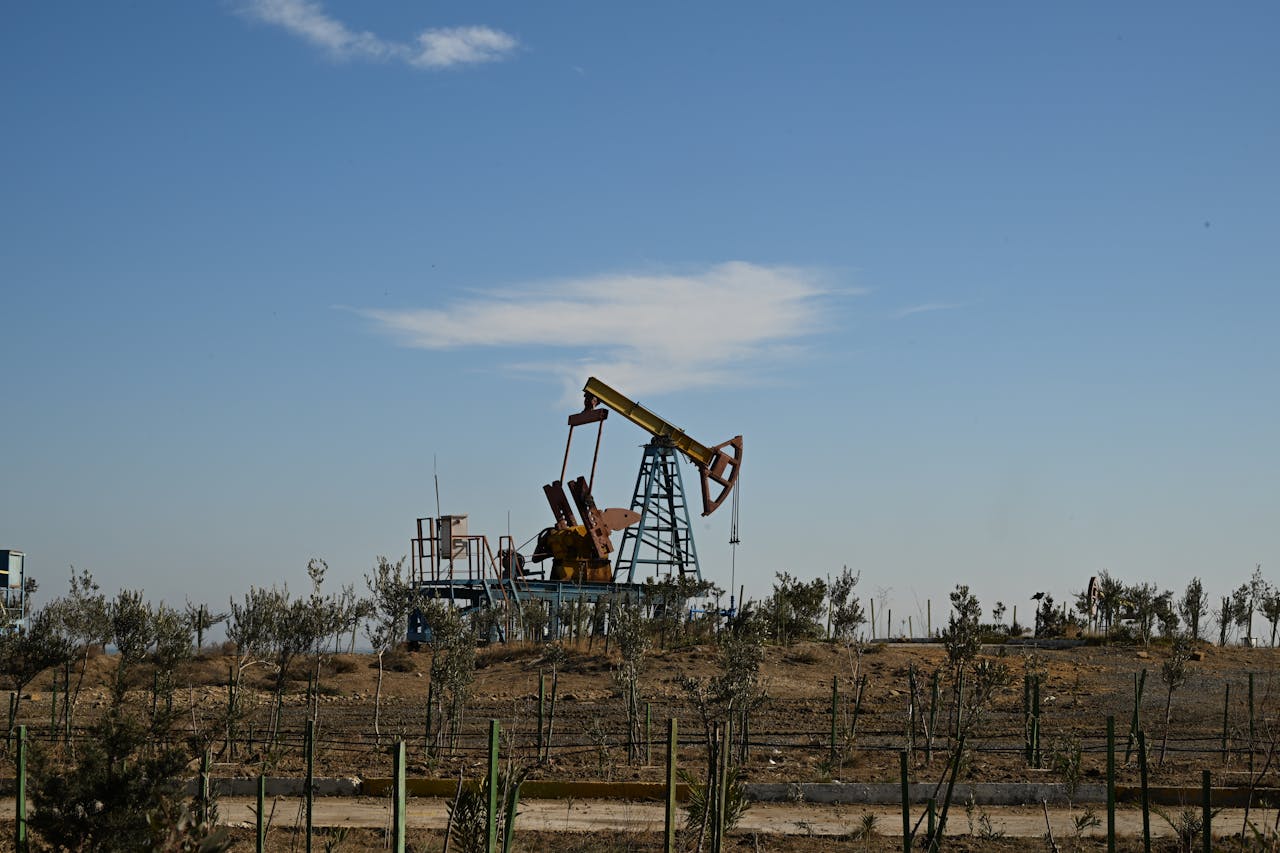
The United States government has imposed new sanctions on individuals and companies accused of helping Iran export oil to China, intensifying pressure on Tehran ahead of a key diplomatic meeting between President Donald Trump and Chinese President Xi Jinping. The latest U.S. sanctions target three individuals and nine companies allegedly involved in facilitating Iranian oil shipments through a network of front businesses operating in multiple countries.
According to the U.S. Treasury Department’s Office of Foreign Assets Control (OFAC), the sanctioned entities played a role in supporting Iran’s Islamic Revolutionary Guard Corps (IRGC) by helping transport and sell Iranian crude oil to Chinese buyers. The companies affected by the sanctions include four firms based in Hong Kong, four in the United Arab Emirates, and one company located in Oman.
The move is part of Washington’s broader campaign to cut off Iran’s access to global financial systems and reduce the revenue Tehran uses to support its military operations, nuclear ambitions, and regional proxy groups. Treasury Secretary Scott Bessent said the Trump administration remains committed to increasing economic pressure on Iran and disrupting the financial channels used by the Iranian regime.
The sanctions come shortly after the U.S. announced additional restrictions on people and organizations connected to Iran’s procurement of weapons materials, including components used in drones and ballistic missiles. American officials believe these efforts are necessary to curb Iran’s growing influence in the Middle East and protect global economic stability.
The timing of the sanctions is significant, arriving just days before Trump’s expected talks with Xi Jinping. During the meeting, Trump is anticipated to urge China to take a stronger role in resolving tensions involving Iran and support efforts to reopen the strategically important Strait of Hormuz, a vital route for global oil shipments.







