


 Oil Prices Slip as U.S.-Iran Peace Talks and Strait of Hormuz Risks Keep Markets on Edge
  Argentina Economy Shrinks 1.5% in April, Recovery Under Milei Loses Momentum
  Trump Questions Housing Bill as He Prioritizes SAVE America Act
  China Sets 1.25% Overnight Reverse Repo Rate Below Market Expectations
  RBA Minutes Signal Australia Central Bank Remains Ready to Raise Interest Rates if Inflation Persists
  Trump Suspends Some Morocco Fertilizer Tariffs to Ease U.S. Supply Shortage
  Dollar Slips Ahead of Key U.S. Jobs Data as Fed Rate Outlook, ECB, and Iran Talks Shape Forex Markets
  Trump Threatens 100% Tariffs on Countries Imposing Digital Services Taxes on U.S. Tech Firms
  Global Financial Firms Shift Asia Expansion Focus to South Korea as China, India Face Caution
  Trump Urges Gasoline Retailers to Cut Prices to $2.50 Per Gallon, Warns of Legal Action
  Gold Price Ends Lower for Fourth Week Despite Rebound as Fed Rate Hike Bets Strengthen
  US Stock Futures Steady as Investors Await Payrolls Data and Monitor Iran Tensions
  Oil Prices Rise as US-Iran Tensions Threaten Strait of Hormuz Oil Shipments
  Yen Falls to 40-Year Low as Markets Watch Japan Intervention and U.S. Jobs Report
  China Expands Export Controls, Adds 20 Japanese Companies to Restricted List
  China Manufacturing PMI Edges Higher in June as Exports and AI Investment Boost Growth
  Asian Stocks Slip as US-Iran Ceasefire Hopes Lift Oil, Dollar Strength Persists


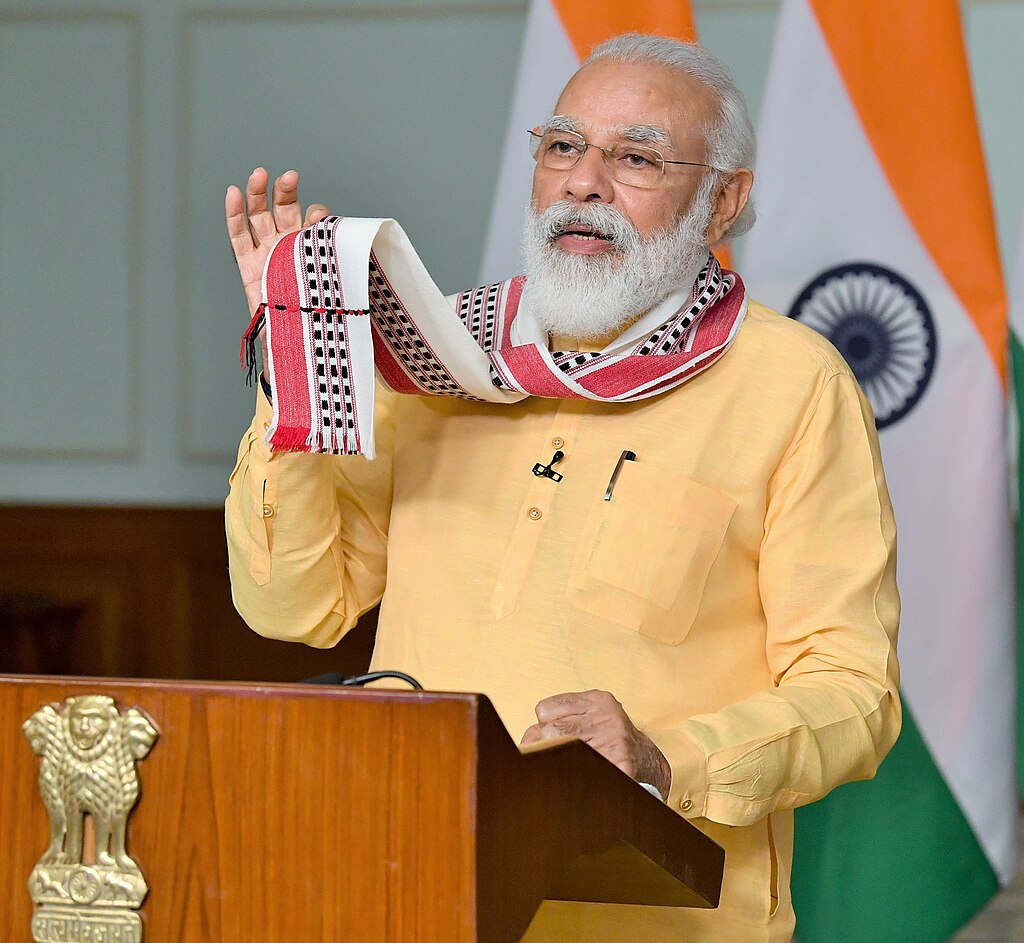
Indian stock markets opened sharply lower on Monday as investors reacted to growing concerns over the economic fallout from the escalating Middle East conflict and rising crude oil prices. The Nifty 50 index declined 1.2% in early trading, while the BSE Sensex dropped 1.4%, reflecting investor anxiety over India’s heavy dependence on imported oil.
Market sentiment weakened further after Prime Minister Narendra Modi urged citizens to adopt fuel-saving measures and reduce non-essential spending. Speaking during a weekend event, Modi encouraged practices similar to the COVID-19 period, including remote work, reduced petrol and diesel usage, and lower consumption of imported goods such as edible oils and fertilizers. He also advised people to postpone luxury spending on gold purchases and international travel for at least a year.
The remarks sparked speculation that India could soon increase domestic fuel prices to offset mounting pressure on oil marketing companies as global crude prices continue to surge. Analysts warn that higher fuel costs may trigger inflationary pressure across the economy, affecting transportation, manufacturing, and consumer spending.
India, the world’s third-largest crude oil importer, relies on imports for nearly 88% of its oil needs. The ongoing Iran conflict has intensified fears over supply disruptions through the Strait of Hormuz, a key route for global energy shipments. Although India has diversified oil imports through Russia, the United States, and West Africa, prolonged instability in the Middle East continues to pose serious risks.
Foreign investors have already pulled billions from Indian equities in recent months. According to ANZ, Indian markets recorded approximately $5.2 billion in capital outflows during April alone. The Nifty 50 has now fallen nearly 9% in 2026, significantly underperforming broader Asian markets as geopolitical tensions and energy concerns continue to pressure investor confidence.







