


 Comey Faces Charges Over Instagram Post as Free Speech Debate Intensifies
  Trump to Receive Briefing on Potential U.S. Military Action Against Iran
  Sinaloa Governor Ruben Rocha Denies U.S. Cartel Allegations, Calls Charges Political
  US Adds European Union to Section 301 Watchlist Amid Trade Concerns
  USDA Plans to Expand Farmer Surveys to Improve Crop Report Accuracy
  Kevin Warsh Advances Toward Fed Chair Role Amid Political Tensions
  Trump Considers Reducing U.S. Troops in Germany Amid NATO Tensions
  Taiwan Independence Explained: History, Status, and Rising China Tensions
  Ghana Rejects U.S. Health Deal Over Data Sharing Concerns Amid Foreign Aid Shift
  US-Iran War Costs Hit $25 Billion as Political Pressure Mounts
  US Proposes Maritime Freedom Construct to Secure Strait of Hormuz Shipping
  US Sanctions Target Iran’s Shadow Banking Network and Terror Financing
  White House Defends Trump’s FIFA Peace Prize Amid Global Criticism
  U.S. Warns Allies Over Alleged Chinese AI IP Theft Linked to DeepSeek
  NYC Mayor Urges King Charles to Return Koh-i-Noor Diamond During U.S. Visit
  Trump Administration Dismisses Entire National Science Board, Raising Concerns Over Scientific Independence
  US House Advances $70 Billion Immigration Enforcement Budget Plan


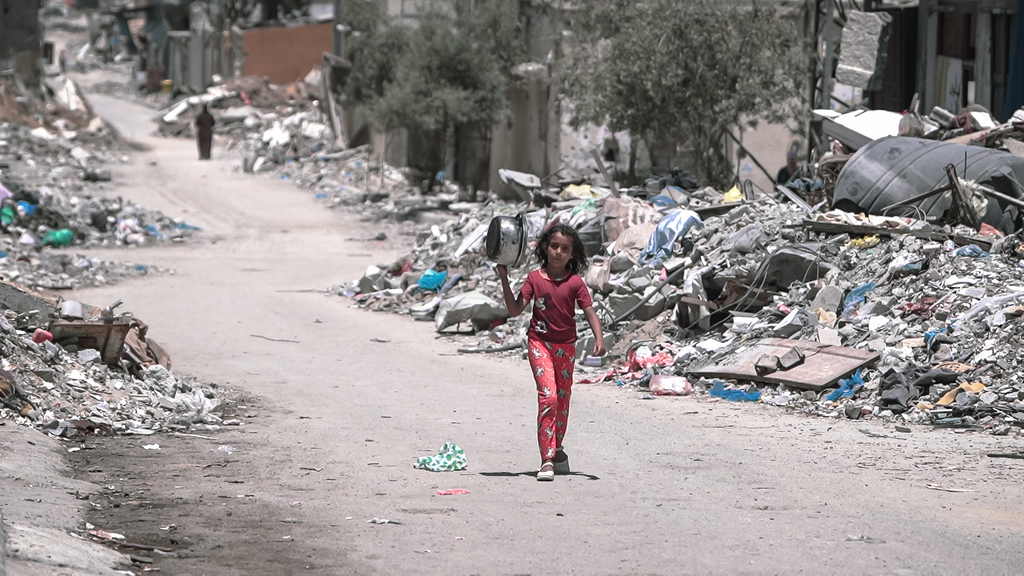
Israel’s newly updated Gaza maps have significantly expanded restricted military zones, placing thousands of displaced Palestinians at increased risk and limiting humanitarian access. The revised maps, quietly shared with aid organizations in mid-March, introduce an “orange line” that designates additional restricted areas beyond the previously established “Yellow Line,” which marked the boundary of Israeli troop positions following the October ceasefire.
According to reports, the expanded restricted zone now covers approximately 11% more territory, bringing nearly two-thirds of Gaza under some form of Israeli control. Israeli officials describe these areas as “buffer zones” designed to prevent further militant attacks after the October 7, 2023 Hamas assault that triggered the ongoing conflict. However, Palestinians living within these zones fear they could be mistakenly targeted, as boundaries are not clearly marked on the ground and appear to shift frequently.
Humanitarian groups operating in Gaza have expressed concern over the lack of clarity and coordination requirements imposed by Israel’s military agency, COGAT. Aid organizations must seek approval before entering these restricted areas, which has slowed or halted the delivery of essential supplies such as food, water, and medical aid. This has left many displaced families in dire conditions, particularly those living in camps or damaged buildings near Gaza City.
The situation has become more alarming following reports that several aid workers, including staff affiliated with UNICEF and the World Health Organization, were killed in areas between the designated lines. Israeli forces stated that they opened fire after identifying potential threats near the Yellow Line, though humanitarian agencies have yet to confirm whether proper coordination protocols were followed.
Local residents say the shifting boundaries create confusion and fear. Many are unsure where it is safe to stay, as the lines can move overnight without warning. Analysts estimate that Israel now controls at least 64% of Gaza, leaving nearly two million Palestinians confined to a shrinking coastal area with limited resources.
The expansion of these zones has also raised broader geopolitical concerns, including doubts about long-term intentions and the viability of Gaza as a sustainable territory. Critics argue that the continued restriction of land and movement may further destabilize the region and complicate future peace efforts.







