


 Buffett Delays Gates Foundation Donation Pending Epstein Ties Review
  Gold Surges Above Key EMAs, Bulls Eye Resistance Amidst Bullish Momentum
  Baidu Shares Rally as Kunlunxin Eyes $50 Billion Hong Kong IPO
  Asian Stocks End Strong Quarter as Dollar Surges, Yen Hits 40-Year Low Ahead of US Jobs Data
  Asian Currencies Stay Range-Bound as Investors Eye China Data, RBNZ Outlook and U.S.-Iran Ceasefire
  Japan Targets 1%+ Real Economic Growth With ¥370 Trillion Investment Plan
  Open-Source AI Models Gain Ground as Enterprises Seek Lower-Cost Alternatives, Citi Says
  Oil Prices Rise as US-Iran Tensions Threaten Strait of Hormuz Oil Shipments
  US Dollar Slips After PCE Inflation Data as Fed Rate Hike Expectations Stay Elevated
  Kakaku.com Shares Rise as Bain Capital and LY Corp Prepare Higher Takeover Bid Than EQT
  Momenta Launches Hong Kong IPO to Raise Up to $751 Million for AI and Robotaxi Expansion
  China Sets 1.25% Overnight Reverse Repo Rate Below Market Expectations
  Dollar Slips Ahead of Key U.S. Jobs Data as Fed Rate Outlook, ECB, and Iran Talks Shape Forex Markets
  Economic pessimism has set in – but there are reasons for Australians to be hopeful


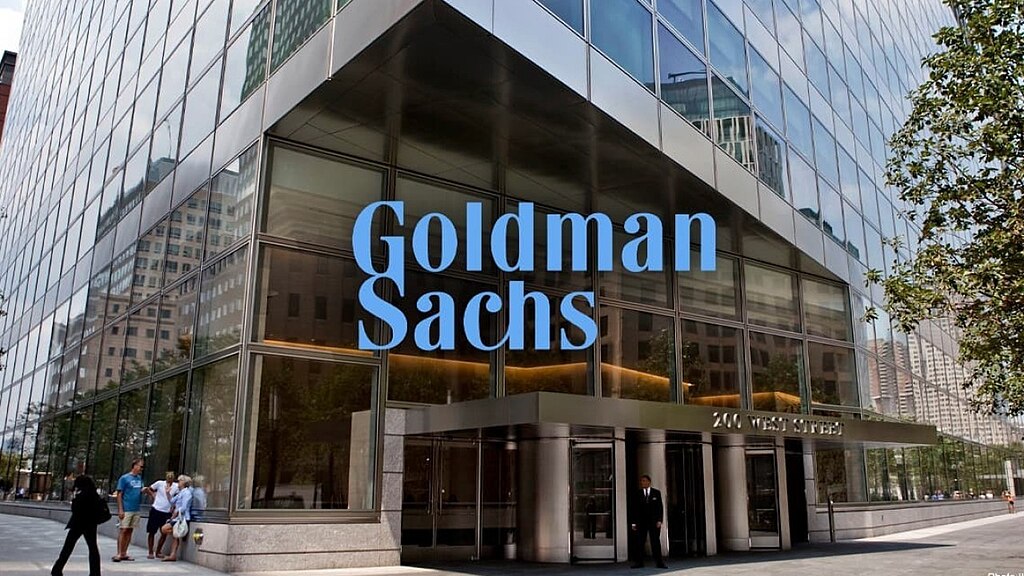
Goldman Sachs has pushed back its forecast for U.S. Federal Reserve interest rate cuts, now expecting reductions in December 2026 and March 2027 instead of the previously projected September and December 2026 cuts. The investment bank cited persistent inflation pressures driven by rising energy prices as the key reason behind the revised outlook.
The change reflects growing caution among major global brokerages regarding the Federal Reserve’s monetary policy path. As the ongoing Middle East conflict enters its 10th week, higher oil and energy costs continue to fuel inflation concerns, making policymakers hesitant to begin easing interest rates.
According to Goldman Sachs, elevated energy prices are likely to keep core Personal Consumption Expenditures (PCE) inflation closer to 3% rather than the Fed’s 2% target throughout the year. The bank stated that softer labor market conditions and weaker monthly inflation data would likely be necessary before the Federal Open Market Committee (FOMC) considers rate cuts.
The Federal Reserve kept interest rates unchanged during its April 29 meeting, maintaining the benchmark rate between 3.50% and 3.75%. The decision came in an unusually close 8-4 vote, marking the most divided outcome since 1992 and highlighting growing uncertainty among policymakers over inflation and economic growth.
Market expectations also support a prolonged pause in rate cuts. Data from the CME FedWatch Tool indicates that traders largely expect the Fed to hold rates steady through the remainder of the year.
Goldman Sachs added that if the U.S. labor market remains resilient and inflation fails to cool sufficiently, the Fed may delay easing further and implement only two final rate cuts in 2027. The brokerage expects inflation to gradually return to the Fed’s long-term 2% target by then, allowing policymakers more flexibility to loosen monetary policy.







