


 Global Financial Firms Shift Asia Expansion Focus to South Korea as China, India Face Caution
  Argentina Economy Shrinks 1.5% in April, Recovery Under Milei Loses Momentum
  Gold Price Ends Lower for Fourth Week Despite Rebound as Fed Rate Hike Bets Strengthen
  Maria Corina Machado Vows Return to Venezuela After Earthquakes Despite Obstacles
  Gold Prices Drop as Fed Rate Outlook and Iran Tensions Weigh on Market
  Trump Suspends Some Morocco Fertilizer Tariffs to Ease U.S. Supply Shortage
  Serbia President Aleksandar Vucic to Resign, Calls Early Elections After Months of Protests
  US Strikes Iran Again After Strait of Hormuz Tanker Attack Escalates Ceasefire Tensions
  Russian Attacks Kill Four in Ukraine as Zaporizhzhia and Kharkiv Come Under Fire
  China Expands Export Controls, Adds 20 Japanese Companies to Restricted List
  Economic pessimism has set in – but there are reasons for Australians to be hopeful
  Trump Announces September Overhaul of Washington’s East Potomac Golf Links
  Kakaku.com Shares Rise as Bain Capital and LY Corp Prepare Higher Takeover Bid Than EQT
  Apple Challenges India Antitrust Probe, Says CCI Copied Rivals’ Claims in App Store Case
  China Manufacturing PMI Edges Higher in June as Exports and AI Investment Boost Growth
  Canada Grants C$7 Million to Greenland Molybdenum Mine to Strengthen Critical Minerals Supply


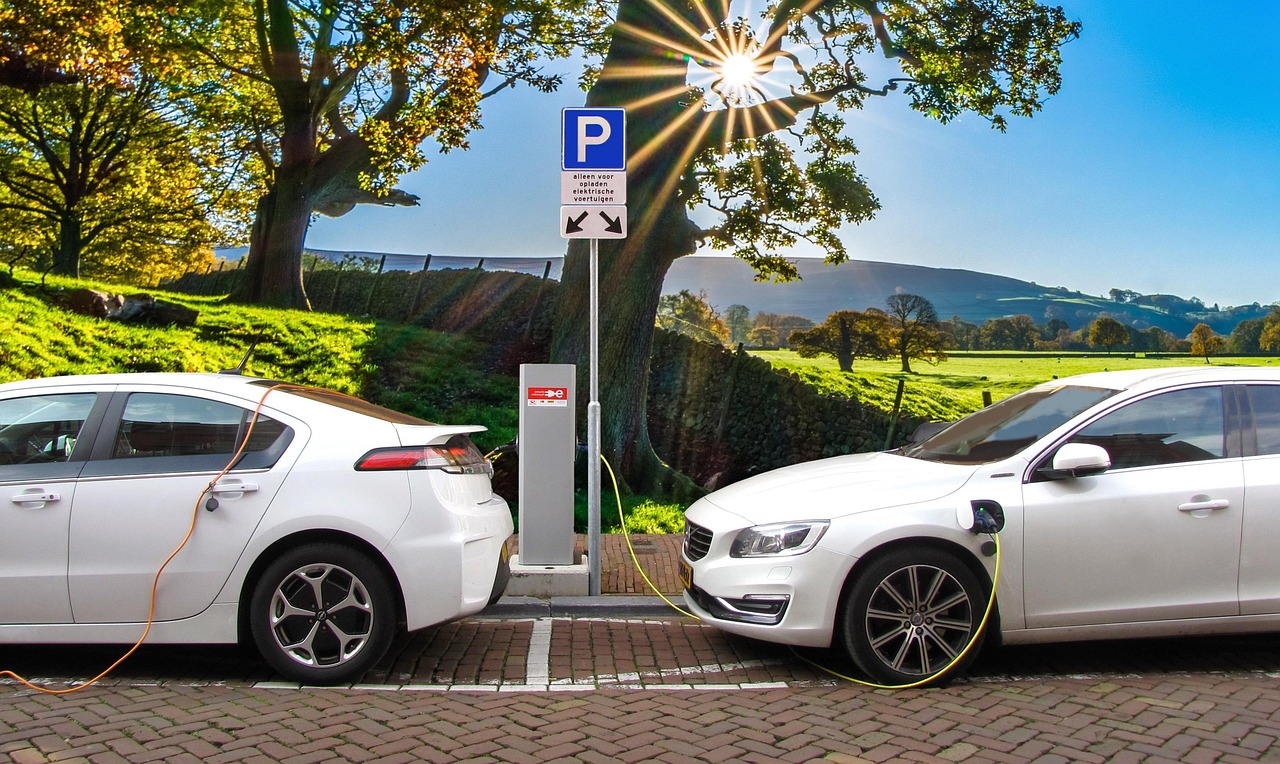
As President Donald Trump prepares for a high-profile meeting with Chinese President Xi Jinping, pressure is mounting from U.S. automakers, lawmakers, unions, and manufacturers urging the administration to keep Chinese electric vehicles out of the American auto market. Industry leaders warn that allowing Chinese automakers into the United States could threaten domestic manufacturing, national security, and long-term competitiveness.
Trump previously stated that he would welcome Chinese car companies building factories in the U.S. and creating American jobs. However, those remarks sparked concern across the automotive sector, which has spent years advocating for strict tariffs and security regulations aimed at limiting Chinese vehicle imports.
Bipartisan lawmakers from Michigan and Ohio are now pushing legislation designed to permanently block Chinese-made connected vehicles due to data privacy and cybersecurity concerns. Officials argue that modern vehicles collect vast amounts of real-time data, including driver location, infrastructure details, and movement patterns, creating potential national security risks if Chinese technology becomes integrated into U.S. transportation systems.
The proposed Connected Vehicle Security Act would strengthen restrictions initially introduced during the Biden administration. Additional legislation in the House of Representatives could also ban partnerships between American automakers and Chinese automotive firms.
Industry groups representing automakers, suppliers, dealers, and steel manufacturers have united behind the effort, warning that China’s state-backed EV industry benefits from enormous subsidies, advanced battery technology, and significantly lower production costs. Analysts say Chinese electric vehicles could rapidly dominate the U.S. market through aggressive pricing strategies.
Concerns have intensified as Chinese auto brands continue gaining market share in Europe and Mexico. In Mexico alone, more than 30 Chinese car brands now account for roughly 15% of the market, offering electric vehicles at prices far below comparable U.S. models. Experts fear a similar trend could severely damage American manufacturers already struggling with rising vehicle costs and affordability challenges.







