


 Trump Administration Dismisses Entire National Science Board, Raising Concerns Over Scientific Independence
  Russian LNG Shadow Fleet Expands Amid Arctic LNG 2 Sanctions
  U.S. Sanctions Former DR Congo President Joseph Kabila Over Rebel Support
  Australia’s Wealthy Donors Shift Support to One Nation Amid Conservative Party Decline
  Australia Launches Public Hearings on Bondi Beach Shooting and Rising Antisemitism
  Israel Expands Gaza Restricted Zones, Raising Concerns for Civilians and Aid Access
  Australia Targets Meta, Google, and TikTok With New News Payment Tax Proposal
  Brazil Pension Fund Crackdown After Banco Master Collapse Raises Investment Concerns
  Judge Delays SEC Settlement With Elon Musk Over Twitter Stock Disclosure Case
  US Sanctions Target Iran’s Shadow Banking Network and Terror Financing
  China Banks Halt New Loans to Sanctioned Refineries Amid U.S.-Iran Oil Crackdown
  Judge Rules DOGE Humanities Grant Cuts Unconstitutional
  Senate Stablecoin Bill Sparks Clash Between Banks and Crypto Industry
  Trump Administration Dismisses Entire National Science Board, Sparking Debate Over Scientific Independence
  Trump Says U.S. Navy Destroyers Passed Strait of Hormuz Under Iranian Fire
  US Adds European Union to Section 301 Watchlist Amid Trade Concerns
  U.S. Flags Vietnam as “Priority Foreign Country” Over Intellectual Property Concerns


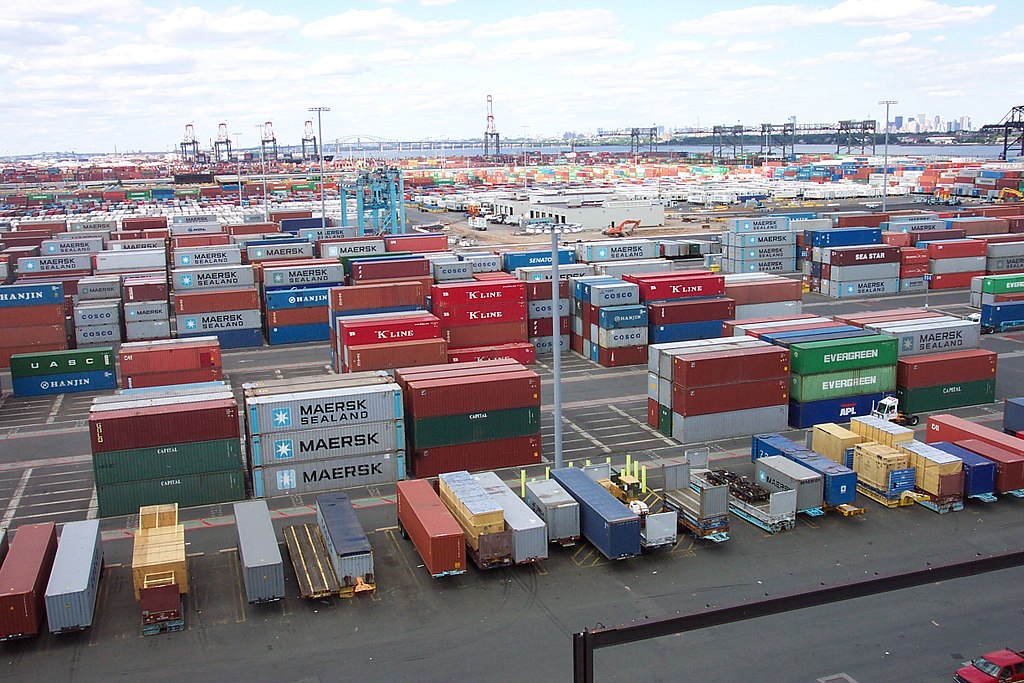
The United States is considering imposing tariffs of up to 100% on Nicaraguan goods following a finding that the country’s labor and human rights policies are “unreasonable” and detrimental to U.S. commerce. The Office of the U.S. Trade Representative (USTR) announced the results of a Section 301 investigation launched in December 2024 during the final days of President Joe Biden’s administration. The decision on whether to implement the tariffs now rests with President Donald Trump.
According to the USTR, Nicaragua’s government, led by President Daniel Ortega and Vice President Rosario Murillo, has engaged in “widespread abuses of labor rights and fundamental freedoms.” These include the use of child and forced labor, human trafficking, suppression of labor unions, arbitrary detentions, and stripping union members of their citizenship. The agency stated that these violations have dismantled the rule of law and created unfair conditions for trade.
The proposed measures include tariffs of up to 100% on Nicaraguan imports and suspension of trade benefits under the Central America-Dominican Republic Free Trade Agreement (CAFTA-DR). Since joining the agreement in 2006, Nicaragua has benefited from zero tariffs on consumer goods, manufactured products, and more than half of its agricultural exports to the U.S. Losing these benefits would force Nicaraguan exports to revert to “Most Favored Nation” tariff rates, significantly raising costs for U.S. importers.
In 2024, the U.S. imported $4.6 billion in goods from Nicaragua, resulting in a $1.9 billion trade deficit. The USTR is currently seeking public and industry feedback on the proposed actions, with comments accepted until November 19.
If fully implemented, the new tariffs could reshape U.S.-Nicaragua trade relations and further isolate the Ortega-Murillo regime amid growing global criticism of its authoritarian practices.







