


 China-Made Fireworks Power U.S. Independence Day Celebrations Amid Trade Truce
  Israel’s Secret Iraq Base Allegedly Supported Iran Air Campaign, WSJ Reports
  Trump Invites Top CEOs Including Nvidia, Apple, Boeing to China Summit With Xi Jinping
  US Revises UN Resolution on Iran Strait of Hormuz Attacks Amid Russia-China Opposition
  Mexico President Claudia Sheinbaum Reconsiders Early School Closure Plan Ahead of 2026 World Cup
  Russia Accuses Ukraine of Ceasefire Violations Amid Drone and Artillery Attacks
  China Banks Halt New Loans to Sanctioned Refineries Amid U.S.-Iran Oil Crackdown
  US Sanctions Target Iran’s Shadow Banking Network and Terror Financing
  Israel Expands Gaza Restricted Zones, Raising Concerns for Civilians and Aid Access
  U.S. Flags Vietnam as “Priority Foreign Country” Over Intellectual Property Concerns
  White House Withdraws Trump’s National Park Service Nominee Amid Criticism
  Ghana Rejects U.S. Health Deal Over Data Sharing Concerns Amid Foreign Aid Shift
  U.S. Fast-Tracks $8.6 Billion Arms Sales to Middle East Allies Amid Rising Tensions
  Pope Leo Calls for Peace as Vatican Seeks Better Ties With U.S.
  CDC Monitors U.S. Travelers After Hantavirus Outbreak on Luxury Cruise Ship
  Vietnam Plans AI-Driven Propaganda Push With Influencers and Podcasts
  Trump Administration Dismisses Entire National Science Board, Raising Concerns Over Scientific Independence


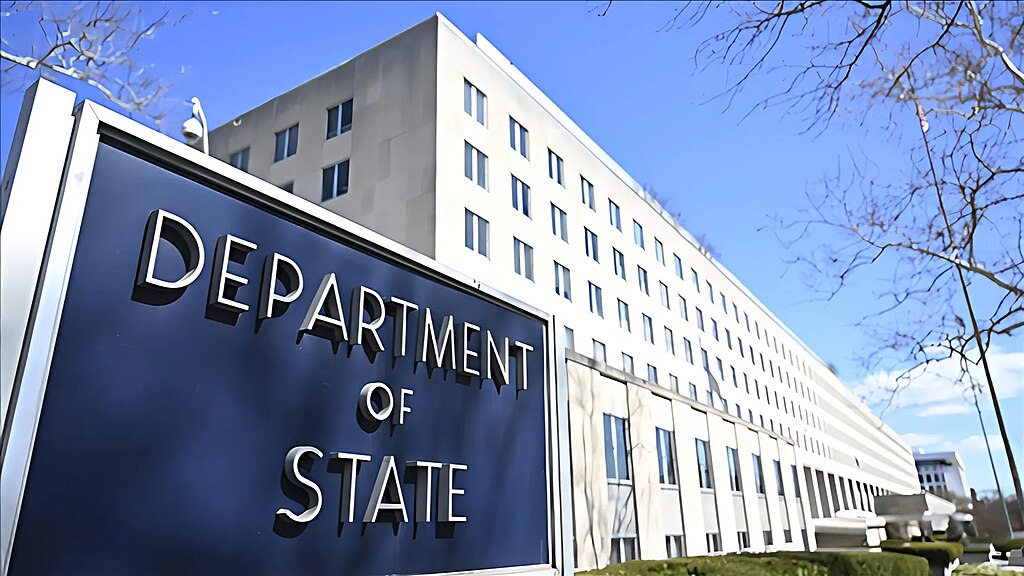
The United States has relaxed restrictions on exporting advanced military drones, including the MQ-9 “Reaper,” after Secretary of State Marco Rubio approved a reinterpretation of export control policies. The State Department confirmed that drones will now be classified like fighter jets such as the F-16, instead of missile systems, allowing the U.S. to bypass limitations from the 1987 Missile Technology Control Regime (MTCR).
This policy shift paves the way for sales to allies like the United Arab Emirates, Eastern European nations, and Pacific partners who have struggled to acquire U.S. drones under previous rules. Most notably, it unlocks a pending Saudi Arabian request for over 100 MQ-9 drones, part of a potential $142 billion arms package announced earlier this year. Several European and Asian allies are also expected to express interest in the upgraded export framework.
The change benefits leading American drone manufacturers such as General Atomics, Kratos, and Anduril, which can now market their unmanned aerial vehicles as “foreign military sales.” This streamlined process makes U.S. drones more competitive in a market dominated by Israeli, Chinese, and Turkish suppliers, who often face lighter restrictions.
The MTCR was originally designed to limit long-range missile proliferation. Military drones, which later emerged as powerful tools for surveillance and strike missions, were categorized under the same guidelines due to their ability to fly long distances and carry weapons. With growing global demand for combat drones, Washington’s updated policy gives American firms an edge in securing contracts with strategic partners while strengthening U.S. defense ties abroad.
By aligning drone exports with fighter jet sales, the U.S. positions itself to expand influence in global arms markets and counter the rapid rise of rival drone producers.







