


 U.S. Supreme Court to Review Trump Administration Appeal on Immigrant Detention Without Bond Hearings
  JD Vance Says Britain Needs Major Political Change as Leadership Transition Looms
  Michigan Senate Race Narrows as Mallory McMorrow Ends Democratic Campaign
  DOJ Clears Paramount Skydance-Warner Bros. Discovery Merger Without Conditions
  Trump Threatens ABC News Lawsuit Over Lincoln Memorial Reflecting Pool Coverage
  FIFA Suspends Balogun Ban, Clears U.S. Striker for Belgium World Cup Clash
  Bayer Wins Major U.S. Supreme Court Roundup Lawsuit, Shares Surge
  Trump Marks America’s 250th Anniversary With National Mall Rally Amid Political Divide
  Brazil Supreme Court Convicts Eduardo Bolsonaro Over U.S. Lobbying Efforts
  Sara Duterte Impeachment Trial Opens, Putting 2028 Philippine Election in Focus
  UN Rights Council Launches Sudan Probe Over RSF Violence in al-Obeid
  Iran Holds State Funeral for Ali Khamenei as Security Fears Shape Succession
  Australian PM Anthony Albanese Apologizes After Kylie Minogue Podcast Remarks Spark Backlash
  Israeli Airstrike Kills Two in Gaza City as Ceasefire Violations and Truce Talks Persist
  Russia Strikes Kyiv as Ukraine Faces Patriot Missile Shortage Before NATO Summit
  Kim Jong Un Oversees North Korea Destroyer Missile Tests, Orders Rapid Naval Deployment


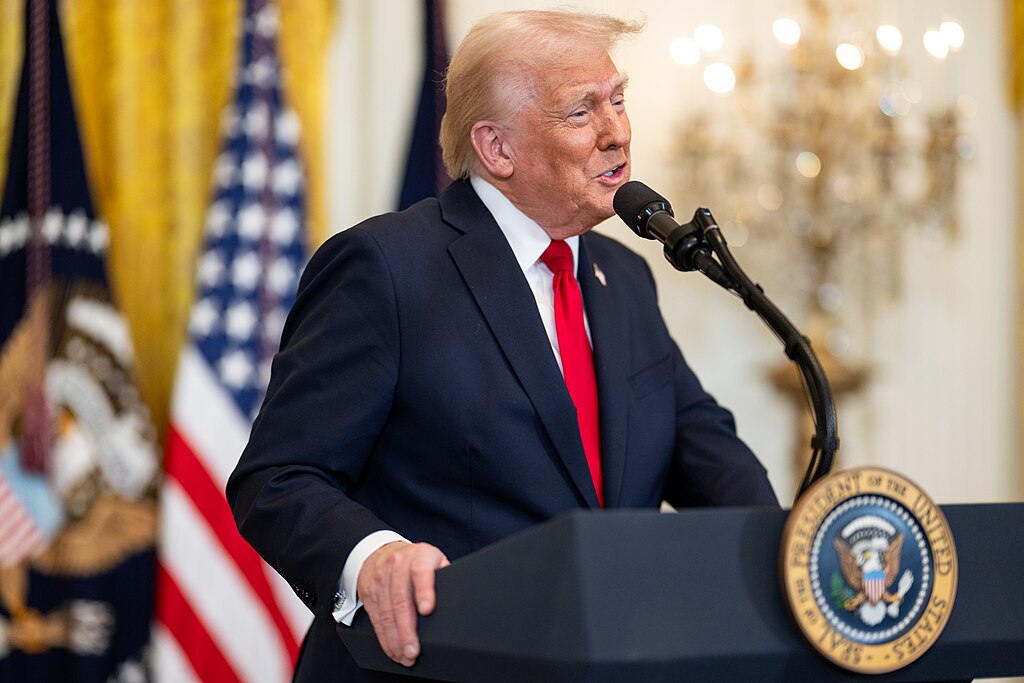
A U.S. appeals court has ruled that President Donald Trump had the authority to dismiss Democratic members of two major federal labor boards, marking a significant win for efforts to expand presidential control over traditionally independent agencies. In a 2-1 decision, the U.S. Court of Appeals for the District of Columbia Circuit found that federal laws shielding members of the National Labor Relations Board (NLRB) and the Merit Systems Protection Board (MSPB) from removal except for cause were unconstitutional.
Judge Gregory Katsas, joined by Judge Justin Walker—both Trump appointees—wrote that because these boards wield “substantial executive power,” they must remain accountable to the president. Judge Florence Pan dissented, arguing that Congress intentionally created independent agencies to keep politics out of critical oversight functions, warning that the ruling could undermine the legality of many similar agencies.
The decision reverses earlier district court rulings that reinstated Cathy Harris to the MSPB and Gwynne Wilcox to the NLRB, both of whom Trump removed without the legally required cause. The Supreme Court had previously paused those rulings and is set to hear a related case involving the president’s power to fire a Federal Trade Commission member—an outcome that could influence future limits on executive authority.
The White House welcomed the appeals court’s decision, calling it a major victory for presidential oversight. Critics, however, warn that dismantling protections for board members could give the president unprecedented control over federal regulation in areas such as labor, trade, antitrust, and consumer safety.
The removal of Harris and Wilcox temporarily stalled both labor boards, already strained by vacancies, but the Senate recently confirmed a Trump nominee to restore the MSPB’s quorum. Additional NLRB nominees are awaiting approval. Legal analysts continue to monitor the rapidly evolving situation, noting its potentially far-reaching implications for the structure and independence of the federal bureaucracy.







