


 Morgan Stanley Bets on Optical Component Stocks in Greater China Tech Sector
  Trump Expands Cuba Sanctions Targeting Key Sectors and Foreign Entities
  Broadcom Eyes $35 Billion AI Chip Financing Deal With Apollo and Blackstone
  Shell Q1 Profit Surges to Two-Year High as Dividend Rises Despite War-Driven Debt Pressure
  Novo Nordisk Raises 2026 Outlook on Strong Wegovy Demand
  Rubio Approves $25.8 Billion Weapons Sale to Middle East Allies
  Panama Defends Port Takeover Amid U.S.-China Tensions and Canal Dispute
  White House Withdraws Trump’s National Park Service Nominee Amid Criticism
  Federal and State Authorities Conduct Widespread Fraud Raids Across Minnesota
  Ghana Rejects U.S. Health Deal Over Data Sharing Concerns Amid Foreign Aid Shift
  Trump Administration Dismisses Entire National Science Board, Raising Concerns Over Scientific Independence
  US Sanctions Target Iran’s Shadow Banking Network and Terror Financing
  US House Advances $70 Billion Immigration Enforcement Budget Plan
  New York Moves to Ban Masked Law Enforcement During Immigration Operations
  Dominican Republic Halts GoldQuest Mining Project Amid Environmental Protests
  U.S. Budget Airlines Seek $2.5 Billion Government Aid Amid Rising Jet Fuel Costs
  FEMA Reinstates Employees After Dissent Letter, Signaling Shift in Workforce Stability


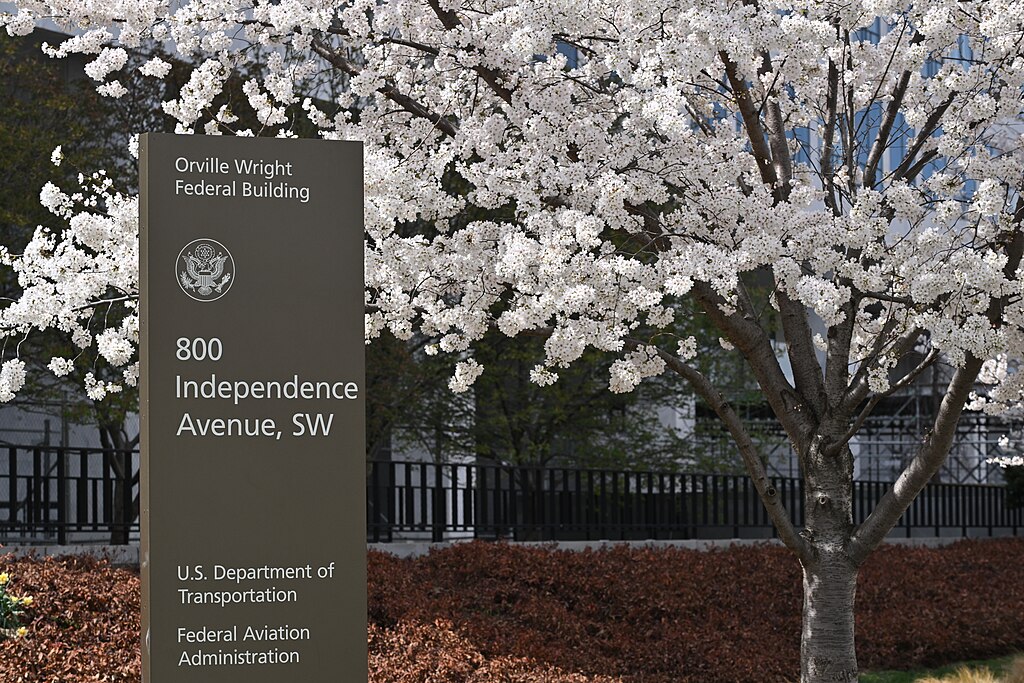
U.S. airlines are scrambling to adjust schedules and assist worried passengers after the Trump administration ordered significant flight reductions at major airports due to a shortage of air traffic controllers during the nation’s longest government shutdown. Starting Friday, the Federal Aviation Administration (FAA) will require airlines to cut 4% of domestic flights daily through Monday, escalating to 10% by November 14. The directive affects 40 major U.S. airports, including those in New York, Los Angeles, and Chicago, though international flights remain unaffected.
Aviation analytics firm Cirium estimates up to 1,800 flight cancellations daily, cutting 268,000 seats. While the low-demand season allows some flexibility, the disruption still impacts hundreds of thousands of travelers. Airlines such as American, Delta, United, and Southwest are canceling hundreds of flights, focusing primarily on regional routes to minimize passenger inconvenience. American Airlines, for instance, will cancel about 220 daily flights, while Delta expects around 170 cancellations on Friday. United and Southwest will cut fewer than 200 and 120 flights respectively.
Airlines are attempting to offset disruptions by deploying larger aircraft and offering passengers more flexibility, including full refunds for cancellations. However, the Department of Transportation clarified that airlines are not required to cover hotel or meal costs since the cancellations stem from government-related issues.
The FAA justified the cuts after a safety review found severe staffing shortages, with absenteeism exceeding 30% at some airports. More than 13,000 air traffic controllers and 50,000 security staff are currently working unpaid, worsening delays and passenger frustration. Analysts say the impact on airline earnings will remain limited unless the shutdown extends into the busy Thanksgiving travel period.
Despite the chaos, the FAA insists air travel remains safe, but the ongoing shutdown threatens to derail consumer confidence and weaken holiday travel demand.







