


 Australia, Vanuatu Sign Security Pact Amid Pacific Influence Competition
  Taiwan Coast Guard Officer Finds Strength in Faith as China Increases Pressure in Taiwan Strait
  Russian Attacks Kill Four in Ukraine as Zaporizhzhia and Kharkiv Come Under Fire
  Supreme Court Backs Lisa Cook, Defends Federal Reserve Independence Against Trump Firing Attempt
  Javier Milei Cabinet Chief Manuel Adorni Resigns Amid Spending Scandal Investigation
  Russian Attacks on Dnipro, Zaporizhzhia, and Kharkiv Kill 10 as Ukraine Vows Response
  Australia Plans Higher Fines for Social Media Firms Failing to Block Underage Users
  Andy Burnham Sets Out Vision to Decentralize Britain as Labour Leadership Race Begins
  Trump Threatens 100% Tariffs on Countries Imposing Digital Services Taxes on U.S. Tech Firms
  Canada Grants C$7 Million to Greenland Molybdenum Mine to Strengthen Critical Minerals Supply
  China Expands Export Controls, Adds 20 Japanese Companies to Restricted List
  Iran Launches Drone Attack on Bahrain After U.S. Strikes, Strait of Hormuz Tensions Escalate
  Trump Urges Gasoline Retailers to Cut Prices to $2.50 Per Gallon, Warns of Legal Action
  Mexico, U.S. Launch Sterile Fly Facility to Combat New World Screwworm Outbreak
  Maria Corina Machado’s Return to Venezuela Faces U.S. Hesitation After Deadly Earthquakes
  Serbia President Aleksandar Vucic to Resign, Calls Early Elections After Months of Protests
  Trump Suspends Some Morocco Fertilizer Tariffs to Ease U.S. Supply Shortage


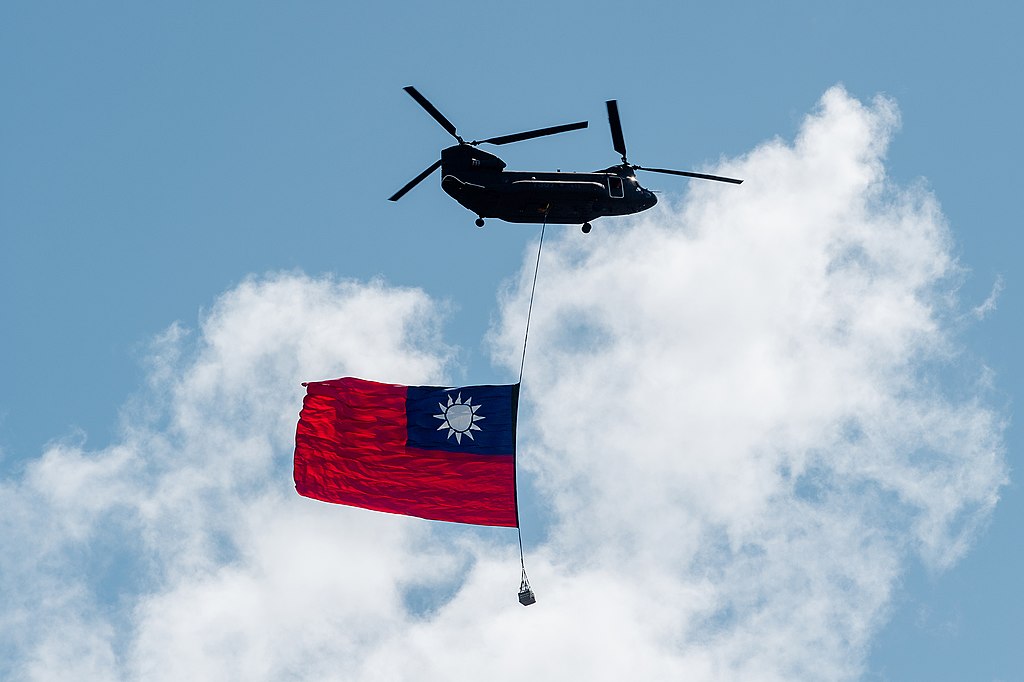
Taiwan independence remains a highly debated issue in global politics, especially as tensions between China and the United States continue to shape international relations. The topic is expected to feature prominently in upcoming diplomatic discussions, including a planned summit between U.S. President Donald Trump and Chinese President Xi Jinping in Beijing.
Taiwan, officially known as the Republic of China (ROC), has a complex history that influences today’s geopolitical landscape. The island was originally inhabited by indigenous communities before being colonized by European powers in the 17th century. It later became part of China’s Qing dynasty and was ceded to Japan in 1895 after a war. Following World War II, Taiwan returned to Chinese control, but political divisions deepened after 1949 when the ROC government relocated to Taiwan after losing the Chinese Civil War to Communist forces.
Today, Taiwan operates as a self-governing democracy with its own military, currency, and political system, effectively functioning as an independent nation. However, its sovereignty is not widely recognized globally. Only a small number of countries maintain formal diplomatic ties with Taipei, while many others, including the United States, uphold unofficial relations under the “One China” policy.
China views Taiwan as a breakaway province and has not ruled out the use of force to achieve reunification. Beijing has proposed a “one country, two systems” framework, though this idea has little support among Taiwanese citizens. Public opinion in Taiwan generally favors maintaining the current status quo rather than declaring formal independence.
Declaring a formal “Republic of Taiwan” would be politically difficult, requiring constitutional changes and significant legislative support. Taiwan’s current leadership maintains that it is already a sovereign state, while China continues to oppose any moves toward official independence.
As geopolitical tensions rise, Taiwan independence remains a critical issue influencing global markets, security policies, and international diplomacy.







