


 Sheinbaum Says No One Is Above the Law After Abuse Video of Ex-Pemex Chief Emerges
  Supreme Court Backs Lisa Cook, Defends Federal Reserve Independence Against Trump Firing Attempt
  Trump Suspends Some Morocco Fertilizer Tariffs to Ease U.S. Supply Shortage
  Trump Threatens 100% Tariffs on Countries Imposing Digital Services Taxes on U.S. Tech Firms
  Iran Launches Drone Attack on Bahrain After U.S. Strikes, Strait of Hormuz Tensions Escalate
  Andy Burnham Sets Out Vision to Decentralize Britain as Labour Leadership Race Begins
  Mexico, U.S. Launch Sterile Fly Facility to Combat New World Screwworm Outbreak
  Trump Urges Gasoline Retailers to Cut Prices to $2.50 Per Gallon, Warns of Legal Action
  Israeli Airstrike Kills Three in Central Gaza Despite Ceasefire
  Russian Attacks Kill Four in Ukraine as Zaporizhzhia and Kharkiv Come Under Fire
  Serbia President Aleksandar Vucic to Resign, Calls Early Elections After Months of Protests
  Russian Attacks on Dnipro, Zaporizhzhia, and Kharkiv Kill 10 as Ukraine Vows Response
  Ukraine Strikes Russian Titan-Barrikady Plant With Long-Range FP-5 Flamingo Missile
  Russia Intensifies Assault on Kostiantynivka as Ukraine’s Donetsk Defense Faces Mounting Pressure
  Javier Milei Cabinet Chief Manuel Adorni Resigns Amid Spending Scandal Investigation
  Maria Corina Machado Vows Return to Venezuela After Earthquakes Despite Obstacles
  Trump Announces September Overhaul of Washington’s East Potomac Golf Links


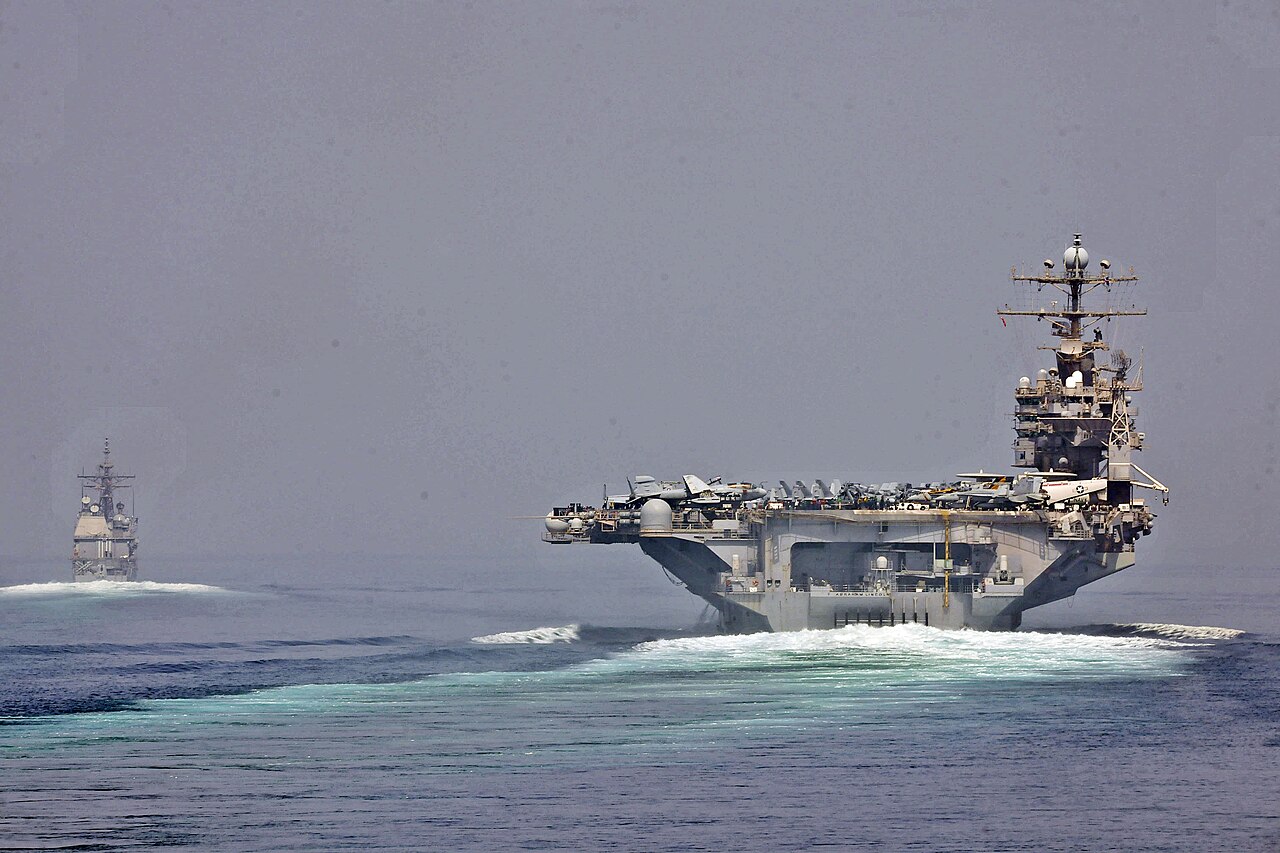
The United States is urging allied nations to support a new international initiative aimed at safeguarding navigation through the Strait of Hormuz, a critical global shipping route that has recently experienced disruptions. According to a report by the Wall Street Journal, the proposed alliance—referred to as the “Maritime Freedom Construct”—is designed to ensure the continued flow of maritime traffic in one of the world’s most strategically important waterways.
The Strait of Hormuz plays a vital role in global energy supply chains, with a significant portion of the world’s oil shipments passing through it daily. Any interruption in this narrow corridor can have immediate and far-reaching effects on international markets, oil prices, and global trade stability. Recent tensions and stalled ship movements have heightened concerns among policymakers and industry leaders, prompting the United States to take proactive measures.
The Maritime Freedom Construct would reportedly focus on improving coordination among participating countries by sharing intelligence, strengthening diplomatic collaboration, and enforcing international sanctions where necessary. The initiative reflects Washington’s broader strategy to maintain maritime security and protect freedom of navigation in key regions.
While details of the coalition are still emerging, the plan underscores the importance of multilateral cooperation in addressing maritime threats and ensuring safe passage for commercial vessels. By bringing together partner nations, the United States aims to create a unified response to potential disruptions, thereby enhancing stability in the Strait of Hormuz.
Reuters noted that it has not independently verified the Wall Street Journal’s report, and official confirmation from the U.S. State Department is still pending. However, the proposal signals a growing emphasis on international collaboration to address evolving geopolitical challenges and secure critical shipping lanes.
As global dependence on uninterrupted maritime trade continues to rise, initiatives like the Maritime Freedom Construct could play a key role in maintaining economic stability and reinforcing international security frameworks.







