


 Germany Rejects Putin’s Proposal for Schroeder to Mediate Ukraine Peace Talks
  Trump Administration Releases New UFO Files and Apollo Mission Records
  New York Moves to Ban Masked Law Enforcement During Immigration Operations
  US Sanctions Target Iran’s Shadow Banking Network and Terror Financing
  Qatar Condemns Drone Strike as Iran Conflict Threatens Gulf Shipping and Global Markets
  Qatar LNG Tanker Crosses Strait of Hormuz Amid Iran War Tensions
  Senate Stablecoin Bill Sparks Clash Between Banks and Crypto Industry
  U.S. Fast-Tracks $8.6 Billion Arms Sales to Middle East Allies Amid Rising Tensions
  US to Withdraw 5,000 Troops from Germany Amid Growing Rift with European Allies
  Panama Defends Port Takeover Amid U.S.-China Tensions and Canal Dispute
  Trump Inspects Lincoln Memorial Reflecting Pool Renovation in Washington
  U.S., South Korea Launch Shipbuilding Partnership Initiative
  Russian LNG Shadow Fleet Expands Amid Arctic LNG 2 Sanctions
  Iran Military Readiness Intensifies After Meeting With Mojtaba Khamenei
  CDC Monitors U.S. Travelers After Hantavirus Outbreak on Luxury Cruise Ship
  U.S. Sanctions Former DR Congo President Joseph Kabila Over Rebel Support
  Trump Expands Cuba Sanctions Targeting Key Sectors and Foreign Entities


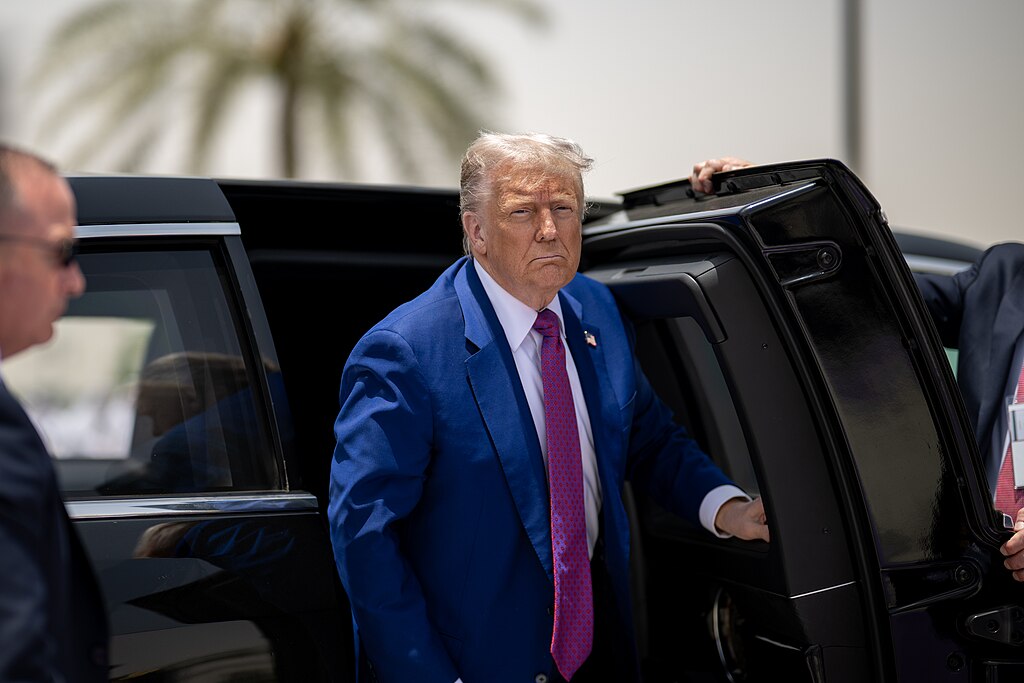
U.S. President Donald Trump announced Monday that he may declare a national emergency and federalize Washington, D.C. after Mayor Muriel Bowser confirmed the city’s police will not cooperate with Immigration and Customs Enforcement (ICE). The clash highlights tensions over immigration enforcement and federal authority, with critics calling Trump’s move an overreach.
The dispute centers on whether local authorities must provide information on individuals living in or entering the country illegally. Trump accused “Radical Left Democrats” of pressuring Bowser to defy ICE cooperation, further intensifying the standoff between the White House and D.C. leadership.
Earlier this month, thousands of protesters marched in the capital opposing Trump’s August deployment of National Guard troops. The president justified the deployment as necessary to restore “law, order, and public safety,” pointing to crime as a “blight” on the city. On Truth Social, Trump praised the results, claiming D.C. had become “absolutely booming” with “virtually no crime” for the first time in decades.
The National Guard’s role remains a key issue. While state governors typically control their respective Guard units, the D.C. National Guard is unique in reporting directly to the president. Trump’s comments suggest he could take full command to enforce immigration policies and override local resistance.
The potential federalization of Washington raises questions about the balance of power between local governance and federal authority. Opponents argue that forcing D.C. police to align with ICE undermines local autonomy, while supporters say it strengthens national security.
As the debate unfolds, the conflict between Trump and Bowser underscores broader national divisions over immigration policy, law enforcement, and federal control of the nation’s capital.







