


 CDC Monitors U.S. Travelers After Hantavirus Outbreak on Luxury Cruise Ship
  US Sanctions Target Iran’s Shadow Banking Network and Terror Financing
  Trump Announces Russia-Ukraine Ceasefire for May 9-11 Amid Ongoing Peace Talks
  Germany Rejects Putin’s Proposal for Schroeder to Mediate Ukraine Peace Talks
  US Adds European Union to Section 301 Watchlist Amid Trade Concerns
  U.S. Flags Vietnam as “Priority Foreign Country” Over Intellectual Property Concerns
  Brazil Pension Fund Crackdown After Banco Master Collapse Raises Investment Concerns
  Trump Reportedly Approves Plan to Remove FDA Commissioner Marty Makary Amid Growing Controversies
  TikTok Nears $400 Million Settlement With Trump Administration Over Child Privacy Lawsuit
  US to Withdraw 5,000 Troops from Germany Amid Growing Rift with European Allies
  Russian LNG Shadow Fleet Expands Amid Arctic LNG 2 Sanctions
  Australia’s Wealthy Donors Shift Support to One Nation Amid Conservative Party Decline
  FEMA Reinstates Employees After Dissent Letter, Signaling Shift in Workforce Stability
  Panama Defends Port Takeover Amid U.S.-China Tensions and Canal Dispute
  Russia Accuses Ukraine of Ceasefire Violations Amid Drone and Artillery Attacks
  China Banks Halt New Loans to Sanctioned Refineries Amid U.S.-Iran Oil Crackdown
  Vietnam Plans AI-Driven Propaganda Push With Influencers and Podcasts


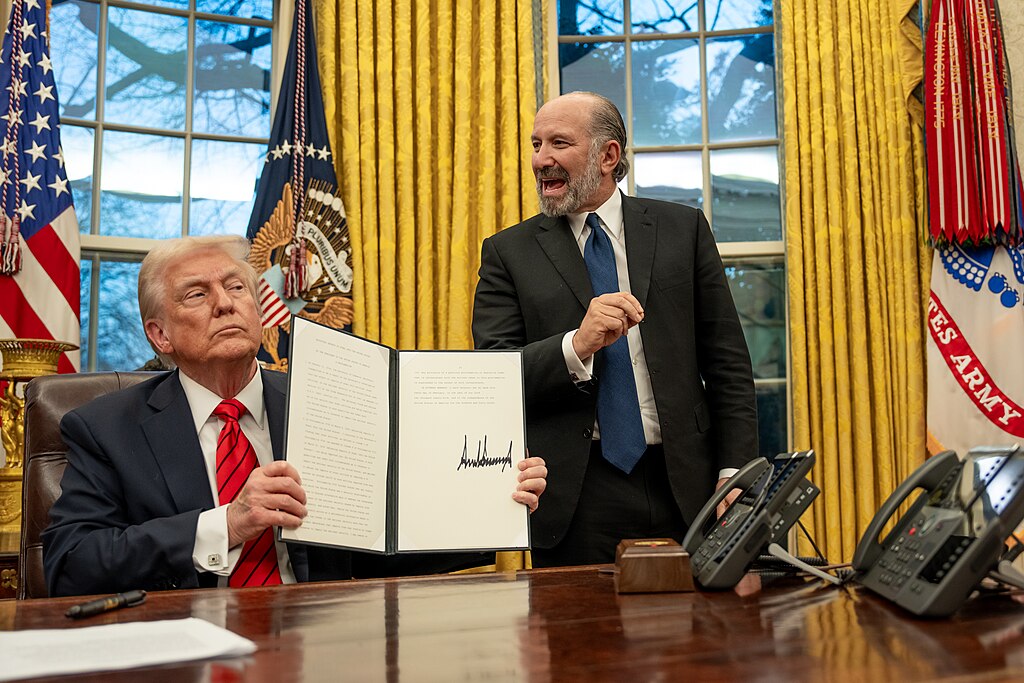
The Trump administration announced plans to impose a $100,000 annual fee on companies employing foreign workers through the H-1B visa program, a move that could reshape the U.S. technology workforce. The proposal, part of Trump’s broader immigration crackdown, targets firms relying on skilled workers from India and China, who make up the majority of H-1B visa holders. India alone accounted for 71% of approvals last year, followed by China at nearly 12%.
Commerce Secretary Howard Lutnick said the new cost would apply annually for each of the three years the visa is valid. While details remain under consideration, the potential cost increase has raised concerns that startups and smaller tech firms could be disproportionately affected. Major companies like Amazon, Microsoft, and Meta, which received thousands of approvals in the first half of 2025, could also face multimillion-dollar expenses.
Critics argue that higher fees may push companies to relocate jobs abroad, weakening America’s position in the global technology and artificial intelligence race. Supporters of the crackdown claim the H-1B program suppresses U.S. wages and sidelines American workers. However, industry leaders, including Tesla’s Elon Musk, warn that restricting access to international talent risks stifling innovation and competitiveness.
Shares of companies heavily dependent on H-1B workers, such as Cognizant, Infosys, and Wipro, fell sharply following the announcement. Immigration experts also question the legality of such steep fees, noting that current law only allows charges to cover administrative costs. Traditionally, employers pay several thousand dollars per visa, far below the proposed $100,000 rate.
The administration also introduced a “gold card” program offering U.S. permanent residency for $1 million, further fueling debate over the future of America’s immigration and talent policies.







