


 Senate Stablecoin Bill Sparks Clash Between Banks and Crypto Industry
  Trump Inspects Lincoln Memorial Reflecting Pool Renovation in Washington
  Trump Reportedly Approves Plan to Remove FDA Commissioner Marty Makary Amid Growing Controversies
  Rubio Presses Italy Over Iran Support as Tensions Test U.S.-Italy Alliance
  Mexico President Claudia Sheinbaum Reconsiders Early School Closure Plan Ahead of 2026 World Cup
  Lula and Trump Talks Signal New Phase in Brazil-US Relations
  Judge Rules Use of Military Lawyers in Civilian Prosecutions Is Lawful
  U.S., South Korea Launch Shipbuilding Partnership Initiative
  Panama Defends Port Takeover Amid U.S.-China Tensions and Canal Dispute
  Australia’s Wealthy Donors Shift Support to One Nation Amid Conservative Party Decline
  Israel Expands Gaza Restricted Zones, Raising Concerns for Civilians and Aid Access
  New York Moves to Ban Masked Law Enforcement During Immigration Operations
  Google Secures Pentagon AI Deal for Classified Projects
  U.S. Sanctions Former DR Congo President Joseph Kabila Over Rebel Support
  Germany Rejects Putin’s Proposal for Schroeder to Mediate Ukraine Peace Talks
  Judge Delays SEC Settlement With Elon Musk Over Twitter Stock Disclosure Case
  US Revises UN Resolution on Iran Strait of Hormuz Attacks Amid Russia-China Opposition


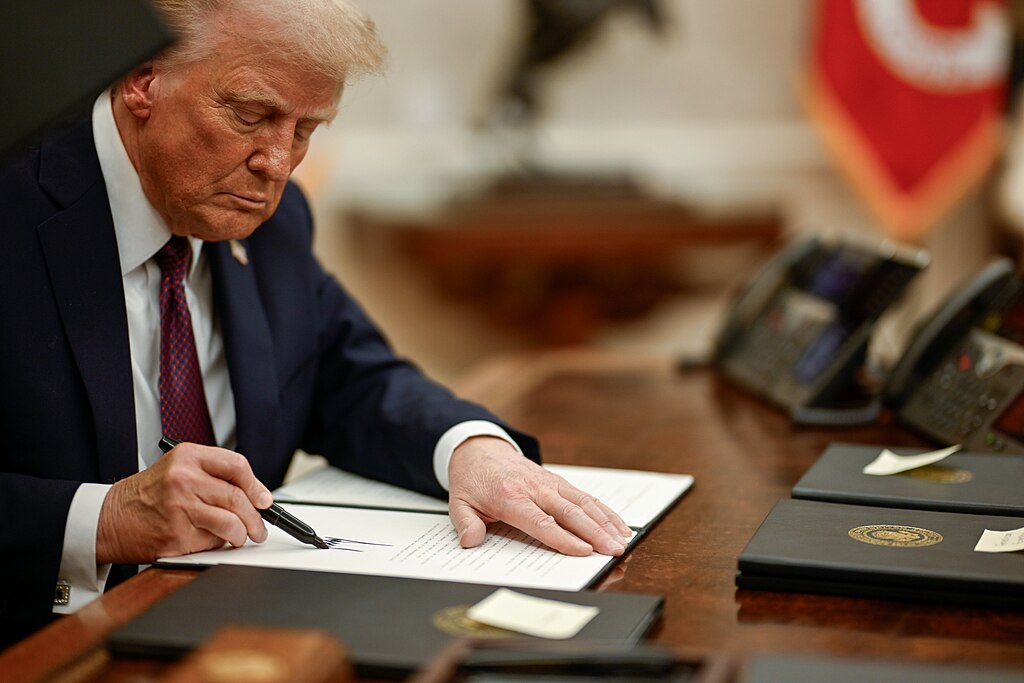
President Donald Trump has signed a new immigration order barring entry to nationals from 12 countries, citing national security and visa overstay concerns. The affected countries include Afghanistan, Burma, Chad, the Republic of the Congo, Equatorial Guinea, Eritrea, Haiti, Iran, Libya, Somalia, Sudan, and Yemen.
In a statement posted on Truth Social, Trump said the move was prompted by a recent terror attack in Boulder, Colorado. The attacker, born in Egypt, had entered the U.S. on a tourist visa in 2022, later applied for asylum, and remained in the country illegally after his work authorization expired. Trump blamed weak immigration enforcement and inadequate vetting for the incident.
The proclamation also imposes partial entry restrictions on nationals from seven additional countries: Burundi, Cuba, Laos, Sierra Leone, Togo, Turkmenistan, and Venezuela. Trump cited either national security threats or high visa overstay rates as justification for the restrictions.
Trump emphasized that individuals who overstay visas or exploit temporary legal pathways present “extreme dangers” to the country. He stated, “We don’t want them,” while criticizing the Biden administration for its handling of immigration enforcement.
This latest directive is part of Trump’s broader immigration crackdown, which has included sweeping arrests and deportations. It also revives elements of his first-term travel ban, which targeted several Muslim-majority nations and was later repealed by President Joe Biden, who called it discriminatory.
Trump’s renewed immigration policies are expected to be a central focus of his 2024 campaign, appealing to voters concerned about border security and illegal immigration.
This order marks a significant step in Trump's ongoing efforts to reshape U.S. immigration policy and tighten entry requirements amid rising concerns over national safety and visa abuse.







