


 US Trade Court Blocks Trump’s 10% Global Tariffs
  U.S. Sanctions Former DR Congo President Joseph Kabila Over Rebel Support
  Japan’s Yen Intervention and BOJ Rate Hike Bets Support Currency Recovery
  Senate Stablecoin Bill Sparks Clash Between Banks and Crypto Industry
  Panama Defends Port Takeover Amid U.S.-China Tensions and Canal Dispute
  U.S. Budget Airlines Seek $2.5 Billion Government Aid Amid Rising Jet Fuel Costs
  Ghana Rejects U.S. Health Deal Over Data Sharing Concerns Amid Foreign Aid Shift
  Russian LNG Shadow Fleet Expands Amid Arctic LNG 2 Sanctions
  Australia Launches Public Hearings on Bondi Beach Shooting and Rising Antisemitism
  China Export Growth Surges in April as Global Buyers Rush to Secure Supplies
  Trump Administration Dismisses Entire National Science Board, Raising Concerns Over Scientific Independence
  Mexico President Claudia Sheinbaum Reconsiders Early School Closure Plan Ahead of 2026 World Cup
  Iran-U.S. Peace Deal Near as Oil Prices Fall and Nuclear Disputes Persist
  S&P 500, Nasdaq Hit Record Highs as AI Stocks Rally and Strong Jobs Data Boost Confidence
  Russia Downs Over 50 Drones Near Moscow Ahead of Victory Day Ceasefire
  Rubio Presses Italy Over Iran Support as Tensions Test U.S.-Italy Alliance
  Oil Prices Rebound Slightly After Sharp Drop on Iran Deal Hopes


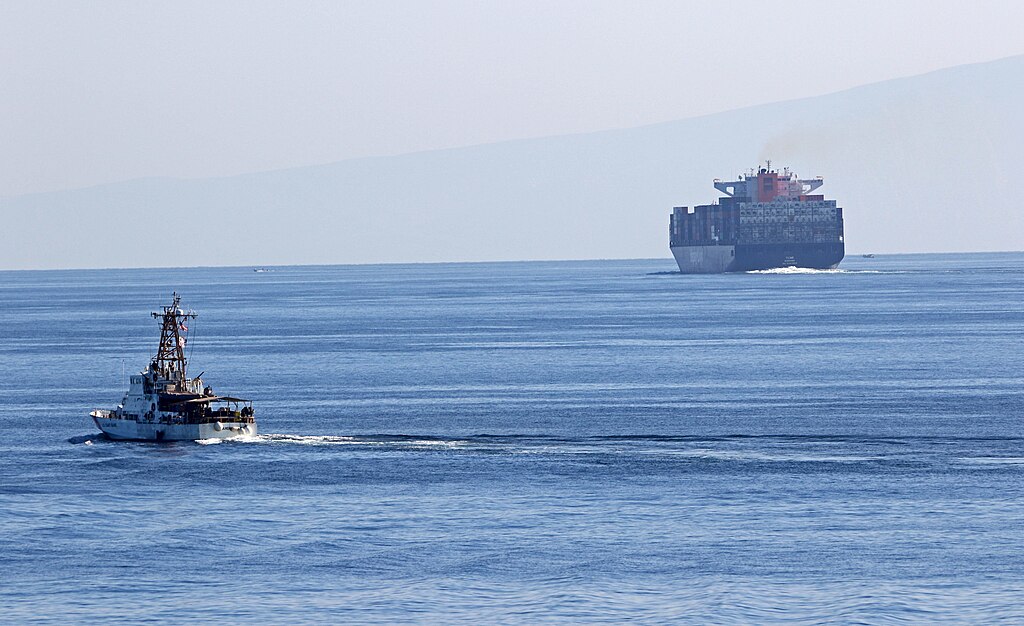
President Donald Trump escalated U.S. military pressure on Iran Saturday, delivering a stark 48-hour ultimatum demanding Tehran fully reopen the Strait of Hormuz or face devastating strikes on the country's largest power plants. The warning, posted on social media, threatened the "obliteration" of Iran's civilian energy infrastructure if the strategic waterway remains blocked.
The ultimatum comes amid weeks of mounting maritime instability that has effectively shut down one of the world's most critical oil shipping lanes. The Strait of Hormuz serves as the primary transit corridor for roughly 20% of global crude oil and liquefied natural gas supplies, making its closure a major trigger for international energy market volatility.
Trump's latest threat represents a notable strategic shift — moving away from targeting military assets toward Iran's domestic power grid, a move analysts say is designed to maximize pressure on Iranian leadership. The President claimed the ongoing military campaign is running "weeks ahead of schedule" and has already significantly degraded Iran's naval and aerial capabilities, dismissing any suggestion that initial objectives haven't been met.
Despite signals from the White House that Iran may be open to negotiations, Trump publicly rejected talks at this stage, demanding unconditional access to the Strait before any diplomatic engagement. A strike on Iranian power infrastructure would likely deepen the regional energy crisis and further complicate the path toward a peaceful resolution.
Global commodities markets are already feeling the strain. Tanker traffic through the Strait has dropped to near zero, forcing major Persian Gulf oil producers to reduce output sharply. With the 48-hour deadline now in effect, energy traders and geopolitical analysts are closely watching whether Iran's response will ease or intensify one of 2026's most significant international crises.







