


 Federal and State Authorities Conduct Widespread Fraud Raids Across Minnesota
  Israel’s Secret Iraq Base Allegedly Supported Iran Air Campaign, WSJ Reports
  New York Moves to Ban Masked Law Enforcement During Immigration Operations
  Ghana Rejects U.S. Health Deal Over Data Sharing Concerns Amid Foreign Aid Shift
  Trump Says U.S. Navy Destroyers Passed Strait of Hormuz Under Iranian Fire
  Trump Administration Dismisses Entire National Science Board, Sparking Debate Over Scientific Independence
  Dominican Republic Halts GoldQuest Mining Project Amid Environmental Protests
  US-Iran Ceasefire Under Pressure as Fresh Strait of Hormuz Clashes Shake Oil Markets
  U.S. Budget Airlines Seek $2.5 Billion Government Aid Amid Rising Jet Fuel Costs
  Medicare to Cover GLP-1 Weight-Loss and Diabetes Drugs Starting July 1
  Australia Targets Meta, Google, and TikTok With New News Payment Tax Proposal
  Australia’s Wealthy Donors Shift Support to One Nation Amid Conservative Party Decline
  Panama Defends Port Takeover Amid U.S.-China Tensions and Canal Dispute
  China-Made Fireworks Power U.S. Independence Day Celebrations Amid Trade Truce
  Rubio Approves $25.8 Billion Weapons Sale to Middle East Allies
  Israel Expands Gaza Restricted Zones, Raising Concerns for Civilians and Aid Access
  US Sanctions Target Iran’s Shadow Banking Network and Terror Financing


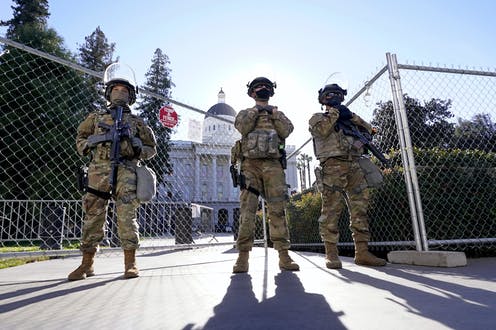
U.S. President Donald Trump announced Wednesday that his administration is withdrawing National Guard troops from Chicago, Los Angeles, and Portland, while warning that federal forces could return if crime rates rise again. The decision follows months of legal challenges and criticism from local leaders who argued the deployments were unnecessary and unlawful.
In a social media post, Trump claimed crime had been “greatly reduced” due to the presence of the National Guard and described the troops as “great Patriots.” He added that federal forces would “come back, perhaps in a much different and stronger form,” should crime increase in the future. The announcement came as courts continued to question the legality of the deployments.
Local officials and Democratic leaders in the affected cities have consistently accused the Trump administration of federal overreach, saying it exaggerated isolated incidents of violence to justify sending troops. Judges overseeing lawsuits filed by cities ruled that the federal government overstepped its authority and failed to prove that National Guard deployments were necessary to protect federal property or personnel from protesters.
The legal pressure intensified when a federal appellate court ruled that hundreds of California National Guard troops must be returned to Governor Gavin Newsom’s control. In addition, the U.S. Supreme Court blocked Trump’s attempt to deploy National Guard troops in Illinois, stating that presidential authority to federalize the Guard likely applies only in “exceptional” circumstances. The court noted that the administration failed to identify a lawful basis for using the military to execute laws in the state.
Newsom’s office responded sharply to Trump’s announcement, calling it a political retreat driven by court rulings. Chicago Mayor Brandon Johnson’s office also pushed back, sharing 2025 data showing violent crime in the city fell to its lowest level in more than a decade, down 21.3% from 2024.
Trump initially began deploying troops in June amid protests over his strict immigration policies and increased deportation efforts. He also sent forces to Washington, D.C., asserting that crime was rampant, despite local statistics suggesting otherwise. Military officials have since been scaling back the deployments as ongoing litigation left their status uncertain, marking another chapter in the debate over federal authority, public safety, and the role of the National Guard in U.S. cities.







