


 Guterres Urges Stronger Global AI Safeguards Ahead of UN Assembly
  CNN, MS NOW and Politico Sue Trump Over White House Media Ban
  OpenAI Urges US-Led Global Standards for Frontier AI
  Pentagon Restarts Testosterone Testing for US Troops
  Qualcomm Gains on $60B Amazon AI Chip Deal
  Meta Partners With Shopify to Bring Shop Pay Checkout to Muse AI
  Apple Pay Set for India Launch With Axis Bank
  Databricks to Invest $350 Million in Singapore AI Expansion
  SK Hynix, Intel Discuss U.S. Memory Chip Production Deal
  Trump Plans Military Complex Inside Washington Triumphal Arch
  US Resumes Immigrant Visa Processing for Hungary, Poland
  SEC Seeks ISS Client Voting Records in Proxy Adviser Probe
  Prysmian, Rio Tinto Supply Low-Carbon Cables for Amazon Ohio Data Center
  Canada Unveils Bill to Fast-Track Major Resource Projects
  Trump Bans CNN, MS NOW and Politico From White House
  Petrobras Joins Brazil Diesel Subsidy Program
  Synthetic data could ease people’s concerns about privacy breaches. But who gets to create it?


 Add as a preferred source on Google
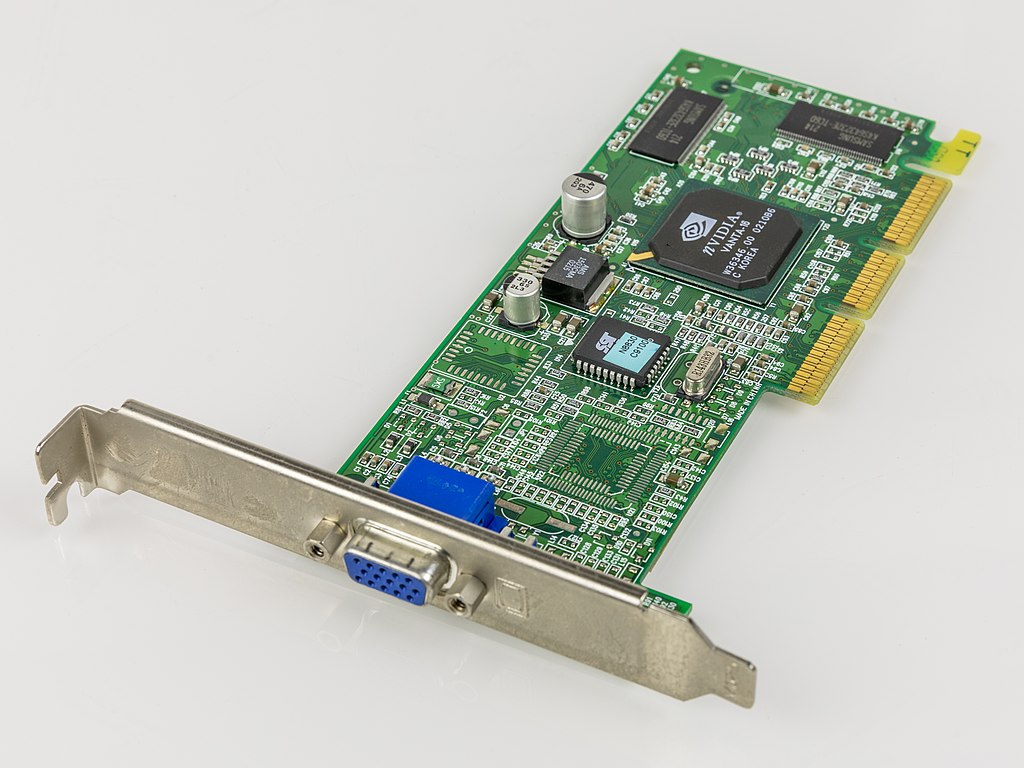
The U.S. government is prepared to allow China’s ByteDance to purchase Nvidia’s advanced H200 AI chips, but negotiations remain stalled as Nvidia has not agreed to the proposed conditions governing their use. According to sources familiar with the matter, the Trump administration signaled about two weeks ago that it would approve the export license, yet Nvidia has raised concerns over the current Know-Your-Customer (KYC) requirements and other restrictions tied to national security.
At the center of the dispute is Washington’s effort to ensure that Nvidia’s H200 AI chips do not end up supporting China’s military or unauthorized entities. The U.S. Commerce Department has required license applicants to certify that their customers use rigorous KYC procedures, prevent unauthorized remote access, and disclose any remote users linked to sanctioned countries such as Iran, Cuba, and Venezuela. A U.S. third-party lab must also test the chips before shipment, a step widely viewed as part of the mechanism allowing the U.S. government to collect a 25 percent fee tied to the deal.
Nvidia, however, says it cannot unilaterally accept or reject license terms. The company described itself as an intermediary between the U.S. government and Chinese customers, emphasizing that while KYC is important, the broader issue is whether the conditions are commercially workable. Nvidia warned that overly restrictive terms could push Chinese buyers toward foreign alternatives, weakening American competitiveness in the global AI chip market.
ByteDance, owner of TikTok and one of China’s largest AI players, has already received preliminary approval from Chinese regulators, along with Tencent, Alibaba, and AI startup DeepSeek. Still, China’s own regulatory conditions are not yet finalized, adding another layer of uncertainty.
This episode is the latest development in the ongoing U.S.-China tech war, reignited when President Donald Trump promised chip shipments in December under a revenue-sharing arrangement that also applies to AMD and Intel. Critics within the U.S. have argued the policy risks national security by enhancing China’s AI and military capabilities.
Sources suggest that despite the friction, some Nvidia H200 chips could reach China ahead of a planned Trump–Xi meeting in April, highlighting how geopolitics continues to shape the global AI semiconductor landscape.







