


 Pope Leo Calls for Peace as Vatican Seeks Better Ties With U.S.
  US House Advances $70 Billion Immigration Enforcement Budget Plan
  Vietnam Plans AI-Driven Propaganda Push With Influencers and Podcasts
  Australia’s Wealthy Donors Shift Support to One Nation Amid Conservative Party Decline
  Trump Inspects Lincoln Memorial Reflecting Pool Renovation in Washington
  Trump Says U.S. Navy Destroyers Passed Strait of Hormuz Under Iranian Fire
  UN Experts Condemn Trump’s Cuba Fuel Blockade Amid Deepening Energy Crisis
  China-Made Fireworks Power U.S. Independence Day Celebrations Amid Trade Truce
  Panama Defends Port Takeover Amid U.S.-China Tensions and Canal Dispute
  Trump Administration Dismisses Entire National Science Board, Sparking Debate Over Scientific Independence
  U.S. Fast-Tracks $8.6 Billion Arms Sales to Middle East Allies Amid Rising Tensions
  US to Withdraw 5,000 Troops from Germany Amid Growing Rift with European Allies
  US Revises UN Resolution on Iran Strait of Hormuz Attacks Amid Russia-China Opposition
  U.S.-China Beef Trade Deal Hopes Rise Ahead of Trump-Xi Summit
  Trump Invites Top CEOs Including Nvidia, Apple, Boeing to China Summit With Xi Jinping
  Judge Delays SEC Settlement With Elon Musk Over Twitter Stock Disclosure Case


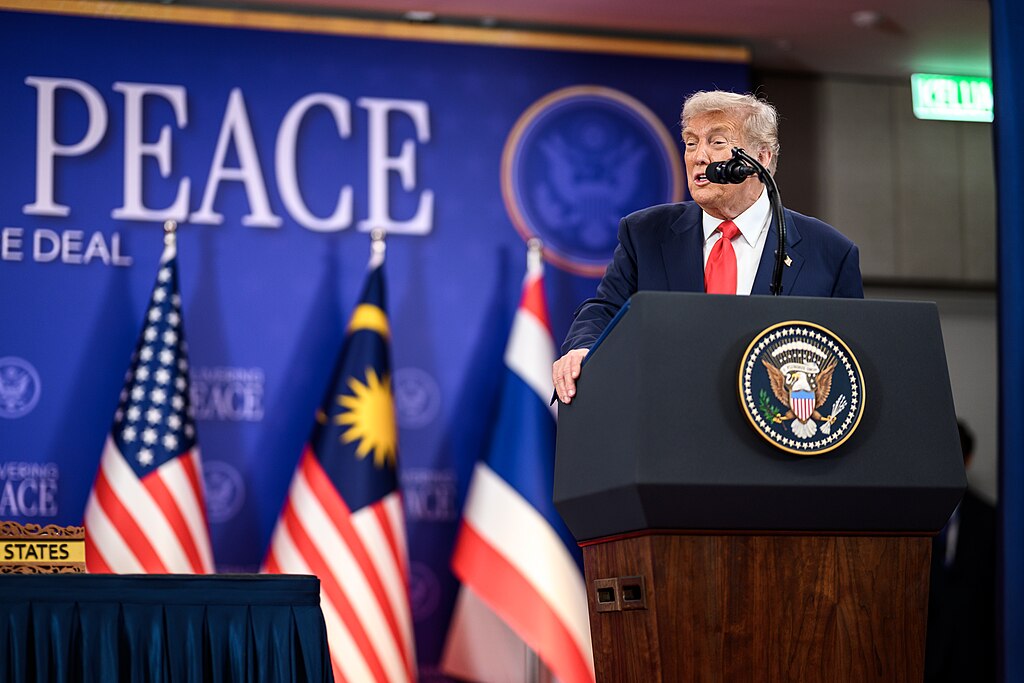
President Donald Trump has agreed to wind down the controversial immigration enforcement effort known as “Operation Metro Surge” in Minnesota, marking a rare policy reversal amid mounting protests and bipartisan criticism. The announcement was made by White House border czar Tom Homan, who confirmed that many of the immigration agents deployed to the state will return to their home jurisdictions within the coming week.
Operation Metro Surge, described by Trump as the largest deportation operation in U.S. history, brought approximately 3,000 armed immigration agents to Minnesota by late January. The move was intended to accelerate migrant deportations and strengthen public safety. However, the operation sparked intense opposition from Minnesota Governor Tim Walz, Minneapolis Mayor Jacob Frey, and thousands of residents who staged large-scale protests across major cities.
Tensions escalated after two U.S. citizens, Renee Good and Alex Pretti, were fatally shot by federal immigration agents during separate incidents in Minneapolis. The deaths deepened the political crisis surrounding the deportation surge and drew scrutiny from federal judges, who reprimanded Immigration and Customs Enforcement (ICE) officials for allegedly defying court orders related to detainee releases.
Public opinion also appeared to shift. Reuters/Ipsos polling in January indicated declining support for Trump’s immigration agenda as enforcement actions expanded nationwide. Even some Republican lawmakers voiced concerns, including Senator Rand Paul, who criticized administration officials for initially labeling the two deceased Americans as “domestic terrorists,” warning that such statements undermined public trust.
Before the surge, Minnesota had about 150 immigration agents. A week ago, Homan announced that 700 agents would be withdrawn, and he has now confirmed that additional personnel will leave. State leaders remain cautious, with ongoing investigations into federal actions during the operation.
While the administration cites improved coordination with Minnesota law enforcement, local officials argue cooperation was already in place. Community advocates say the social and economic impact of the deportation surge will linger, even as the federal presence scales back.







