


 US, Iran Agree to Halt Attacks Ahead of Doha Talks on Strait of Hormuz
  Supreme Court Backs Lisa Cook, Defends Federal Reserve Independence Against Trump Firing Attempt
  Trump Signs Memorandum Backing Americans’ Right to Repair Their Own Vehicles
  Russian Attacks Kill Four in Ukraine as Zaporizhzhia and Kharkiv Come Under Fire
  Maria Corina Machado Vows Return to Venezuela After Earthquakes Despite Obstacles
  Mexico, U.S. Launch Sterile Fly Facility to Combat New World Screwworm Outbreak
  Taiwan Coast Guard Officer Finds Strength in Faith as China Increases Pressure in Taiwan Strait
  Trump Announces September Overhaul of Washington’s East Potomac Golf Links
  Javier Milei Cabinet Chief Manuel Adorni Resigns Amid Spending Scandal Investigation
  Iran Skips U.S. Technical Talks Over Unmet MoU Conditions and Frozen Funds Dispute
  Canada Grants C$7 Million to Greenland Molybdenum Mine to Strengthen Critical Minerals Supply
  Serbia President Aleksandar Vucic to Resign, Calls Early Elections After Months of Protests
  Trump Urges Gasoline Retailers to Cut Prices to $2.50 Per Gallon, Warns of Legal Action
  US Strikes Iran Again After Strait of Hormuz Tanker Attack Escalates Ceasefire Tensions
  Russia Intensifies Assault on Kostiantynivka as Ukraine’s Donetsk Defense Faces Mounting Pressure
  Russian Attacks on Dnipro, Zaporizhzhia, and Kharkiv Kill 10 as Ukraine Vows Response


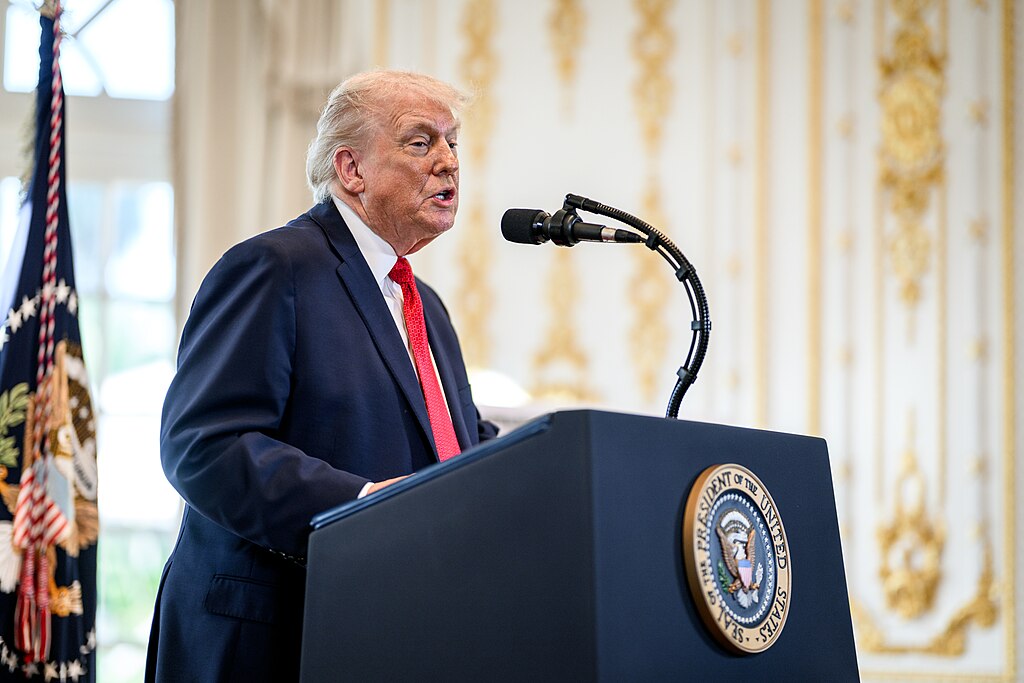
U.S. President Donald Trump has signaled that his administration is reviewing a potential reduction of American troops stationed in Germany, a move that could reshape U.S. military presence in Europe and impact NATO dynamics. In a recent statement on Truth Social, Trump confirmed that the United States is “studying and reviewing” the possibility, with a decision expected soon.
The U.S. currently maintains more than 68,000 active-duty military personnel across Europe, according to the Defense Manpower Data Center. Germany hosts the largest share, with approximately 36,400 troops. While significant, this figure is far lower than the roughly 250,000 U.S. troops stationed in Germany during the Cold War era in 1985.
Trump’s remarks come amid renewed tensions with European allies, particularly Germany. He has criticized Berlin and other NATO members for not contributing naval support in securing the Strait of Hormuz and has repeatedly urged European nations to increase defense spending. Although NATO allies recently agreed to boost defense budgets to 5% of GDP, disagreements persist, especially following Trump’s unilateral military actions involving Iran.
The situation has also been complicated by a public exchange between Trump and German Chancellor Friedrich Merz over the ongoing Iran conflict. While Trump dismissed Merz’s comments as uninformed, the German leader later emphasized that bilateral relations remain stable despite disagreements.
At the same time, Germany is stepping up its military ambitions. A newly released defense strategy outlines Berlin’s goal to become Europe’s largest conventional military force, a move praised by U.S. defense officials. Analysts note that the U.S. military presence in Germany, including key bases like Ramstein, plays a vital role in global operations and is not solely for European defense.
Despite political friction, military cooperation between the U.S. and Germany remains strong, with officials on both sides emphasizing continued partnership within NATO.







