


 CDC Monitors U.S. Travelers After Hantavirus Outbreak on Luxury Cruise Ship
  Trump Signals Possible U.S.-Iran Peace Deal as Markets Rally on Hopes of War Ending
  Russian LNG Shadow Fleet Expands Amid Arctic LNG 2 Sanctions
  Judge Delays SEC Settlement With Elon Musk Over Twitter Stock Disclosure Case
  Mexico President Claudia Sheinbaum Reconsiders Early School Closure Plan Ahead of 2026 World Cup
  China Export Growth Surges in April as Global Buyers Rush to Secure Supplies
  Dominican Republic Halts GoldQuest Mining Project Amid Environmental Protests
  Medicare to Cover GLP-1 Weight-Loss and Diabetes Drugs Starting July 1
  Australia Launches Public Hearings on Bondi Beach Shooting and Rising Antisemitism
  Japan Tech Stocks Surge as AI Optimism Lifts SoftBank, Chipmakers
  US Sanctions Target Iran’s Shadow Banking Network and Terror Financing
  Trump Reportedly Approves Plan to Remove FDA Commissioner Marty Makary Amid Growing Controversies
  Trump Administration Dismisses Entire National Science Board, Raising Concerns Over Scientific Independence
  European Stocks Edge Higher as Iran-U.S. Peace Talks Boost Market Sentiment
  FEMA Reinstates Employees After Dissent Letter, Signaling Shift in Workforce Stability
  Brazil Pension Fund Crackdown After Banco Master Collapse Raises Investment Concerns
  Google Secures Pentagon AI Deal for Classified Projects


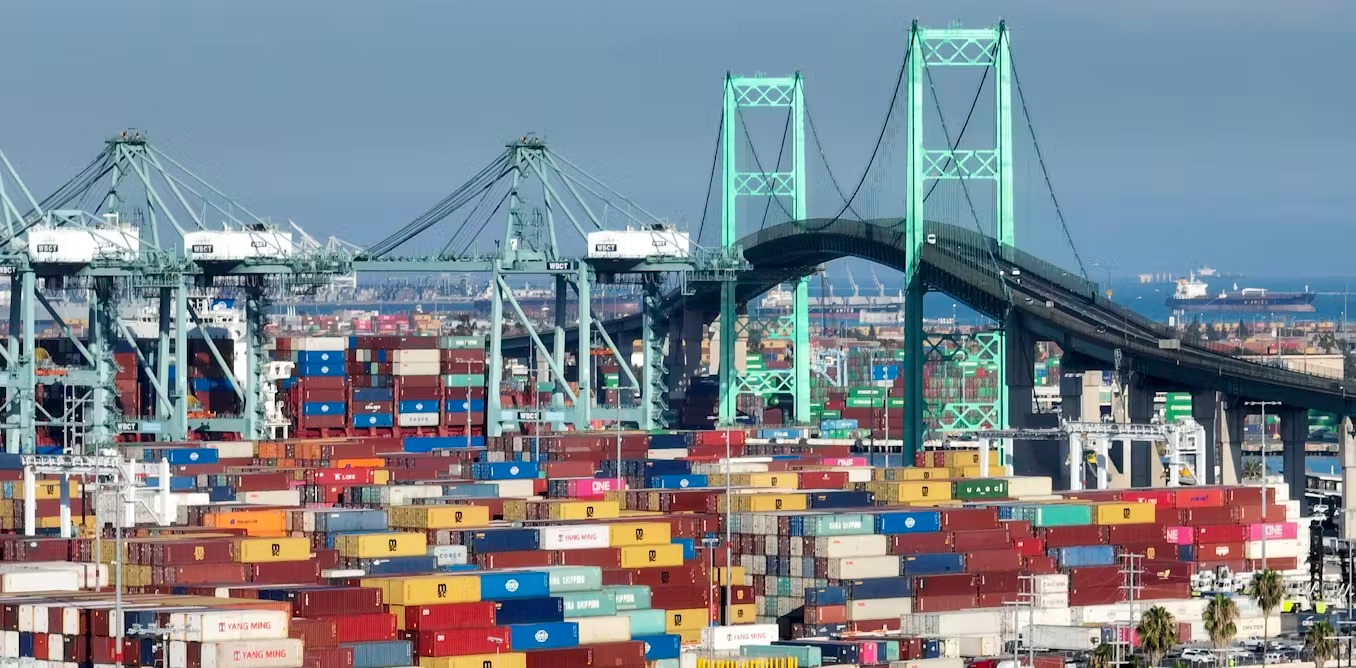
U.S. President Donald Trump has unveiled a new round of steep tariffs on a wide range of imported goods, sparking concerns about inflation and international trade relations. Beginning October 1, the U.S. will impose 100% tariffs on branded and patented pharmaceutical imports, 25% tariffs on heavy-duty trucks, 50% tariffs on kitchen cabinets and bathroom vanities, and 30% tariffs on upholstered furniture.
Trump argued the measures are needed to protect American industries from what he called “flooding” of foreign products. He emphasized that the new pharmaceutical tariffs will not apply to companies already building manufacturing facilities in the U.S. The administration framed the truck tariffs as essential for safeguarding domestic manufacturers like Peterbilt, Kenworth, and Freightliner, while countering growing competition from Mexico, Canada, Japan, and Europe.
Industry groups, however, are pushing back. The Pharmaceutical Research and Manufacturers of America warned that the policy could disrupt supply chains, noting that over half of U.S. medicine ingredients are already produced domestically, with the remainder coming from allies in Europe and beyond. Similarly, the U.S. Chamber of Commerce criticized the truck tariffs, pointing out that Mexico—America’s largest source of medium- and heavy-duty trucks—has deeply integrated supply chains with U.S. companies. Many of these trucks already contain 50% U.S.-made components.
Mexico, home to 14 truck and bus manufacturers, strongly opposed the move, stressing its role as the leading exporter of tractor trucks globally, with 95% of exports heading to the U.S. The Japanese Automobile Manufacturers Association also voiced opposition, highlighting that Japanese companies have already shifted much of their truck production to U.S. facilities.
Critics warn the tariffs may drive up transportation costs, undermining Trump’s pledge to fight inflation. The policies could also affect automakers like Stellantis, which builds Ram trucks in Mexico, and Volvo Group, which is investing $700 million in a new truck plant in Monterrey. With tariffs set to take effect next month, global trade tensions and inflation concerns are expected to intensify.







