


 Trump-Xi Beijing Summit to Focus on Trade, Taiwan, and Boeing Deal
  US to Withdraw 5,000 Troops from Germany Amid Growing Rift with European Allies
  Trump Expands Cuba Sanctions Targeting Key Sectors and Foreign Entities
  FEMA Reinstates Employees After Dissent Letter, Signaling Shift in Workforce Stability
  Ukraine-Russia Ceasefire Confirmed as Prisoner Swap Deal Advances
  U.S. Flags Vietnam as “Priority Foreign Country” Over Intellectual Property Concerns
  Malaysia Unveils Energy Security Plan Amid Iran Conflict and Rising Oil Costs
  U.S. Budget Airlines Seek $2.5 Billion Government Aid Amid Rising Jet Fuel Costs
  Australia Launches Public Hearings on Bondi Beach Shooting and Rising Antisemitism
  Rubio Presses Italy Over Iran Support as Tensions Test U.S.-Italy Alliance
  Trump Announces Russia-Ukraine Ceasefire for May 9-11 Amid Ongoing Peace Talks
  Judge Rules Use of Military Lawyers in Civilian Prosecutions Is Lawful
  TikTok Nears $400 Million Settlement With Trump Administration Over Child Privacy Lawsuit
  Senate Stablecoin Bill Sparks Clash Between Banks and Crypto Industry
  China-Made Fireworks Power U.S. Independence Day Celebrations Amid Trade Truce
  Lula and Trump Talks Signal New Phase in Brazil-US Relations
  Qatar Condemns Drone Strike as Iran Conflict Threatens Gulf Shipping and Global Markets


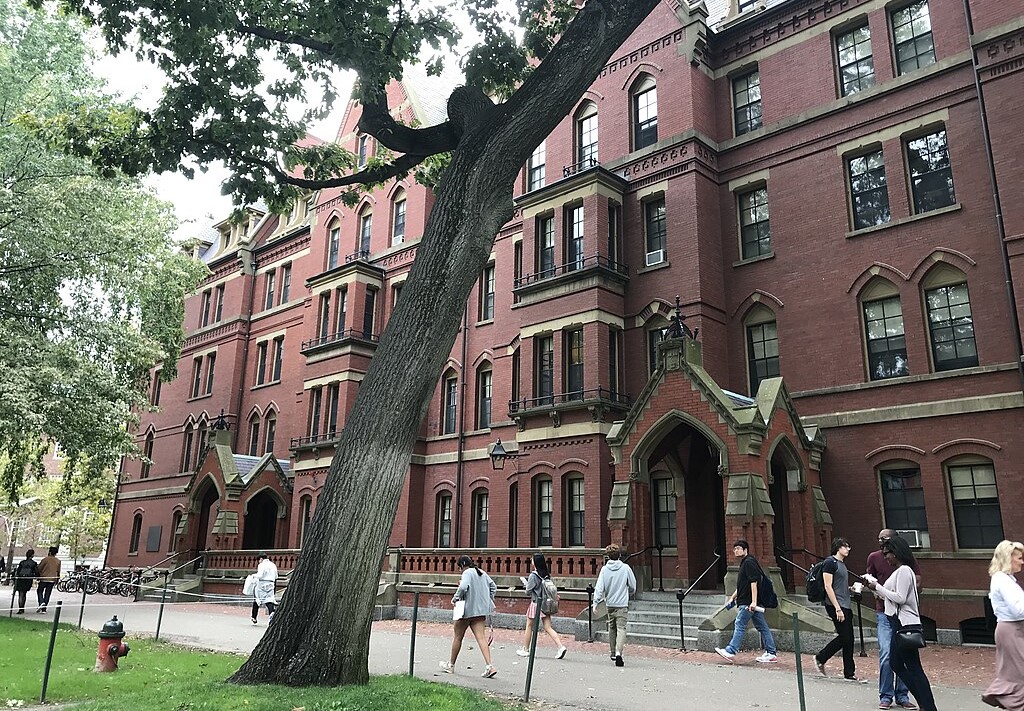
The Trump administration has intensified its standoff with Harvard University, threatening its accreditation and launching a subpoena for records related to international students. This move follows a series of actions including the termination of billions in grants and efforts to block Harvard from admitting foreign students.
Officials argue the actions aim to reform elite universities they claim have fostered "woke" ideologies and antisemitism. President Trump, while hopeful for a settlement, criticized Harvard as “totally antisemitic.” Talks between Harvard and the government have reportedly stalled.
On Wednesday, the U.S. Department of Education and the Department of Health and Human Services notified Harvard’s accreditor, the New England Commission of Higher Education, that the university may no longer meet federal antidiscrimination standards under Title VI. The agencies allege Harvard failed to protect Jewish and Israeli students.
Education Secretary Linda McMahon emphasized the expectation that the accreditor ensure Harvard's compliance with federal laws. Although the accreditor confirmed receipt of the notice, it noted it cannot be ordered to revoke accreditation and typically allows up to four years for compliance.
The Department of Homeland Security also announced administrative subpoenas targeting records of international students at Harvard, citing potential “criminality and misconduct.”
Harvard maintains that the administration's actions are politically motivated, violating its First Amendment rights and retaliating against the school’s refusal to alter curriculum and admissions. A federal judge recently blocked a Trump proclamation attempting to bar foreign students from entering the U.S. to study at Harvard. That ruling is under appeal.
Losing international student enrollment would significantly impact Harvard, where they make up 27% of its student body. Another legal battle is set for July 21, as Harvard seeks to unfreeze $2.5 billion in blocked federal grants.







