


 Israel Expands Gaza Restricted Zones, Raising Concerns for Civilians and Aid Access
  White House Withdraws Trump’s National Park Service Nominee Amid Criticism
  Dominican Republic Halts GoldQuest Mining Project Amid Environmental Protests
  U.S. Fast-Tracks $8.6 Billion Arms Sales to Middle East Allies Amid Rising Tensions
  Judge Rules Use of Military Lawyers in Civilian Prosecutions Is Lawful
  Trump Expands Cuba Sanctions Targeting Key Sectors and Foreign Entities
  Trump Administration Releases New UFO Files and Apollo Mission Records
  Lula and Trump Talks Signal New Phase in Brazil-US Relations
  US Revises UN Resolution on Iran Strait of Hormuz Attacks Amid Russia-China Opposition
  US-Iran Ceasefire Under Pressure as Fresh Strait of Hormuz Clashes Shake Oil Markets
  Israel’s Secret Iraq Base Allegedly Supported Iran Air Campaign, WSJ Reports
  UN Experts Condemn Trump’s Cuba Fuel Blockade Amid Deepening Energy Crisis
  U.S.-China Beef Trade Deal Hopes Rise Ahead of Trump-Xi Summit
  U.S. Budget Airlines Seek $2.5 Billion Government Aid Amid Rising Jet Fuel Costs
  US Reviews Mexican Consulates Amid Rising Diplomatic Tensions
  Trump Inspects Lincoln Memorial Reflecting Pool Renovation in Washington
  U.S. Sanctions Former DR Congo President Joseph Kabila Over Rebel Support


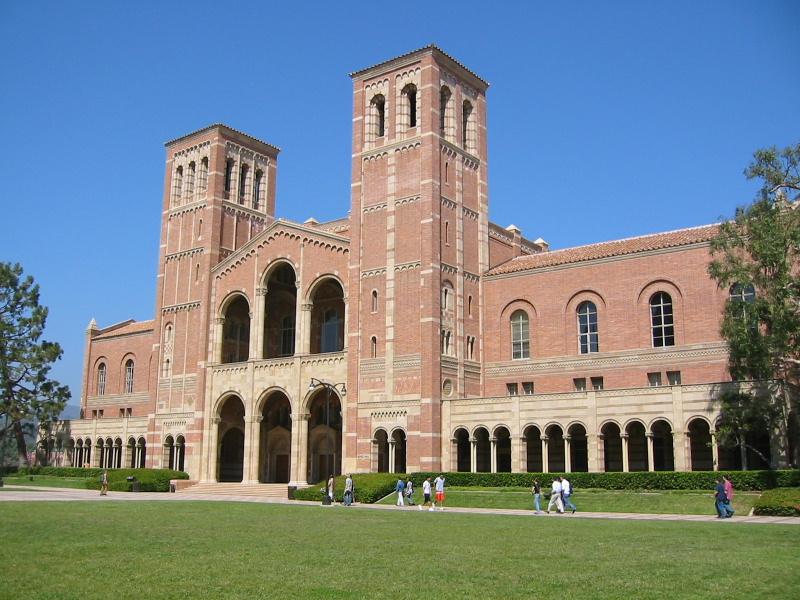
The Trump administration is pursuing a fresh approach to reshape U.S. higher education, shifting from threats to financial incentives in order to push its ideological agenda. On Wednesday, the White House sent a memo titled “A Compact for Academic Excellence in Higher Education” to nine prestigious universities, outlining a set of controversial requirements tied to federal funding eligibility.
The 10-point proposal suggests capping international undergraduate enrollment at 15%, banning race and sex considerations in hiring and admissions, and legally defining gender based on biological sex. It also calls for adoption of the Classic Learning Test as an alternative to the SAT and ACT, while urging the dismantling of university departments accused of suppressing conservative viewpoints.
The memo warns that institutions promoting values outside of the administration’s framework could lose access to federal benefits, while compliant schools would be rewarded. To ensure enforcement, participating universities would need to hire independent auditors, with results reviewed by the Justice Department.
The initiative follows the administration’s repeated clashes with universities over free speech, diversity, climate change, pro-Palestinian protests, and transgender policies. Previous threats to cut federal funds from schools such as Harvard and UCLA faced legal barriers, prompting this shift toward financial “carrots” laced with punitive undertones.
Critics argue the compact undermines academic freedom and amounts to a “loyalty oath.” Todd Wolfson, president of the American Association of University Professors, condemned the move, while the Foundation for Individual Rights and Expression warned that government favoritism in speech sets a dangerous precedent.
The White House confirmed the memo was sent to Vanderbilt, Dartmouth, the University of Pennsylvania, the University of Southern California, MIT, the University of Texas, the University of Arizona, Brown, and the University of Virginia. Responses were mixed—while some schools said they were reviewing the document, the University of Texas expressed enthusiasm for collaboration.
The push highlights the administration’s ongoing campaign to assert unprecedented influence over higher education and its values, raising concerns about long-term impacts on academic independence.







