


 Trump Invites Top CEOs Including Nvidia, Apple, Boeing to China Summit With Xi Jinping
  US to Withdraw 5,000 Troops from Germany Amid Growing Rift with European Allies
  Israel’s Secret Iraq Base Allegedly Supported Iran Air Campaign, WSJ Reports
  Australia Launches Public Hearings on Bondi Beach Shooting and Rising Antisemitism
  Iran Military Readiness Intensifies After Meeting With Mojtaba Khamenei
  FEMA Reinstates Employees After Dissent Letter, Signaling Shift in Workforce Stability
  Australia’s Wealthy Donors Shift Support to One Nation Amid Conservative Party Decline
  Germany Rejects Putin’s Proposal for Schroeder to Mediate Ukraine Peace Talks
  Trump Administration Releases New UFO Files and Apollo Mission Records
  Trump Expands Cuba Sanctions Targeting Key Sectors and Foreign Entities
  Trump Inspects Lincoln Memorial Reflecting Pool Renovation in Washington
  Australia Targets Meta, Google, and TikTok With New News Payment Tax Proposal
  Judge Rules DOGE Humanities Grant Cuts Unconstitutional
  US Revises UN Resolution on Iran Strait of Hormuz Attacks Amid Russia-China Opposition
  Trump Announces Russia-Ukraine Ceasefire for May 9-11 Amid Ongoing Peace Talks
  U.S. Flags Vietnam as “Priority Foreign Country” Over Intellectual Property Concerns
  US House Advances $70 Billion Immigration Enforcement Budget Plan


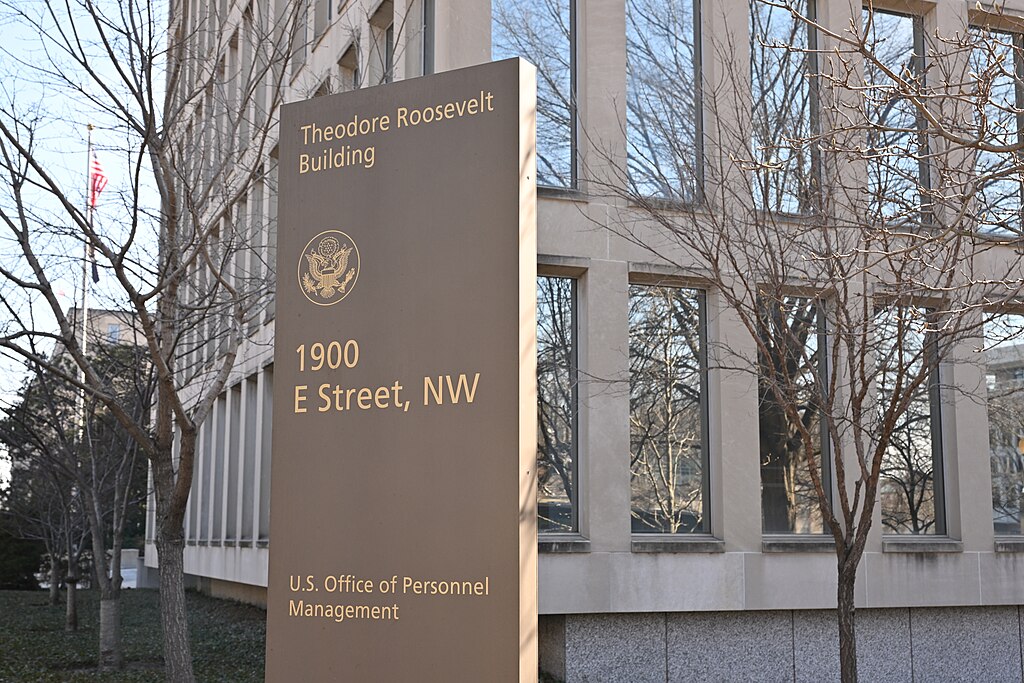
The Trump administration has announced a policy shift allowing federal employees to work from home or adjust their schedules for religious observances, including fasting and prayer. This marks a significant softening of President Donald Trump’s earlier mandate that all federal workers report to their offices five days a week.
The Office of Personnel Management (OPM), under Director Scott Kupor, urged federal agencies to take a “generous approach” when handling employee requests tied to religious holidays. Workers observing religious fasts may request telework accommodations or flexible hours, and agencies denying such requests must show “evidence of significant operational impact,” Kupor said.
The updated guidance follows Trump’s campaign promises to eliminate remote work, which he criticized as wasteful and vowed to end. After the election, he even threatened to fire employees who refused to return to office-based work. However, recent exceptions—including for military spouses—signal a gradual shift in federal telework policy.
Elon Musk, CEO of Tesla and a vocal supporter of Trump’s cost-cutting initiatives, previously predicted that revoking remote work privileges would lead to mass resignations, which he welcomed.
As of May 2024, nearly half of the federal civilian workforce—more than 1 million employees—were eligible for part-time remote work, according to a Biden-era report. About 10% worked entirely from home.
The policy update reflects a balancing act between maintaining in-person productivity and respecting religious freedom. By relaxing restrictions during religious periods, the administration appears to be adjusting its hardline stance to accommodate the diverse needs of the federal workforce, while still maintaining its broader opposition to widespread telework.
This latest move could influence future debates around federal remote work policy, particularly as religious accommodation and flexible work continue to intersect in government employment.







