


 Trump Criticizes ABC, NBC and CNN for Limiting Coverage of Election Speech
  Chalco Shares Jump as Chinalco Plans Up to $300 Million Stake Increase
  South Korea’s Coupang Fine Sparks U.S. Criticism, Raising Concerns Over Bilateral Ties
  Volvo Cars Q2 Profit Falls as Automaker Bets on EX60 EV to Drive Recovery
  Why Maruti Suzuki Is Losing Market Share in India as SUVs and Premium Features Gain Popularity
  Samsung Cuts U.S. Consumer Electronics Jobs as Headquarters Moves to Texas
  TSMC Sees Multi-Year AI Chip Demand as Arizona Expansion Reaches $265 Billion
  SpaceX Targets Thursday Launch for Starship's 13th Test Flight After Last-Minute Delay
  Belimo H1 Sales Surge as AI Data Center Cooling Drives More Than Half of Growth
  Seven & i Eyes Żabka Stake in Major European Expansion Push
  Foxconn Wins First SpaceX AI Server Contract Worth Estimated $52 Billion
  DeepSeek Eyes $74 Billion Valuation Ahead of Planned China IPO
  KKR, AEW Seek China Property Sales as Commercial Real Estate Slump Deepens
  Judge Approves Anthropic’s $1.5 Billion AI Copyright Settlement With Authors
  Bank of America Says These Overlooked AI Stocks Could Be the Next Winners
  Mikron H1 2026 Sales Fall 5.9% as Automation Weakness Weighs on Profit


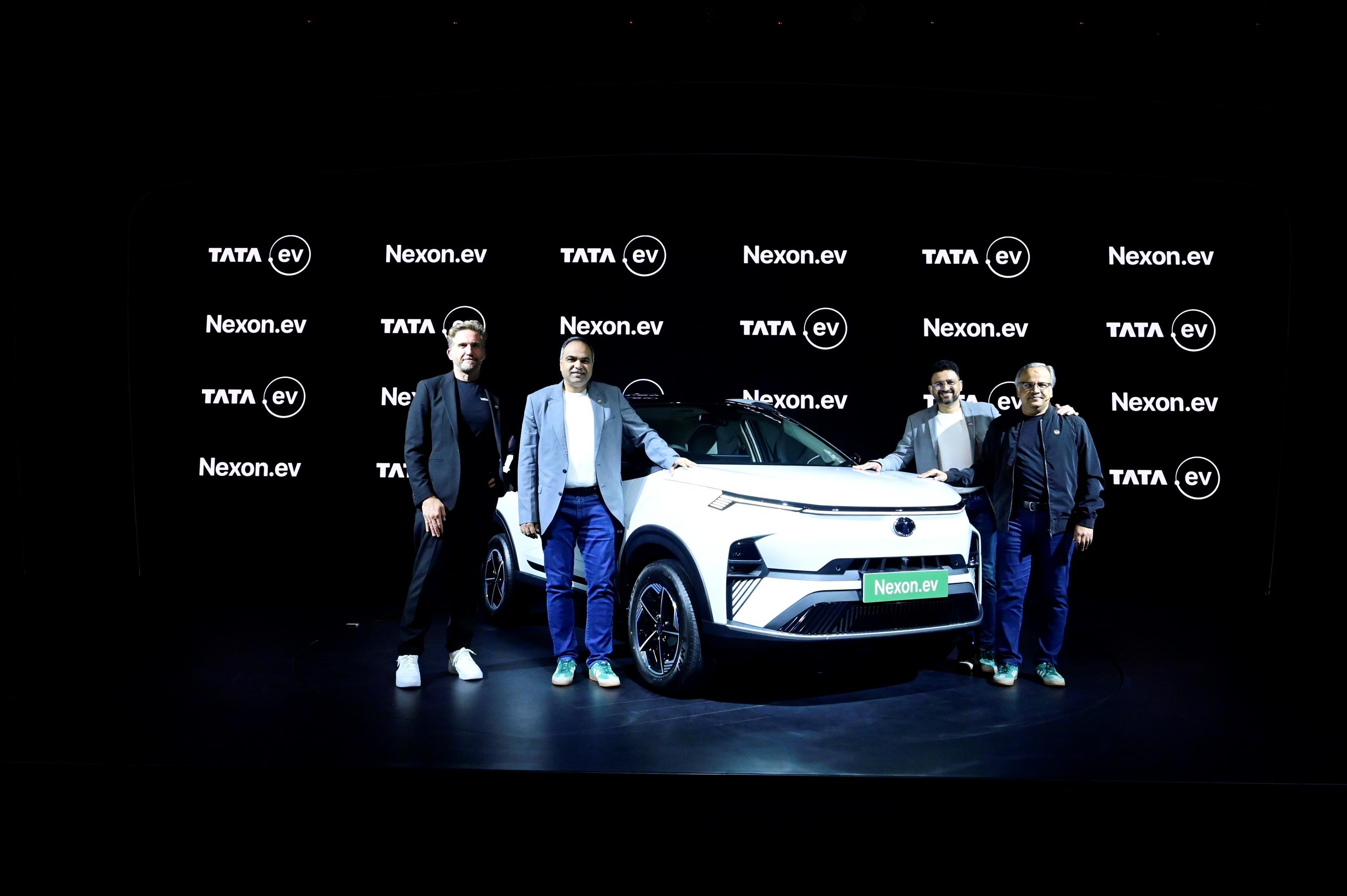
Tata Motors urges Indian authorities to resist reducing the 100% import tax on electric vehicles (EVs) to protect the domestic industry and its investors. This move comes as the government considers allowing Tesla's entry into the market.
According to Reuters, citing sources familiar with the matter, the plans are currently under review.
Tesla's Request for Lower Import Taxes for EVs Stirs Up Debate
As India strives to boost domestic manufacturing and encourage EV adoption, Tesla has proposed setting up a factory in the country, Business News pointed out. However, the company is calling for lower import taxes on electric cars.
This proposal is part of India's new policy to potentially reduce the import tax on EVs to at least 15% for companies committed to local manufacturing. Such a move could enable Tesla to establish its factory in India and produce its proposed $24,000 car while importing its higher-priced models with lower taxes.
Tata's Stand Against the Proposed Tax Changes
Tata, one of India's leading carmakers, has vehemently opposed the plan during meetings with Prime Minister Narendra Modi's office and other relevant departments. The company argues that its investors made decisions based on the assumption that the existing tax regime would remain unchanged in favor of domestic players.
Tata contends that more government support is needed in the early stages of the EV industry's growth to ensure the success and sustainability of local players.
Launched in 2019, Tata's EV business has received significant traction. Private equity firm TPG and Abu Dhabi state holding company ADQ have invested $1 billion in Tata's EV business, valuing it at approximately $9 billion. However, there are concerns that lower fees for foreign players could risk future fundraising efforts.
The EV Market in India and Tesla's Entrance
Although India's EV market is relatively tiny, Tata remains a dominant player, with 74% of the 72,000 electric cars sold this year manufactured by the company. With challenges in the increasingly competitive US market, Tesla has set its sights on India's automotive market, one of the largest worldwide, with over 3 million cars sold annually.
While the EV market share in India is still low, the Modi government actively encourages using clean vehicles, and the sector is experiencing rapid growth.
The domestic car industry in India has previously rallied against Tesla's attempts to reduce taxes. Tata Motors' executive expressed concerns that such a move would contradict the government's Make-in-India initiative. The industry successfully prevented the tax reduction proposed by Tesla in late 2021.
Photo: Tata Motors Pressroom







