


 Levi Strauss Raises 2026 Outlook After Q2 Earnings Beat, Shares Drop Despite Strong Results
  AstraZeneca Shares Sink After Wainua Trial Misses Key Heart Disease Goal
  Morgan Stanley Names Marks & Spencer Top European Retail Pick, Sees Strong Upside
  SK Hynix Prices Record U.S. ADR Offering at $149 After $200 Billion Investor Demand
  Nippon Paint Reportedly Offers Up to €7.5 Billion for Akzo Nobel Decorative Paints Business
  Samsung to Launch First Yongin Chip Plant by 2029 as South Korea Speeds Up Semiconductor Hub
  Stellantis Q2 Vehicle Shipments Rise 10% as North America Drives Growth
  Kitron Q2 Revenue Beats Estimates as Defense Demand Lifts Growth
  Nvidia Tightens AI Chip Sales in Asia With Stricter Customer Approval Process
  SK Hynix Soars 13% in Nasdaq Debut After Record $26.5 Billion IPO
  Samsung Chairman Lee Jae-yong Expected to Meet Nvidia CEO Jensen Huang on AI and Chip Partnership
  Paramount-Warner Bros. Discovery Merger Faces Lawsuit From 12 States
  DOJ Grand Jury Investigates UAW President Shawn Fain Ahead of Union Election
  Genesis Minerals to Acquire Vault in A$5.6 Billion Deal After Regis Withdraws
  SoftBank Corp Partners With Sierra to Expand AI Customer Support Across Japan
  TSMC Q2 Revenue Surges 36% as AI Chip Demand Powers Growth Ahead of Earnings
  Oppenheimer Sees CNH Industrial as Top 2026 Agriculture Stock Pick on Dealer Consolidation Strategy


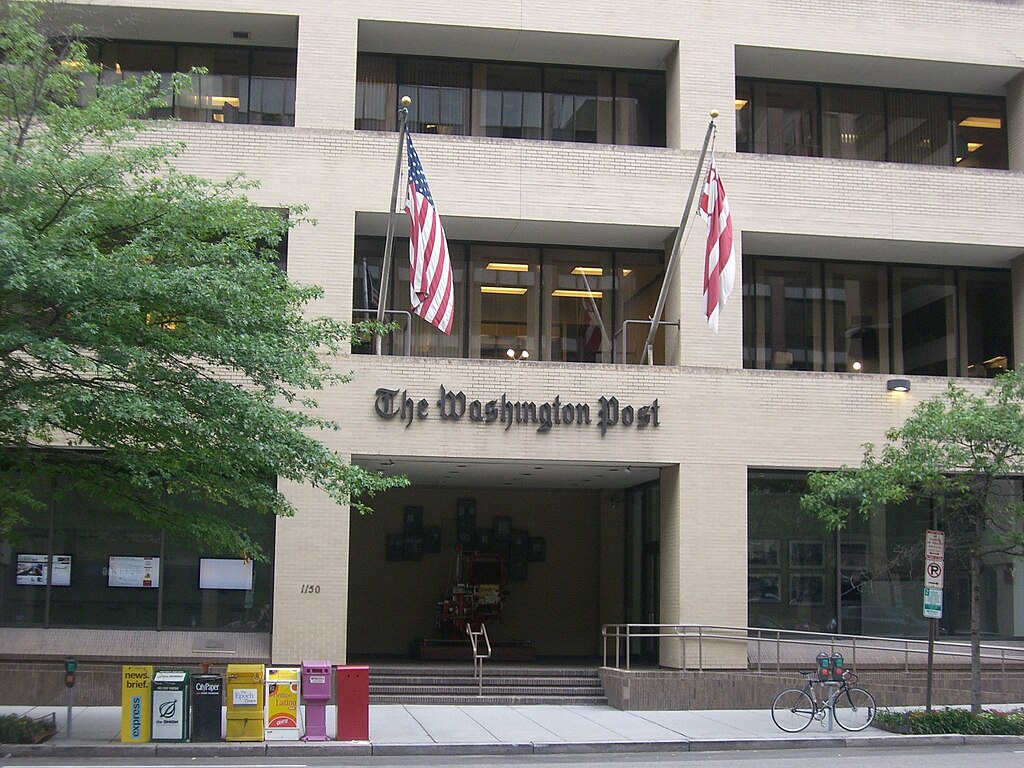
Washington Post publisher and CEO Will Lewis announced that he is stepping down from his role, according to a message shared with staff and later posted publicly by White House bureau chief Matt Viser on Saturday. The announcement comes shortly after the newspaper carried out widespread layoffs, a move that has intensified scrutiny of leadership decisions and the publication’s broader strategy amid ongoing challenges in the media industry.
Lewis, who took on the dual role of publisher and chief executive officer, informed employees of his decision in an internal message that quickly drew attention after being shared online. While the statement did not go into extensive detail about the reasons behind his departure, the timing has fueled discussion, as it followed a week marked by significant job cuts at the storied newspaper. The Washington Post, like many major news organizations, has been grappling with declining advertising revenue, shifts in digital subscriptions, and rising operational costs.
The layoffs affected multiple departments and reflected a broader effort to restructure the organization and stabilize finances. For many staff members, the announcement of Lewis’s exit added another layer of uncertainty during an already difficult period. Industry observers note that leadership changes following layoffs are not uncommon, especially as media companies attempt to adapt to a rapidly evolving digital landscape.
Matt Viser’s post highlighting Lewis’s message quickly spread across social media, drawing reactions from journalists, media analysts, and readers. Some expressed concern about the future direction of the Washington Post, while others viewed the leadership change as an opportunity for a reset. The paper, owned by Amazon founder Jeff Bezos, has long been regarded as one of the most influential newspapers in the United States, particularly for its political coverage and investigative journalism.
As the Washington Post moves forward, attention will turn to who will replace Lewis and how new leadership will address ongoing financial pressures while maintaining journalistic standards. For now, Lewis’s departure marks a significant moment for the newspaper, underscoring the challenges facing legacy media organizations in a competitive and changing news environment.







