


 Russia’s Deadly Kyiv Missile and Drone Attack Kills 27 as Zelensky Urges Faster Air Defense Support
  US Appeals Court Limits ICE Detention Without Bond Hearings After 90 Days
  Brazil Supreme Court Convicts Eduardo Bolsonaro Over U.S. Lobbying Efforts
  U.S. Supreme Court to Review Trump Administration Appeal on Immigrant Detention Without Bond Hearings
  Apple Challenges India Antitrust Probe, Says CCI Copied Rivals’ Claims in App Store Case
  Trump Orders DOJ Investigation Into Exxon, Chevron Over High Gas Prices
  Amy Coney Barrett Faces Conservative Backlash After Key Supreme Court Rulings Against Trump
  Air Force Investigates Officer After Capitol Protest Calling for Trump, Vance Impeachment
  Supreme Court Backs Lisa Cook, Defends Federal Reserve Independence Against Trump Firing Attempt
  Trump Threatens ABC News Lawsuit Over Lincoln Memorial Reflecting Pool Coverage
  US-Iran Doha Talks Show Limited Progress as Hormuz Shipping Remains Key Focus
  Russian Attacks Kill Six Across Ukraine as Kyiv Mourns Deadly Strike
  UN Warns of Looming Human Rights Catastrophe in Sudan’s Al-Obeid
  DOJ Orders Crackdown on Birth Tourism After Supreme Court Upholds Birthright Citizenship
  HSBC Australia Faces A$35M Penalty Over Scam Protection Failures
  State of emergency in Crimea as Ukraine focuses pressure on ‘jewel in Putin’s crown’
  Texas Man Charged After Fatal Tesla Full Self-Driving Crash in Katy


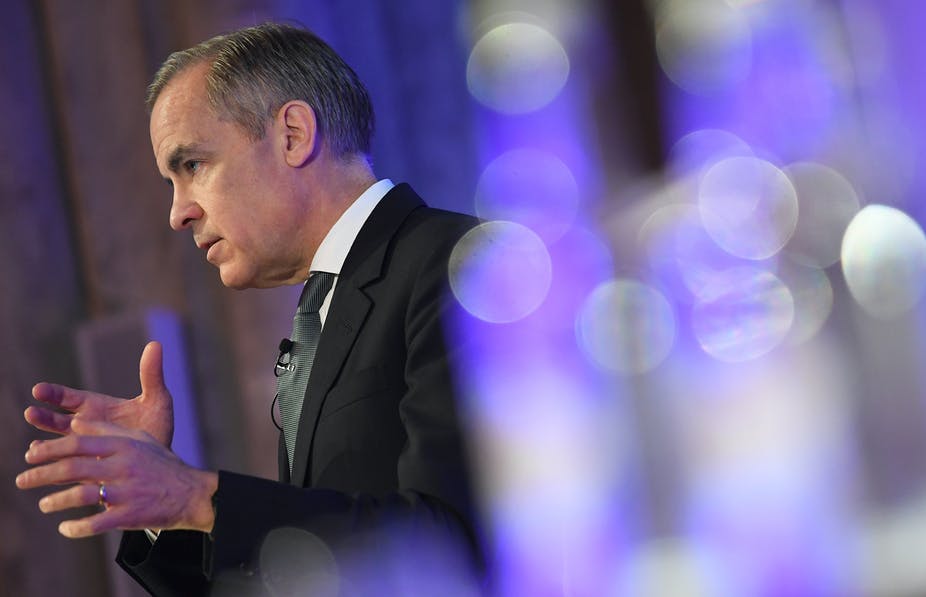
China’s top court has overturned the death sentence of Canadian national Robert Schellenberg, a major development in a long-running drug smuggling case that has strained diplomatic relations between Canada and China for years. The decision, confirmed by Schellenberg’s lawyer on Monday, is being viewed as a potential sign of improving ties between Ottawa and Beijing.
Robert Schellenberg was arrested in China in 2014 on suspected drug trafficking charges. In 2018, he was convicted and sentenced to 15 years in prison. However, following a retrial in January 2019, the sentence was dramatically escalated to death. The retrial came just one month after the arrest of Huawei executive Meng Wanzhou in Vancouver on a U.S. extradition request, fueling widespread concerns that the case had become entangled in geopolitical tensions.
According to Beijing-based lawyer Zhang Dongshuo, China’s Supreme People’s Court ruled on Friday to overturn the death sentence imposed by a lower court. The case has now been sent back to the Liaoning Provincial High People’s Court for retrial. While the ruling removes the immediate threat of execution, Zhang cautioned that the chances of Schellenberg being fully acquitted remain low due to the seriousness of the charges.
The decision comes less than a month after Canadian Prime Minister Mark Carney completed a four-day visit to China, during which he emphasized improving bilateral relations after years of friction under former prime minister Justin Trudeau. Zhang suggested the timing of the ruling is likely connected to the diplomatic progress made during Carney’s visit.
Canada’s foreign ministry acknowledged awareness of the Supreme Court’s decision and stated it would continue providing consular assistance to Schellenberg and his family. The ministry did not comment further on the implications of the ruling.
Relations between the two countries deteriorated sharply after China detained two Canadians on espionage charges shortly after Meng Wanzhou’s arrest, an episode widely criticized as “hostage diplomacy.” The two Canadians were released in 2021, the same day Meng returned to China after the United States dropped its extradition request.
Tensions were further heightened by trade disputes, including Canada’s 2024 tariffs on Chinese electric vehicles and China’s retaliatory tariffs on Canadian agricultural products. Following Carney’s recent visit, both sides agreed to significantly reduce tariffs on electric vehicles and canola, marking a notable policy reversal.
Analysts say the Schellenberg ruling and renewed economic cooperation could reshape Canada-China relations, even as Ottawa maintains close alignment with Washington amid broader Sino-U.S. rivalry.







