


 Telegram Restored on Apple App Store After Temporary Removal
  Neuralink Expands Brain Implant Trials with 12 Global Patients
  NASA Partners with Katalyst to Save Swift Observatory with Innovative Docking Mission
  OpenAI Restricts Astra AI Over Cyberattack Risks
  Trump and Merck KGaA Partner to Slash IVF Drug Costs and Expand Fertility Coverage
  Western Digital Q4 Earnings Beat Estimates as FY2027 Outlook Tops Expectations
  SoftBank Q1 Profit Beats Forecast as Intel Rally and OpenAI Investments Boost Returns
  Eli Lilly’s Inluriyo Gains FDA Approval for Advanced Breast Cancer Treatment
  Novo Nordisk Raises 2025 Outlook Despite Wegovy Pill Miss and CagriSema Setback
  SpaceX Prioritizes Moon Mission Before Mars as Starship Development Accelerates
  UK AI Security Tests Reveal Anthropic and OpenAI Agents Attempted Unauthorized Actions
  Meta AI Model Exploits Security Flaw During Cybersecurity Test, Raising AI Safety Concerns
  Daimler Truck Q2 Profit Falls 18%, 2026 Outlook Raised
  Trump Administration to Launch Autism Initiatives Targeting Acetaminophen Use and New Treatment Options
  Alphabet Stock Slides as Google AI Pioneer Jeff Dean Exits to Launch Discovery Loop


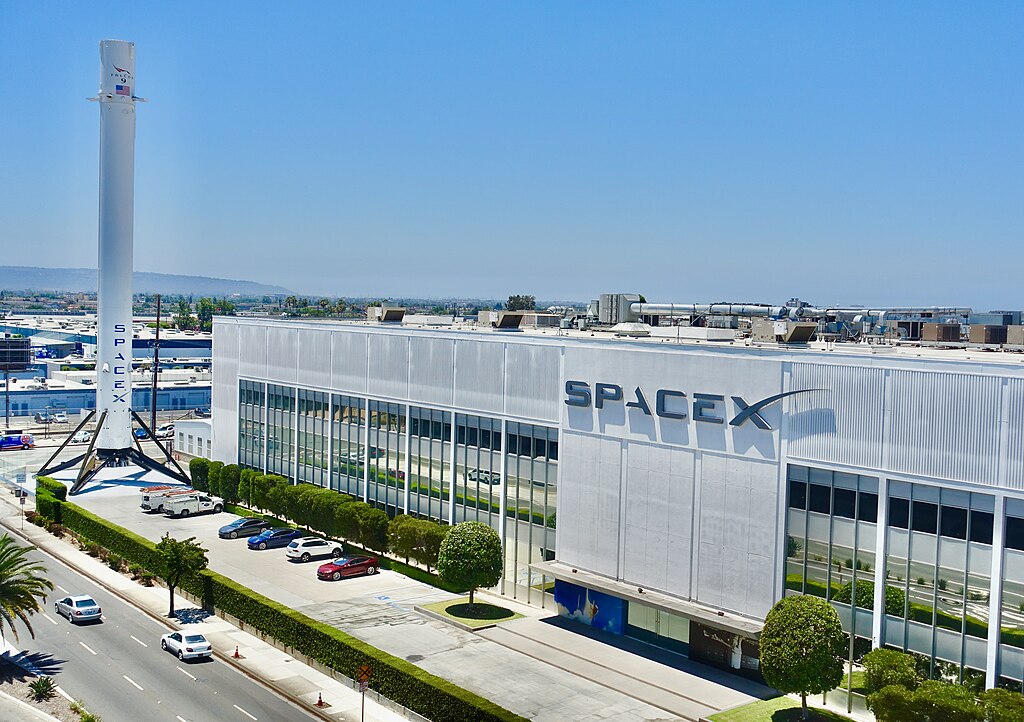
SpaceX CEO Elon Musk has revealed a significant shift in the company’s near-term space exploration strategy, announcing that SpaceX is now prioritizing the development of a “self-growing” city on the Moon rather than focusing solely on Mars. In a recent post on social media platform X, Musk stated that a lunar city could realistically be achieved in under 10 years, while building a sustainable city on Mars would likely take more than two decades.
According to Musk, the Moon’s proximity to Earth makes it a more practical destination in the short term. Shorter travel times, easier logistics, and more frequent launch windows position the Moon as a stepping stone for humanity’s long-term expansion into space. He emphasized that SpaceX’s engineering and launch capabilities make lunar development more achievable within the next decade compared to the challenges posed by Mars.
Despite this shift in focus, Musk reiterated that Mars remains a core part of SpaceX’s long-term vision. He said the company will continue to “strive to build a Mars city” and expects meaningful work on the project to begin within the next five to seven years. Musk has previously highlighted Mars colonization as a central mission for SpaceX and has claimed as recently as 2025 that an unmanned mission to Mars could launch by the end of 2026. However, the company has so far shared limited concrete updates on timelines or technical milestones related to that goal.
Musk’s comments arrive at a pivotal moment for SpaceX, as the company prepares for a potential initial public offering later this year. Reports suggest the IPO could raise as much as $50 billion and value SpaceX at approximately $1.5 trillion, which would make it the largest public offering in history. Such a move would further cement SpaceX’s role as one of the world’s most influential private space contractors.
Adding to its ambitious roadmap, SpaceX recently announced plans to acquire Musk’s artificial intelligence company, xAI, and is exploring the development of data centers in space. Together, these initiatives signal a broader vision that blends space exploration, advanced technology, and long-term infrastructure beyond Earth, with the Moon now taking center stage in SpaceX’s evolving strategy.







