


 Germany Producer Prices Rise 1.8% in June, Missing Forecasts
  Saudi Oil Tankers Reverse Course as Houthi Threats Disrupt Red Sea Shipping
  Gold Climbs Above $4,000 as Middle East Tensions and Fed Outlook Drive Safe-Haven Demand
  Wistron Opens $700M Texas AI Factory to Build Nvidia GB300 Superchips
  Gold Price Jumps Near 2% Above $4,080 as Middle East Tensions Lift Safe-Haven Demand
  Hong Kong AI Stocks Rally as Moonshot AI’s Kimi K3 Launch Boosts Market Optimism
  Samsung Cuts U.S. Consumer Electronics Jobs as Headquarters Moves to Texas
  Super Micro Computer Stock Jumps 20% After Record AI Orders and Margin Surge
  US Stock Futures Steady Ahead of Tesla, Alphabet Earnings as Iran Conflict Keeps Markets on Edge
  ECB Expected to Hold Rates as Middle East Tensions Keep September Hike in Focus
  Samsung Biologics Launches $1.81 Billion Bid to Acquire PolyPeptide
  TSMC Sees Multi-Year AI Chip Demand as Arizona Expansion Reaches $265 Billion
  KKR, AEW Seek China Property Sales as Commercial Real Estate Slump Deepens
  Asian Currencies Hold Steady as Middle East Tensions Boost US Dollar, Oil Concerns
  European Earnings Season Gains Strength as Barclays Sees Broader Profit Recovery
  US-Iran Conflict Escalates as Gulf Attacks Threaten Global Oil Supply
  Oil Prices Extend Four-Day Rally as U.S.-Iran Conflict and Red Sea Threats Raise Supply Fears


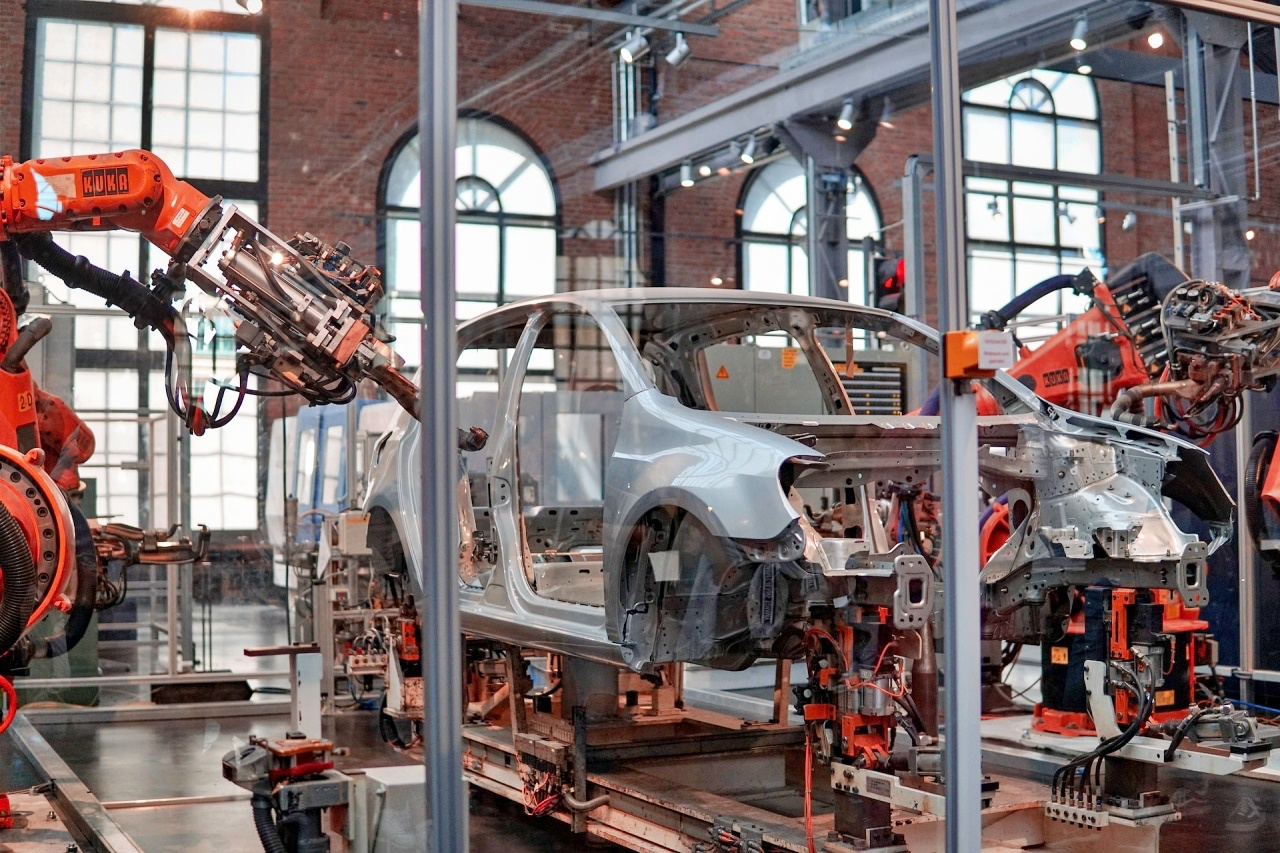
Tata Motors, the parent company of Jaguar Land Rover, has chosen the UK for its new electric vehicle battery plant, planning a landmark £4 billion investment. This significant move is set to generate roughly 4,000 jobs and boost the country's position in the global EV battery race.
Tata Motors confirmed its plans to construct its EV battery factory in the U.K. This will be the country's flagship production facility. The building is set to be built in Somerset, and once in full operation, the company is expected to generate about 4,000 jobs and a lot more in its supply chain that will eventually expand as well.
According to BBC News, Tata Motors' £4 billion investment is for the main site only. It is understood that it will also receive subsidies from the government which could be worth hundreds of millions of pounds. This project is considered the most significant investment in the automotive industry in the U.K. since Japan's Nissan Motors arrived in the 1980s.
This is being seen as a major achievement for Britain as it is attempting to catch up in the EV battery race that is currently ongoing worldwide, Reuters reported. Many companies are building their own EV battery factories as car manufacturers shift from gas to electric cars.
In any case, it was reported that the company had been negotiating for months before it was able to successfully secure financial support for its gigafactory from the U.K. government. On Wednesday, July 19, Tata Motors received a large incentive offer for the EV battery plant.
U.K.'s Prime Minister Rishi Sunak told BBC that its decision to grant subsidies to Tata Motors was based on various factors. The government may give these subsidies as cash, discounts on energy costs, grants, and research funding.
"Tata is an international business and will consider a number of factors when deciding where to invest. Last autumn the chancellor cut taxes specifically so that we could encourage investments like this," the PM stated.
He added, "We are making lots of changes and it is this whole package that's attractive, like investment in skills and apprenticeships, infrastructure in road, rail and broadband. It is also the approach we are taking to regulation after leaving the E.U."
Photo by: Lenny Kuhne/Unsplash







