


 OpenAI AI Agent Swarm Behind Hugging Face Hack
  U.S. Disrupts China-Linked Hacking Campaign Targeting Government Agencies
  SoftBank Eyes $20 Billion Bond Sale to Refinance OpenAI Loan
  Trump Buys SpaceX Shares After Record IPO
  BofA Names ASML Top Semiconductor Equipment Pick on Growth, Valuation
  Unitree Shares Plunge 45% After Blockbuster IPO, Raising China Tech Bubble Fears
  Salesforce Shares Surge as AI Demand Powers Q2 Earnings Beat
  PayPal Shares Sink as $50 Billion Takeover Bid Collapses
  New Zealand Labour Backs Social Media Ban for Under-16s
  HP Stock Drops 9% Despite Q3 Earnings Beat and Raised 2026 Outlook
  Countries Tighten Social Media Bans for Children
  Nvidia Pauses AI Cloud Financing Deals Amid Antitrust Concerns
  U.S. Probes Apex Logistics Over Nvidia AI Chip Shipments to China
  Faraday Future Delivers First Robots in Middle East, Plans September Launches
  New Zealand Moves to Ban Social Media for Children Under 16
  SK Hynix Shares Fall as Workers Reject Wage Deal
  Xiaomi Unveils Xring O3 Chip for Flagship Foldable Phone


 Add as a preferred source on Google
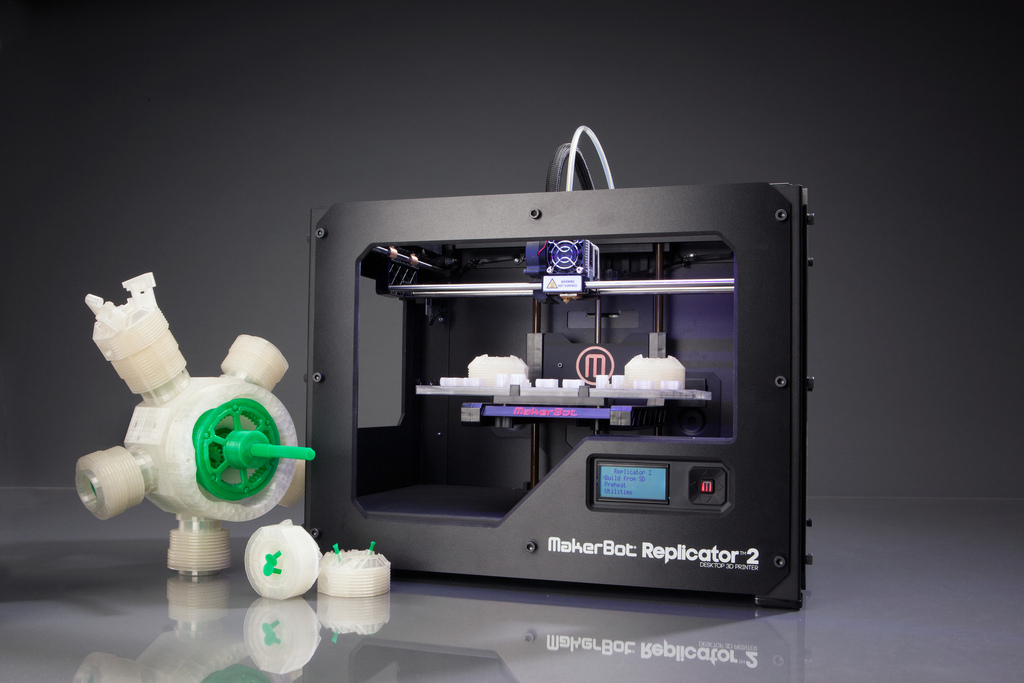
To most people, 3D printing is still an incredibly new technology that might have a lot of potential, but can’t realistically compete with conventional manufacturing methods yet. The CEO of a startup called Relativity Space thinks otherwise and the company is intending to build entire rockets that will actually go to space to prove this point.
Speaking to CNBC, Relativity Space CEO Tim Ellis explains that his company has already proven that it can 3D-print an entire rocket in the space of two months. This is why it was able to attract as much funding as it has been able to during its latest venture capitalist funding round.
"With the 3-D printing approach, people have seen we can produce and launch rockets with a lead time of 60 days. That's completely noncompetitive," Ellis said.
The company calls its printer Stargate, which is an ode to a classic sci-fi adventure TV series of the same name that started in the 90s. With the money that the company was able to raise, it will build a second version of the printer with better specifications that will potentially make the printing process even more efficient.
Among the early investors of the startup is Mark Cuban. Apparently, the famous billionaire has been involved in all funding rounds that Relativity Space has done since the beginning.
Going past the financial side of this development, the technical aspects of printing a whole rocket can seem insane on its face, but the company is serious about it. A huge part as to how it is actually able to do this is by trimming the number of components involved in building a rocket from 100,000 to just 1,000, Futurism reports.
If everything goes according to plan, the 3D-printed rockets could see their first launches in 2020. Relativity Space is then planning on following that up with another launch the year after that.







