


 Australia Inflation Accelerates to 4% After RBA Rate Hike
  US Stocks Slip as Treasury Yields Ease, AI Trade Rebounds
  ECB May Stop Rate Hikes After December, Capital Economics Says
  Oil Prices Jump Nearly 3% as Iran Holds Firm on Hormuz Conditions
  RBA Hikes Interest Rate to 4.60% as Inflation Risks Rise
  China Cuts Tariffs on U.S. Farm Goods but Excludes Soybeans
  Fed Rate Hike Threatens Housing as U.S. Growth Leans on AI, Citi Says
  Fed’s Hammack Says Bond Yield Surge Is Not Driven by Inflation Fears
  BOJ Signals Faster Rate Hikes as Inflation Risks Grow
  Nvidia China Chip Sales Report Sends Chinese Semiconductor Stocks Lower
  Asian Stocks Rise as Bond Yields Ease Ahead of U.S. Inflation Data
  Yen in Focus as BOJ, Fed Rate Hikes Reshape Currency Markets
  Trump Eyes $54 Billion South Korean Investment in Alaska LNG
  BlackRock’s Rick Rieder Favors Bonds Over Stocks as Treasury Yields Surge


 Add as a preferred source on Google
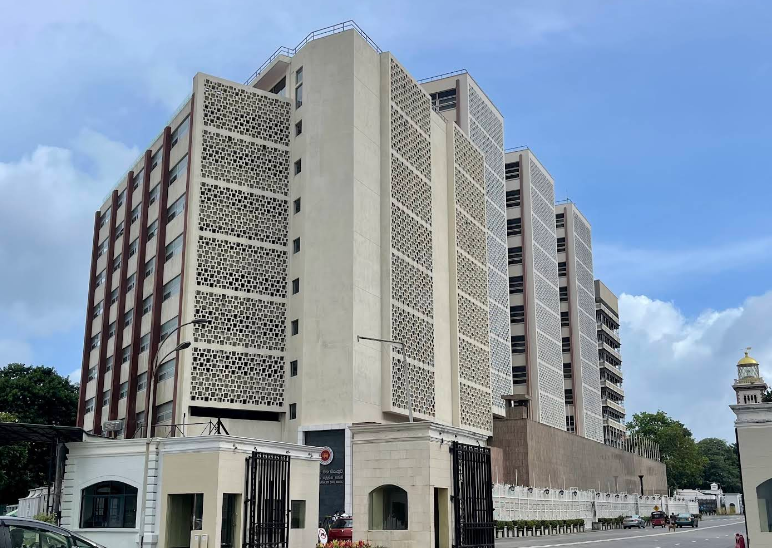
The Central Bank of Sri Lanka (CBSL) kept its benchmark overnight policy rate unchanged at 7.75% on Wednesday, signaling its intent to balance growth and stability as the country prepares for its upcoming budget and the International Monetary Fund’s fifth program review.
According to the CBSL, Sri Lanka’s economy expanded by an estimated 4.8% during the first half of 2025, while second-quarter growth came in at 4.9%, aligning with analysts’ forecasts. The central bank also expects inflation to gradually reach its 5% target by mid-2026, noting that medium-term inflation expectations remain firmly anchored.
Analysts widely anticipated the bank’s decision, given that inflation has stayed subdued, recording just 1.2% year-on-year in August. The economy is projected to grow by 4.5% in 2025, supported by steady domestic activity and external stability.
Market watchers suggest the possibility of another rate cut later this year will hinge on global factors, including the U.S. Federal Reserve’s policy shifts, energy price volatility, and Sri Lanka’s inflation trajectory in the coming months. “The decision for further easing will depend on the interplay of global and local economic conditions,” said Anjali Hewapathage, deputy head of macroeconomic research at Frontier Research. The CBSL’s final policy meeting for 2025 is scheduled for November 25.
Earlier this year, in May, the central bank surprised markets with a 25 basis point rate cut to stimulate growth. Meanwhile, President Anura Kumara Dissanayake, also serving as finance minister, is set to present the 2026 budget on November 7. The budget is expected to prioritize record capital expenditure as Sri Lanka works to sustain its recovery following the 2022 debt default.
Sri Lanka successfully restructured $22.5 billion in debt with bilateral creditors and bondholders in December 2024, marking a key milestone in its economic stabilization efforts. The IMF delegation’s upcoming review in Colombo will be crucial in ensuring continued financial support and reform momentum.







