


 S&P 500, Nasdaq Hit Record Highs as AI Stocks Rally and Strong Jobs Data Boost Confidence
  China-Made Fireworks Power U.S. Independence Day Celebrations Amid Trade Truce
  Dollar Slips as Strong U.S. Jobs Data Reduces Fed Rate Cut Expectations
  Japan’s Yen Intervention and BOJ Rate Hike Bets Support Currency Recovery
  European Stocks Edge Higher as Iran-U.S. Peace Talks Boost Market Sentiment
  Lula and Trump Talks Signal New Phase in Brazil-US Relations
  Asian Stocks Slide as Iran Tensions Escalate Despite Strong Weekly Gains
  Japan Tech Stocks Surge as AI Optimism Lifts SoftBank, Chipmakers
  Trump-Xi Meeting 2026: U.S.-China Trade Tensions Escalate Ahead of Beijing Summit
  Russian LNG Shadow Fleet Expands Amid Arctic LNG 2 Sanctions
  Gold Prices Rise as Weaker Dollar and Iran Ceasefire Hopes Boost Safe-Haven Demand
  China Export Growth Surges in April as Global Buyers Rush to Secure Supplies
  US Trade Court Blocks Trump’s 10% Global Tariffs
  US-Iran Ceasefire Under Pressure as Fresh Strait of Hormuz Clashes Shake Oil Markets
  Iran-U.S. Peace Deal Near as Oil Prices Fall and Nuclear Disputes Persist
  Oil Prices Rise Amid Strait of Hormuz Tensions and U.S.-Iran Ceasefire Uncertainty
  Dollar Weakens as Iran Peace Hopes Boost Risk Appetite and Yen Gains Strength


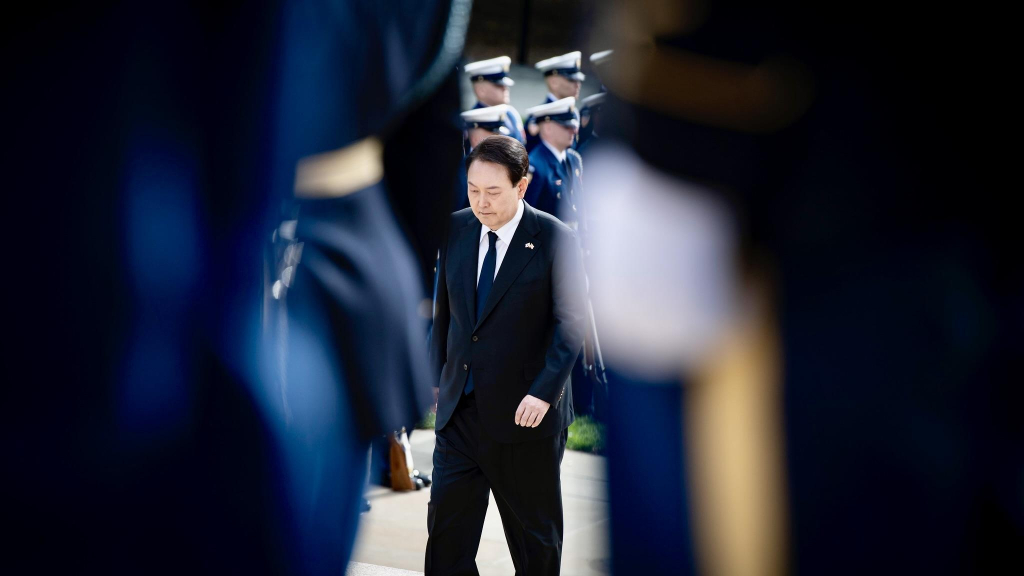
Global markets face a turbulent start to the week as South Korea’s political unrest and China’s inflation data create shockwaves across Asia. Wall Street, riding high on strong job numbers, braces for potential ripple effects from volatile geopolitical and economic landscapes.
Wall Street Rally Faces Geopolitical Hurdles
Global investor mood is generally positive as the unrelenting surge on Wall Street persists, but is moderated by an increasingly unpredictable geopolitical background, Reuters shares. On Monday, the focus will shift to China and the release of inflation statistics for November.
Potential reasons for investors to stay away from risky investments include the political unrest in France, criminal accusations against South Korean President Yoon Suk Yeol, the fall of Syrian President Bashar al-Assad, and the resulting uncertainty in an already unstable Middle East.
If that's the case, early Monday trading could see heightened demand in gold, the dollar, U.S. Treasuries, and other government assets. The swift developments in South Korea have the potential to impact the entire Asian region. In light of this, the country's central bank and ministry of finance are expected to exert maximum effort to maintain financial stability and safeguard the won.
South Korean Won Slumps to Two-Year Low
The currency's depreciation since September's end has been almost 10%, and last week it reached a two-year low. It would be its lowest point since the beginning of the global financial crisis in early 2009 if the won/dollar crosses 1,445 (a level that is quite probable to occur).
Meanwhile, excellent U.S. job data from Friday, dropping Treasury bond yields, and the expectation of additional interest rate reduction from the U.S. Federal Reserve all contributed to Wall Street reaching yet another record high.
Although volatility in global foreign exchange markets is on the rise, volatility in U.S. equities and bonds is at its lowest point in months. Wall Street appears poised to conclude an exceptional year on solid ground, provided that this holds true.
Asian Markets Brace for China's Inflation Data
Amid strong job growth and an increase in the unemployment rate last month, investors in Asia will get their first chance to respond to Friday's U.S. non-farm payrolls report on Monday.
It seems like rates traders are giving greater weight to the unemployment rate; they are now pricing in an additional 10 basis points of easing for next year and expect the Fed to drop rates by a quarter point on December 18.
Per Investing.com, the Chinese government's reports on consumer and producer price inflation will dominate Monday's Asian economic calendar. This would be the steepest monthly price decrease since March, and the rate of consumer deflation is anticipated to have escalated to -0.4% from -0.3%. We anticipate a yearly increase in inflation from 0.3% to 0.5%.
Beijing's Politburo Meeting Signals 2025 Priorities
Deflationary pressures on producer prices are projected to persist, with factory gate prices decreasing 2.8% annually in November, unchanged from October's 2.9% decline.
Also, investors are starting to plan for the future, since the top policymakers in Beijing will be outlining their goals for the next year at the forthcoming Politburo meeting. The government's budget and growth objective for 2025 will rank high on the list of priorities for investors.







