


 Trump Questions Housing Bill as He Prioritizes SAVE America Act
  China Manufacturing PMI Edges Higher in June as Exports and AI Investment Boost Growth
  Mexico, U.S. Launch Sterile Fly Facility to Combat New World Screwworm Outbreak
  Oil Prices Rise as US-Iran Tensions Threaten Strait of Hormuz Oil Shipments
  Despite its best efforts, Iran won’t be able to toll the Strait of Hormuz. Here’s why
  Canada Grants C$7 Million to Greenland Molybdenum Mine to Strengthen Critical Minerals Supply
  Maria Corina Machado’s Return to Venezuela Faces U.S. Hesitation After Deadly Earthquakes
  Asian Stocks End Strong Quarter as Dollar Surges, Yen Hits 40-Year Low Ahead of US Jobs Data
  Russia Intensifies Assault on Kostiantynivka as Ukraine’s Donetsk Defense Faces Mounting Pressure
  Gold Price Hits Annual Low as Fed Rate Hike Bets and Sticky Inflation Weigh on Bullion
  US Strikes Iran Again After Strait of Hormuz Tanker Attack Escalates Ceasefire Tensions
  China Expands Export Controls, Adds 20 Japanese Companies to Restricted List
  Trump Urges Gasoline Retailers to Cut Prices to $2.50 Per Gallon, Warns of Legal Action
  Andy Burnham Sets Out Vision to Decentralize Britain as Labour Leadership Race Begins
  Russian Attacks on Dnipro, Zaporizhzhia, and Kharkiv Kill 10 as Ukraine Vows Response
  US Stock Futures Rise as US-Iran Ceasefire Hopes Boost Market Sentiment
  Australia, Vanuatu Sign Security Pact Amid Pacific Influence Competition


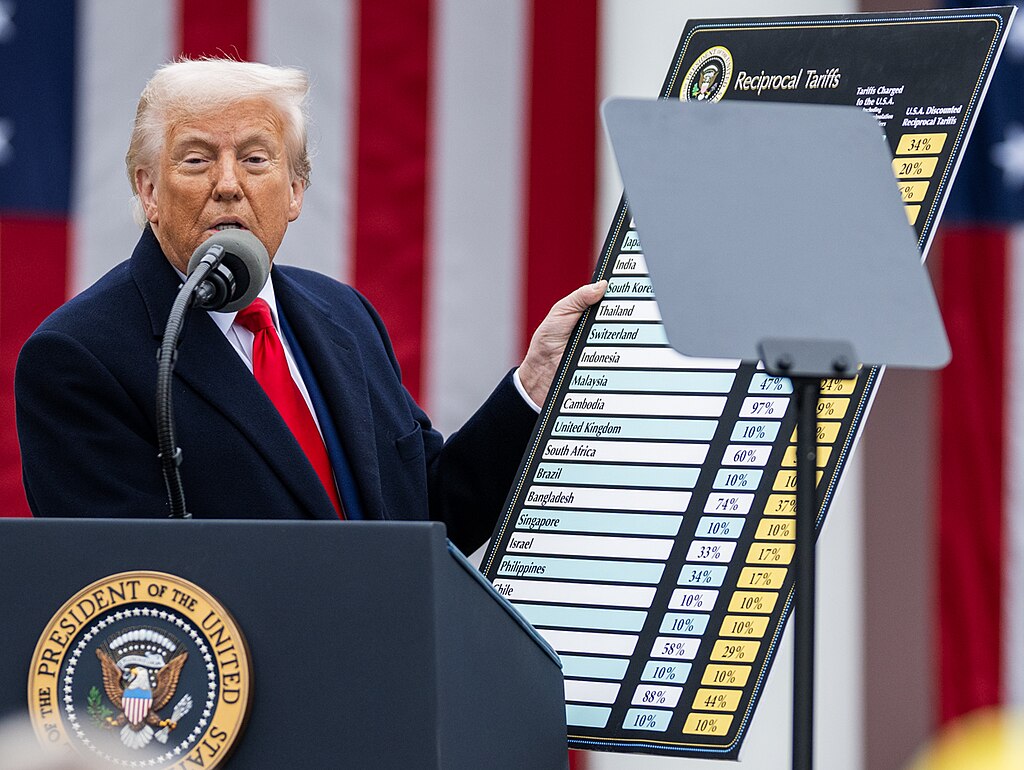
U.S. President Donald Trump is expected to meet Chinese President Xi Jinping in May 2026 during his first trip to China in eight years, as tensions between the world’s two largest economies continue to reshape global trade, technology, and energy markets.
Since Trump returned to the White House in 2025, Washington and Beijing have engaged in an intense economic rivalry marked by tariffs, sanctions, export controls, and strategic negotiations. In May 2026, China invoked its anti-sanctions law in response to U.S. blacklisting measures targeting Chinese refineries accused of purchasing Iranian oil. Beijing warned domestic firms against complying with American sanctions, signaling a tougher stance against U.S. pressure.
The dispute intensified in April after China’s State Council granted authorities broader powers to investigate foreign entities accused of disrupting supply chains or applying discriminatory trade measures. Chinese officials also explored tighter export restrictions on advanced solar panel manufacturing equipment destined for the United States. Meanwhile, Washington imposed sanctions on several Chinese refineries linked to Iranian oil imports.
Despite rising tensions, both sides maintained diplomatic engagement. Chinese Vice Premier He Lifeng, U.S. Treasury Secretary Scott Bessent, and U.S. Trade Representative Jamieson Greer held several rounds of trade talks described as “constructive.” Discussions covered tariffs, semiconductor exports, rare earth minerals, shipping restrictions, and agricultural trade.
Throughout 2025, the trade conflict escalated sharply after Trump introduced sweeping “Liberation Day” tariffs on imports from China. Beijing retaliated with countermeasures and restrictions on rare earth exports, causing tariffs on both sides to surpass 100%. Temporary truces later eased some pressure, with agreements involving soybean purchases, fentanyl enforcement cooperation, and limited technology export approvals.
China also expanded its influence over critical minerals and semiconductor supply chains, while the United States tightened controls on software and artificial intelligence chip exports. The upcoming Trump-Xi meeting is expected to play a crucial role in determining the future direction of U.S.-China relations and global economic stability in 2026.







